 English
 English

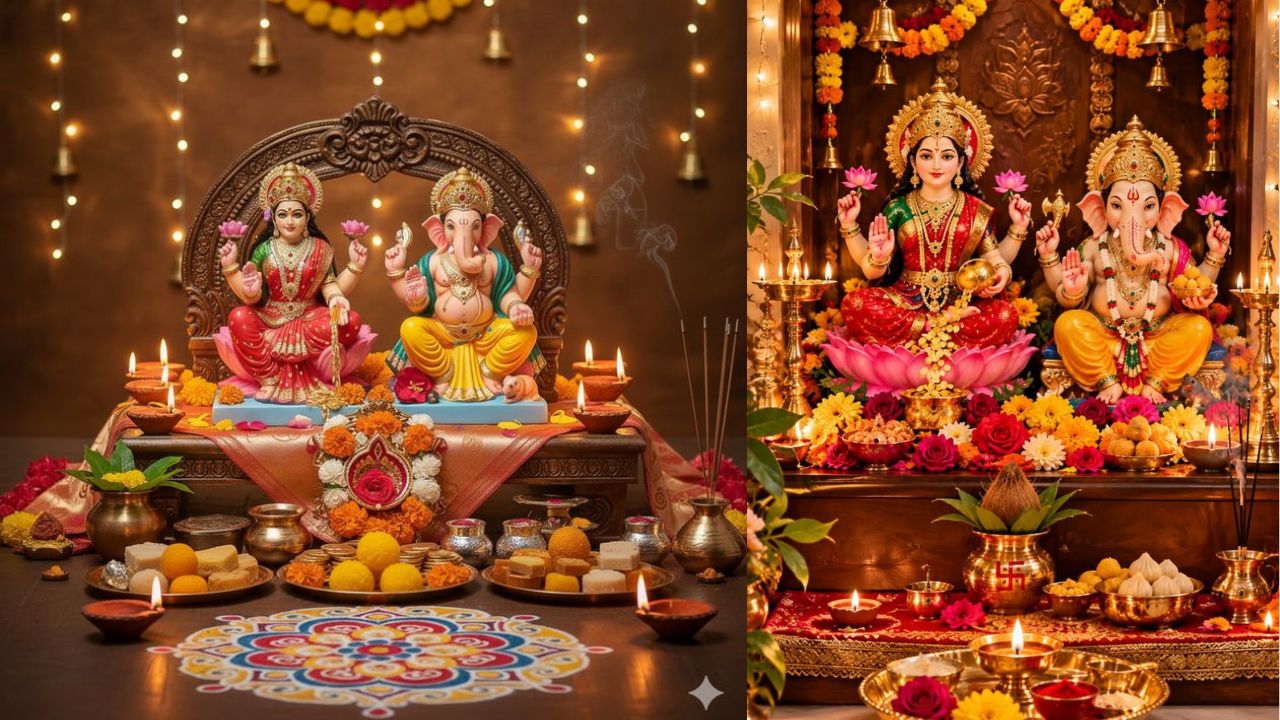
Diwali 2026: Young Indians are preserving childhood traditions through family rituals, festive celebrations and cherished memories. (img: Pinterest)
New Delhi: Diwali may evolve with changing lifestyles, demanding work schedules and modern celebrations, but the emotional connection with childhood traditions remains deeply rooted among young Indians. From distributing boxes of mithai to neighbours and lighting earthen diyas with family members to making rangoli with mothers and buying new festive outfits, a growing number of young professionals are finding meaningful ways to preserve the rituals that make Deepawali special.
As urban lifestyles transform the way people celebrate festivals, traditional customs are increasingly becoming expressions of nostalgia, family bonding and cultural identity. For four young professionals from different backgrounds, the significance of Diwali lies not merely in elaborate decorations or grand celebrations but in the little rituals that connect adulthood with cherished childhood memories.
Their experiences highlight how traditions can survive generational transitions, geographical distances and professional commitments, offering a sense of belonging and emotional continuity in an increasingly fast-paced world.
Growing up often changes the way people celebrate festivals. Childhood memories of crowded market visits, neighbourhood gatherings, exchanging sweets and spending long evenings with friends gradually give way to demanding professional schedules, online shopping and more compact celebrations.
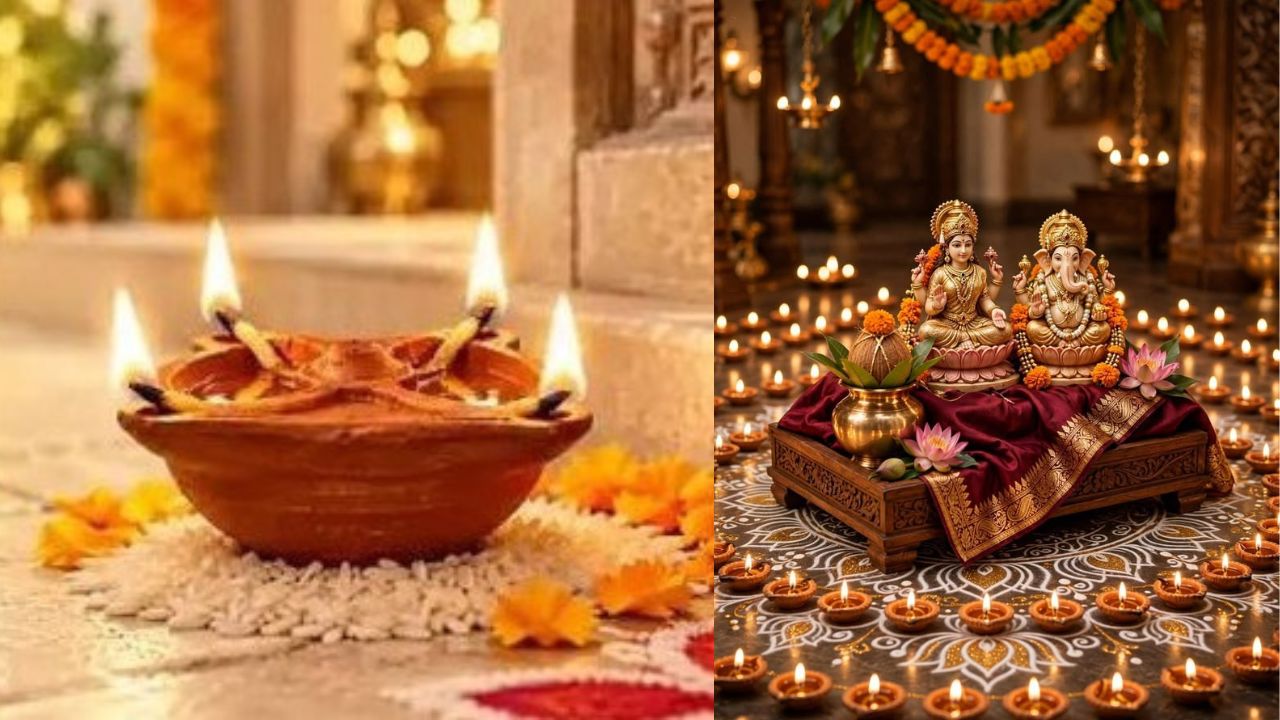
However, certain festive customs remain integral to people's lives. Wearing new clothes, lighting traditional clay lamps, decorating homes and preparing rangoli continue to evoke the warmth and excitement associated with childhood Diwali celebrations.
For many young Indians living in metropolitan cities, preserving these rituals is less about recreating the past and more about maintaining an emotional connection with family, neighbourhoods and cultural roots.
Four young professionals share the Diwali traditions they have consciously carried into adulthood and explain why seemingly ordinary festive activities continue to hold extraordinary emotional value.
For fashion and beauty creator and model Sirin Hazari, who grew up in Kolkata, Diwali was synonymous with neighbourhood camaraderie, spontaneous visits and the excitement of celebrating with friends.
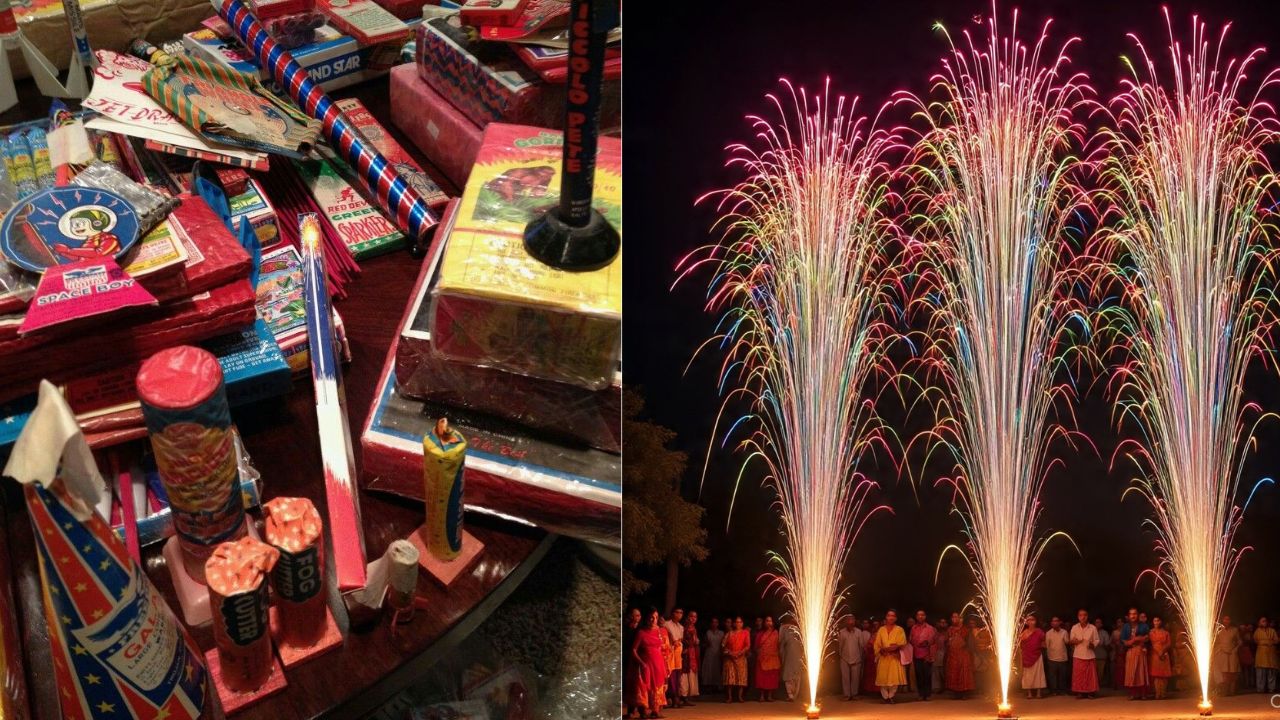
Her childhood memories revolve around an entire residential building coming together like an extended family. As evening approached, children would step out in their new clothes, visit neighbouring homes, enjoy fireworks and return with an assortment of traditional Indian sweets, including kaju katli and besan ladoos.
The excitement extended well beyond the festival day. Family shopping trips to crowded markets, bargaining with shopkeepers and navigating busy shopping lanes were an essential part of the celebrations. Even the occasional impatience of elders during lengthy shopping excursions became an inseparable part of those memories.
However, adulthood has given Hazari a deeper appreciation of the emotional significance of these seemingly routine experiences.
Last year, professional commitments kept her away from home during Diwali, forcing her to celebrate alone in a rented apartment. The experience made her realise how strongly the festival is associated with family reunions, neighbourhood interactions and the comfort of familiar surroundings.
Today, she has consciously moved away from bursting firecrackers but continues the tradition of sharing sweets with neighbours. She prepares small boxes of mithai and leaves them outside neighbouring homes, recreating the generosity and warmth she experienced during childhood.
For Hazari, returning home to celebrate Diwali with family remains a priority, regardless of professional commitments or geographical distance. Her experience highlights how festive traditions can evolve while preserving their fundamental spirit of togetherness and community bonding.
For writer and anchor Ankit Dokania, who hails from Dumka in Jharkhand, Diwali has always been about the preparations leading up to the festival as much as the celebrations themselves.
His childhood memories are closely associated with the transformation of the family home during the festive season. Cleaning, decorating, arranging diyas and deciding where the earthen lamps should be placed were among the activities that generated excitement across the household.
Participating in these preparations, even through small contributions, gave him a sense of involvement in the family's celebrations.
Among the many traditions associated with his childhood, lighting diyas with family members is the ritual he has consciously preserved into adulthood.
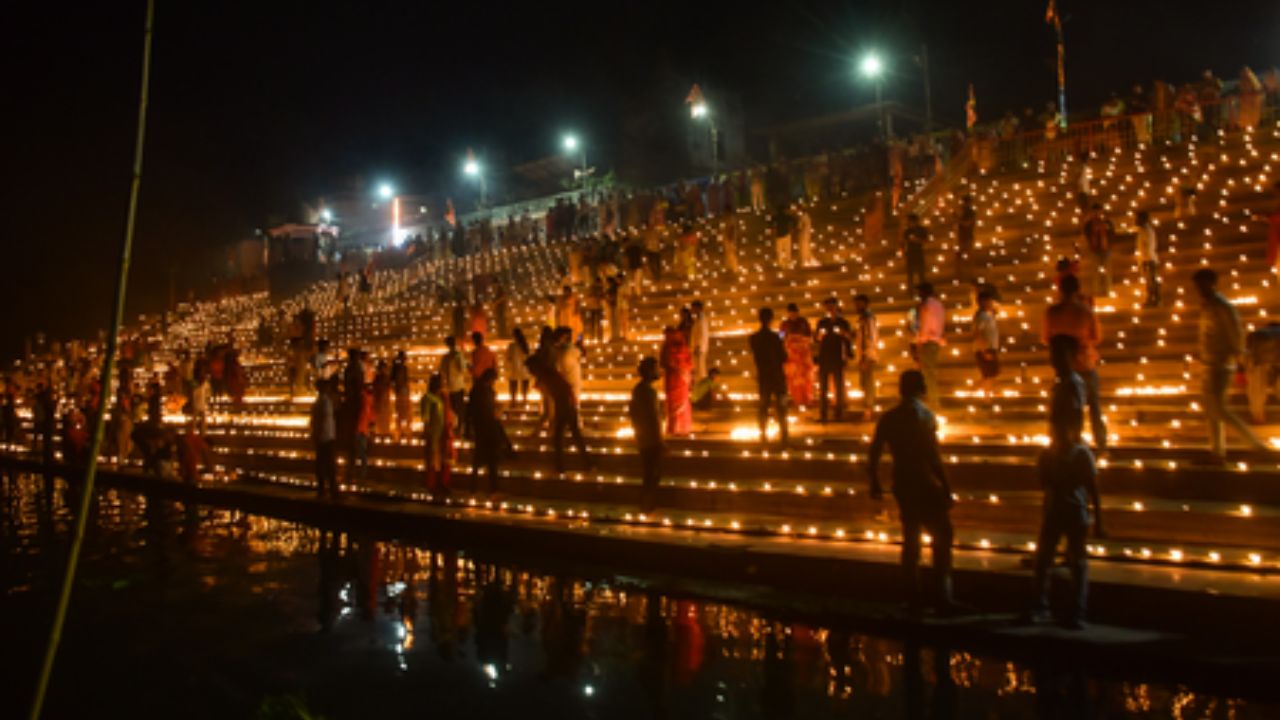
Despite changing professional responsibilities and increasingly demanding schedules, Dokania makes it a point to light the lamps himself every Diwali. The familiar ritual offers a sense of emotional grounding and reconnects him with memories of watching his childhood home gradually illuminate with rows of earthen lamps.
Growing up in a smaller town also meant that Diwali celebrations extended beyond the immediate family. Neighbours visited one another, relatives gathered together and households exchanged traditional sweets, reinforcing the strong community relationships that characterised festive life.
For Dokania, preserving these customs does not necessarily require reproducing every aspect of childhood celebrations. The continuity of simple rituals is enough to retain their emotional significance. His experience underlines how traditional practices can provide stability, familiarity and a sense of belonging even as personal circumstances and lifestyles change.
For New Delhi-based lawyer Jayantika Mehrotra, Diwali is inseparable from memories of making rangoli with her mother. What began as a simple childhood activity has gradually become one of the most meaningful festive traditions she continues to preserve.
Every Diwali morning, the mother-daughter duo would sit outside their home, select colours, discuss patterns and patiently work together to create decorative rangoli designs. Her mother would guide her through the process, helping her arrange colours and refine patterns while encouraging her creativity.
At the time, these leisurely mornings appeared to be an ordinary part of the festive routine. However, professional responsibilities and the demands of adult life have made Mehrotra increasingly conscious of the emotional value of those moments.
Today, even when her schedule does not permit elaborate decorations, she ensures that she creates at least a small rangoli every Diwali. The tradition also gives her an opportunity to remain connected with her mother. She occasionally calls her to seek guidance on particular designs or recall patterns they once created together.
For Mehrotra, the emotional significance of rangoli extends beyond the finished artwork. The ritual represents shared time, maternal affection, creativity and the simple happiness of spending unhurried moments with a loved one.
Her experience reflects how traditional Indian art forms and household customs can become powerful carriers of intergenerational memories.
For Mumbai-based fashion creator Jhanvi Bhatia, Diwali is among the most anticipated occasions of the year, combining traditional celebrations with her enthusiasm for festive fashion and personal styling.
Dressing up in traditional Indian attire, experimenting with statement jewellery and selecting special festive outfits are integral to her celebrations. One family tradition she particularly cherishes is purchasing a new outfit every Diwali. The custom was introduced by her grandfather, who insisted that family members buy something new for the occasion and wear it during the Dhanteras puja.
The practice has continued across generations and remains an eagerly awaited part of the family's festive preparations. For Bhatia, the ritual offers an opportunity to explore traditional fashion, particularly sarees, while preserving a custom that carries strong sentimental value.
Rangoli-making is another Diwali activity she enjoys. She appreciates the creativity associated with the tradition and is particularly impressed by the elaborate, large-scale designs created by younger generations.
The participation of young people in reinventing traditional rangoli patterns demonstrates how cultural practices can adapt to contemporary artistic influences without losing their original significance. For Bhatia, the beauty of Diwali lies in bringing people together through shared celebrations, family customs, traditional attire and creative expression.
The experiences of these four young professionals illustrate how everyday festive practices can carry memories and emotions that extend far beyond the occasion itself. A box of traditional sweets can represent the kindness of neighbours and the warmth of community relationships. Lighting a diya can recreate the emotional comfort of a childhood home, while making rangoli can preserve precious memories of time spent with parents.
Similarly, purchasing a new outfit every Diwali can become an enduring family tradition that connects different generations. These customs also highlight the importance of cultural continuity at a time when urbanisation, migration, professional mobility and digital lifestyles are transforming traditional celebrations.
For many young Indians, living away from their hometowns has made festivals an important opportunity to reconnect with family, friends and familiar cultural practices. Although online shopping, digital greetings and modern decorative arrangements have made celebrations more convenient, the emotional appeal of traditional rituals remains intact.
The growing appreciation for handmade decorations, earthen lamps, traditional Indian attire and neighbourhood celebrations also reflects a renewed interest in meaningful and culturally rooted festivities.
Ultimately, keeping childhood traditions alive does not require recreating every detail of the past. It is about preserving the gestures, relationships and shared experiences that make festivals meaningful. As India celebrates Diwali 2026, these personal stories serve as a reminder that the true spirit of Deepawali often resides in the smallest traditions, the people who share them and the memories that continue to illuminate lives long after the festive lights fade.