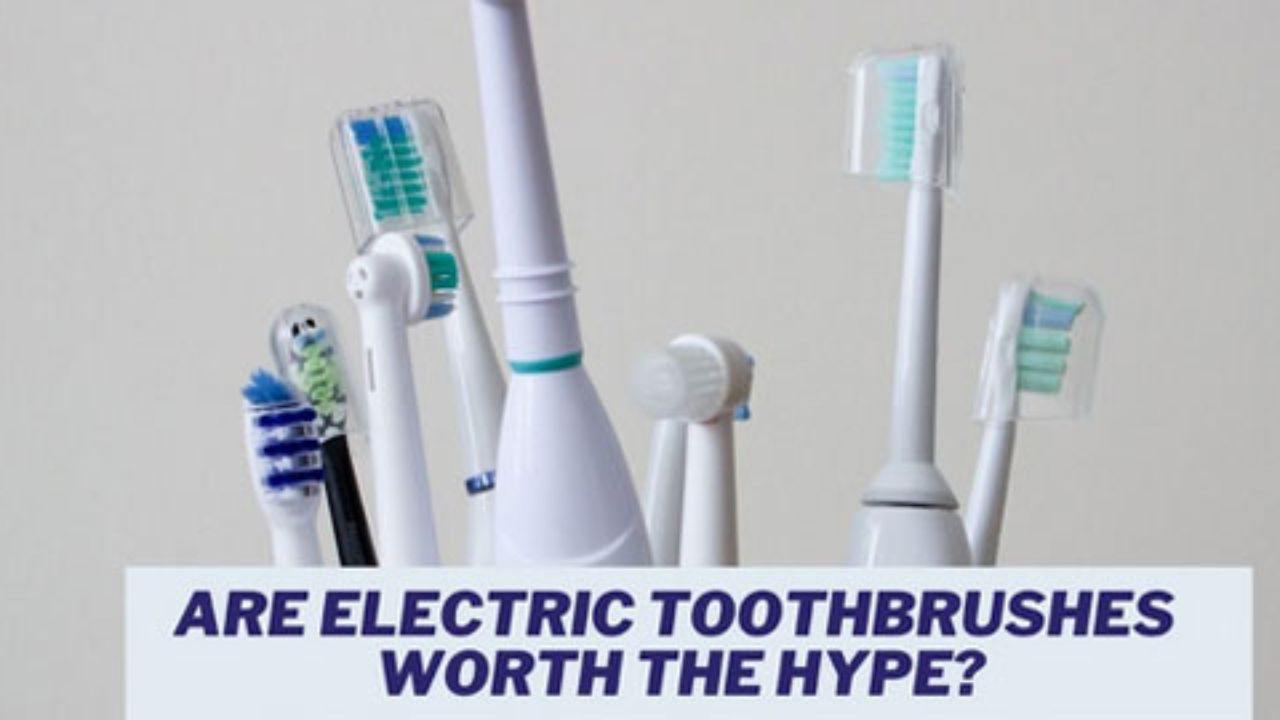
Electric toothbrushes are increasingly being promoted as a must-have upgrade for oral care
New Delhi: Electric toothbrushes are increasingly being promoted as a must-have upgrade for oral care. With sleek designs and advanced features, they promise better cleaning and healthier gums. But do they actually outperform manual toothbrushes, or are they simply a costly trend? Here’s a closer look.
Electric toothbrushes clean teeth using rapid, automated brush head movements. Most models rely on either oscillating-rotating action or sonic vibrations, producing thousands of strokes per minute. This helps break down plaque more efficiently than manual brushing, particularly in tight spaces and along the gumline.
Skip the Junk! 5 crunchy and healthy snack alternatives to potato chips
One of the key advantages of electric toothbrushes is their ability to remove plaque consistently. The steady motion ensures uniform cleaning across teeth, which can reduce the risk of cavities and improve gum health over time. Pressure sensors in many models also prevent excessive force, lowering the chances of gum damage and enamel wear.
Electric toothbrushes are often easier to use, especially for children, elderly users, or those with limited hand mobility. Built-in timers encourage brushing for the recommended two minutes, while quadrant alerts help users clean all areas of the mouth evenly. These features can improve brushing discipline and overall oral hygiene.
Despite their benefits, electric toothbrushes are more expensive than manual ones. The initial cost can be high, and replacement brush heads add recurring expenses. For some users, these costs may outweigh the advantages, especially if they already maintain good brushing habits with a manual toothbrush.
From Obesity To Rising Healthcare Costs: Why India needs an urgent war on junk food? Analysis
Manual toothbrushes can be just as effective when used correctly. Proper technique, adequate brushing time, and regular brushing are far more important than the type of toothbrush. A manual brush paired with good oral hygiene habits can deliver excellent results at a much lower cost.
Electric toothbrushes are not essential, but they can be beneficial for those seeking convenience, consistency, or help with brushing technique. They are a useful tool not a magic solution. Ultimately, maintaining good oral health depends more on routine and technique than on how high-tech your toothbrush is.

