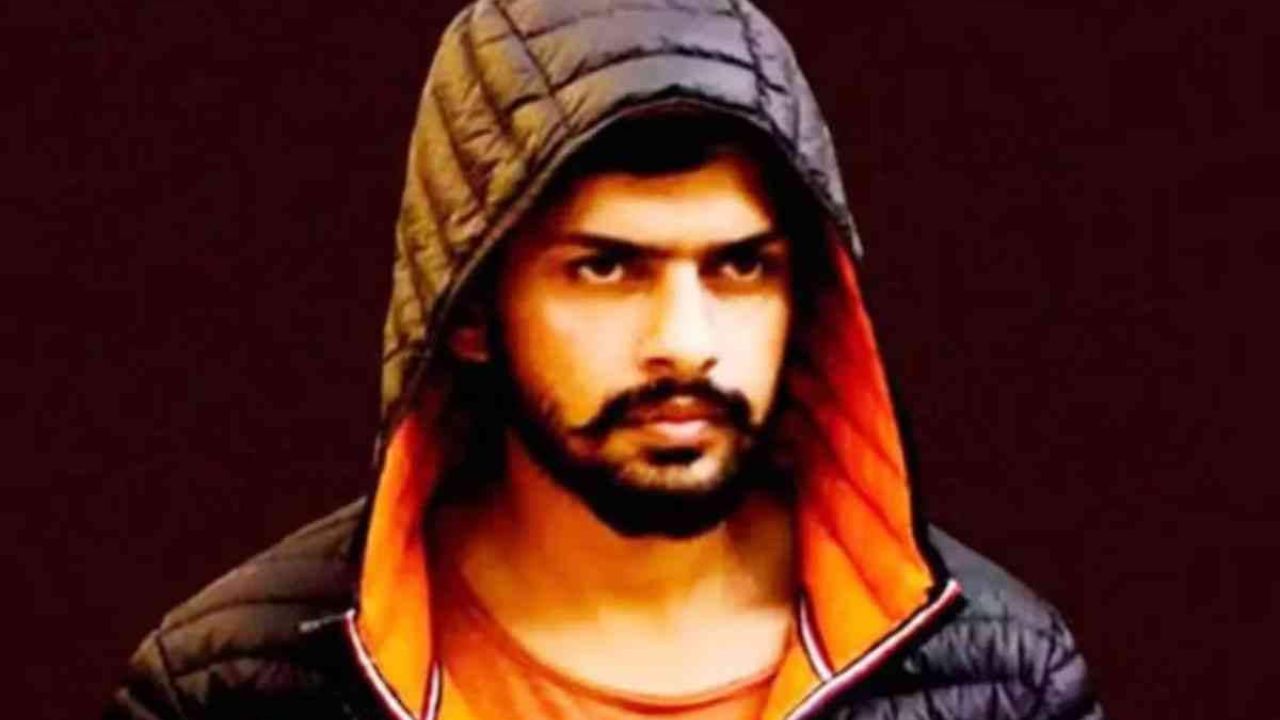
Lawrence Bishnoi
New Delhi: Bollywood is once again grappling with the shadow of the underworld. A string of threats, shootings, and sensational claims has brought the Lawrence Bishnoi gang into sharp focus, with its name now repeatedly linked to attacks and intimidation involving actors, singers, and filmmakers.
What began with threats to Salman Khan has gradually expanded, drawing in names like Rohit Shetty, Kapil Sharma, Disha Patani, B Praak, and Pawan Singh.
From gunfire outside Salman Khan’s Mumbai residence to repeated shootings at comedian Kapil Sharma’s cafe in Canada; from shots fired outside Disha Patani’s home in Bareilly to death threats issued to popular singers-these incidents underline a growing pattern of fear associated with the Bishnoi gang.
The key question remains: why has Lawrence Bishnoi positioned himself as an enemy of Bollywood?
The answer lies partly in a social media post attributed to the gang, which claimed responsibility for firing outside filmmaker Rohit Shetty’s house. The post, allegedly written in the names of Shubham Lonkar, RJ Bishnoi, and Hari Boxer, described the attack as a “warning” and openly threatened further violence.
The message claimed that repeated warnings had been ignored and described the firing as “just a trailer,” threatening more serious consequences if demands were not met. The post also referenced the murder of NCP leader Baba Siddiqui, making it clear that the intent was to send a chilling message not just to one individual, but to the entire film industry.
Investigators believe that the Bishnoi gang uses high-profile targets to amplify fear. By attacking or threatening celebrities, the gang ensures widespread attention, which then becomes a tool for extortion.
According to officials, gang operatives-many allegedly operating from abroad-demand crores of rupees from businessmen, builders, and influential figures in India. Those who refuse often face intimidation, including gunfire outside their homes.
This strategy closely mirrors the methods once used by underworld don Dawood Ibrahim. In the 1990s, Dawood’s influence over Mumbai and Bollywood was notorious.
Operating from abroad, he allegedly funded films, summoned actors overseas, and used the industry as both a financial channel and a tool of influence. The Lawrence Bishnoi gang, observers say, appears to be following a similar playbook.
Salman Khan was the first major Bollywood figure to be targeted, with tensions rooted in the blackbuck poaching case, which holds deep cultural significance for the Bishnoi community.
Over time, demands for an apology escalated into open threats. In April 2024, gunfire outside Khan’s Galaxy Apartments marked a turning point, prompting heightened security around the actor after the gang claimed responsibility.
The ripple effects soon reached others. Kapil Sharma’s alleged association with Salman Khan reportedly made him a target, with his cafe in Canada facing three shooting incidents accompanied by threats. The gang allegedly warned Sharma to distance himself from Khan.
The Bishnoi gang gained nationwide notoriety after the murder of Punjabi singer Sidhu Moosewala. Once reportedly close to Bishnoi, Moosewala was killed following disputes linked to professional disagreements. The killing cemented the gang’s fearsome reputation.
Subsequently, the list of those threatened grew longer. Shots were fired outside Disha Patani’s family home in Bareilly, with a social media account linked to Rohit Godara claiming responsibility.
Singers B Praak and Dilnoor received death threats and ransom demands, while Bhojpuri star Pawan Singh was allegedly warned not to appear on Salman Khan’s television show Bigg Boss.
Together, these incidents paint a disturbing picture: a deliberate attempt to intimidate Bollywood through fear, publicity, and violence—reviving memories of an era the industry hoped was long behind it.

