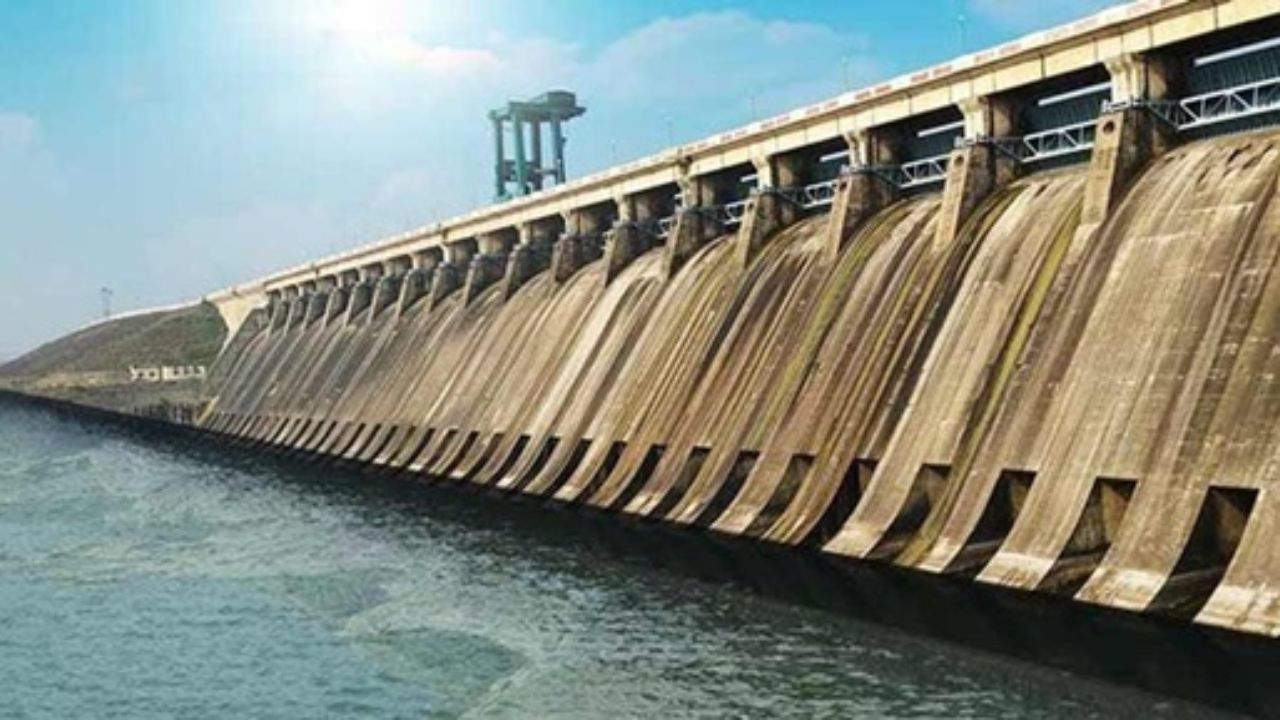
Mahanadi Dispute Explained. (Image Internet)
New Delhi: Odisha and Chhattisgarh started 11-day talks on Tuesday in Delhi. They want to resolve their Mahanadi river water dispute. The negotiations come before a key tribunal hearing on June 27. Officials call this the biggest push to end a nine-year deadlock.
Odisha is located downstream. Chhattisgarh is an upstream state within the upper catchment. Odisha claims that barrages built by Chhattisgarh deprive it of water during low-flow months. The Mahanadi Water Disputes Tribunal was established in 2018. Between 2018 and 2023, 49 sessions were held by the tribunal. The panel said negotiations look promising.
78 percent of Chhattisgarh residents live in the Mahanadi basin. The river provides the lifeblood of the state. So far, there has been no inter-state water-sharing pact between the two states.
Water disputes have always existed between states due to unequal rainfall distribution. Global warming worsens the problem. Agriculture requires large amounts of river water. Article 262 of the Constitution and the Inter-State River Water Disputes Act, 1956 regulate these disputes.
When states fail to reach agreements, the Centre creates tribunals. Disagreements over data and sluggish compliance make judicial intervention by the Supreme Court inevitable. On February 2, 2026, the Supreme Court ordered the establishment of a Pennaiyar river tribunal within a month for Tamil Nadu and Karnataka.
1) Cauvery River
Karnataka, Tamil Nadu, Kerala, Puducherry. Longest-running dispute since 1924 in India. The conflict escalated when Karnataka sought to construct a reservoir at Mekedatu. Tamil Nadu objected to this decision. In 2018, the Supreme Court gave a judgment. Cauvery Water Management Authority oversees this issue.
2) Krishna River
Maharashtra, Karnataka, Telangana, Andhra Pradesh. This is a dispute regarding water apportionment and irrigational projects. The Krishna Water Disputes Tribunal adjudicates this issue.
3) Mahadayi River
Goa, Karnataka, Maharashtra. Karnataka plans to divert river water using the Kalasa-Banduri Nala project. The central government constituted the Mahadayi Water Disputes Tribunal in 2010 to allocate the river's waters fairly. However both states expressed dissatisfaction with tribunal's allocation.
4) Ravi and Beas
Punjab, Haryana, Rajasthan. Dispute that started with the formation of these states in the 1970s. The issue revolves around the Sutlej-Yamuna Link canal. Initially, Punjab opposed sharing river water. The tribunal got a two-year extension until 2027.
These negotiations may provide a template for resolving disputes without lengthy processes in tribunals. However, global warming will deplete water resources. Consequently, future clashes will be more intense. Only cooperation can resolve the issues in states' interests. Millions of farmers wait for a solution.

