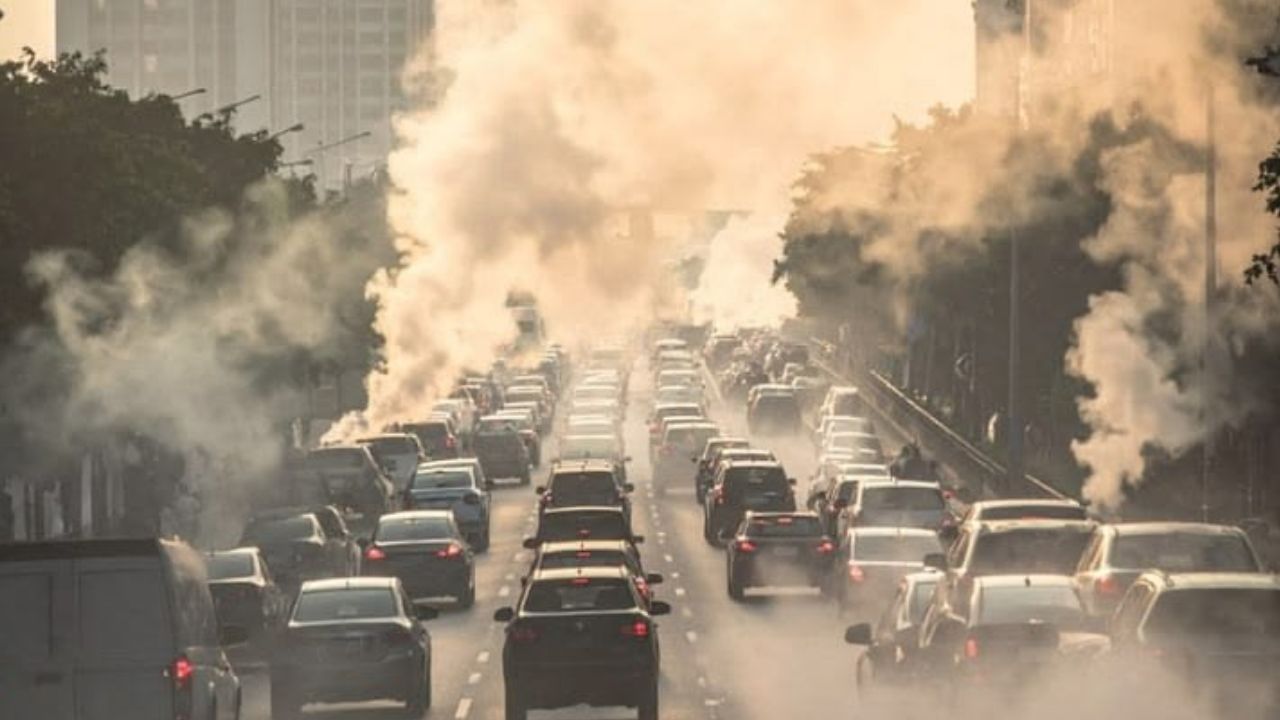
Delhi’s AQI climbs to 229 while Pithampur in Madhya Pradesh records the highest AQI in the latest air quality assessment. (Img: Pinterest)
New Delhi: Pithampur in Madhya Pradesh recorded the highest Air Quality Index (AQI) of 286 among cities reporting data on Wednesday, October 28, as air pollution remained a concern across several parts of India. According to the latest readings, 23 of the 265 cities for which data was available recorded AQI levels in the poor category. Meanwhile, Delhi’s AQI rose to 229 from 197 a day earlier.
The latest readings also showed that 23 out of 265 cities with available data across India recorded poor air quality. No city entered the ‘very poor’ or ‘severe’ categories in the reported assessment.
Pithampur in Madhya Pradesh recorded the highest AQI at 286, followed by Khora in Uttar Pradesh at 277. Several cities in the National Capital Region (NCR) also reported elevated pollution levels, highlighting the spread of deteriorating air quality beyond Delhi.
Also Read: Delhi-NCR Weather Alert: Braces for Rain and Hailstorms as IMD Issues Yellow Alert
PTI INFOGRAPHICS | Daily AQI Tracker: Pithampur records 286; 23 cities report 'Poor' air (Oct 28)
Of the 265 cities covered in the Central Pollution Control Board's (CPCB) daily bulletin on Wednesday, 137 recorded 'Good' or 'Satisfactory' Air Quality Index (AQI) levels. Pithampur, in Madhya Pradesh, topped the list of cities with the worst air quality, with an AQI of 286 in the 'Poor' category. Khora (277), in Uttar Pradesh, and Panipat (274), in Haryana, followed in the 'Poor' category. Delhi recorded an AQI of 229, also in the 'Poor' category.
The data is based on the CPCB's 4 pm bulletin and is part of PTI's daily series tracking air quality across Indian cities.
Here's a look at how cities across India fared in terms of air quality.
#PTIInfographics #AQI
— Press Trust of India (@PTI_News) October 28, 2026
Under CPCB classifications, an AQI between 201 and 300 falls in the poor category. Prolonged exposure to such conditions can cause breathing discomfort, particularly among people with respiratory illnesses and other vulnerable groups.
Authorities have continued implementing Stage I measures under the Graded Response Action Plan (GRAP) across Delhi-NCR since October 21. These steps include mechanised road cleaning, dust suppression, inspections of industrial units and vehicles, and action against open waste burning.
Officials have also flagged the rise in stubble-burning incidents in Punjab and called for improved access to crop-residue management equipment. However, the available AQI readings alone do not establish how much farm fires contributed to Delhi’s pollution on Wednesday.
Forecasts indicated that Delhi’s air quality could return to the moderate category between October 29 and 31, with rain and stronger winds potentially helping disperse pollutants. The improvement, however, will depend on prevailing weather conditions and the continued accumulation of emissions.
Also Read: Weather Forecast: Rain Alert in 12 States, Heavy Showers Likely from UP to Bihar
With pollution levels rising across multiple urban centres, monitoring air quality and enforcing existing pollution-control measures remain important as the region moves further into the winter season.

