 English
 English

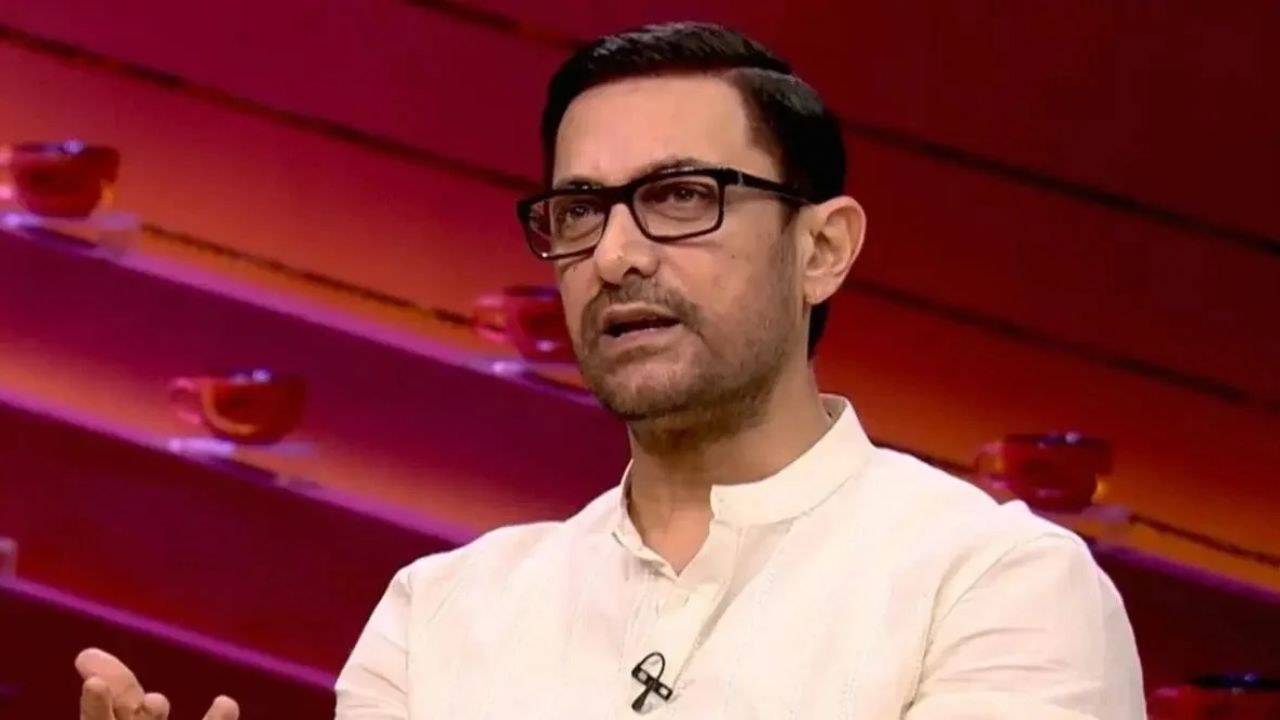
Naseeruddin Shah displays his Dimagi Naxal badge while challenging the treatment of student protesters in a strongly worded video. (Img: Pinterest)
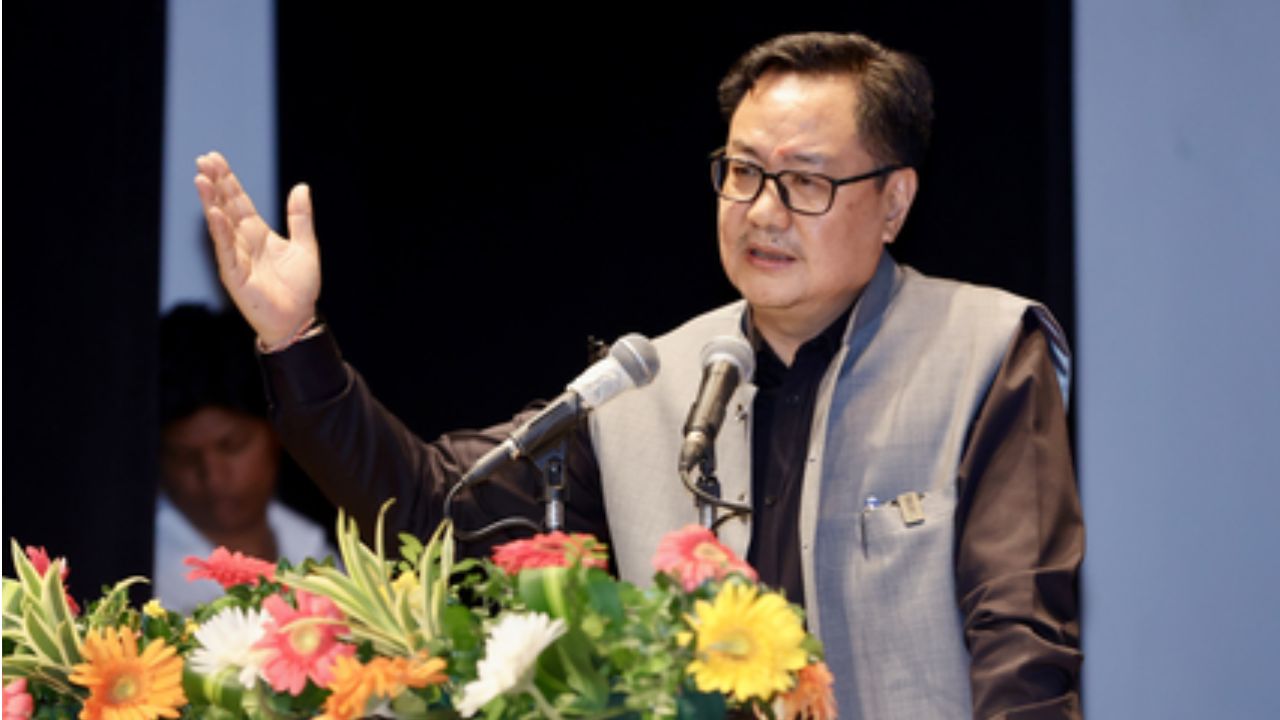
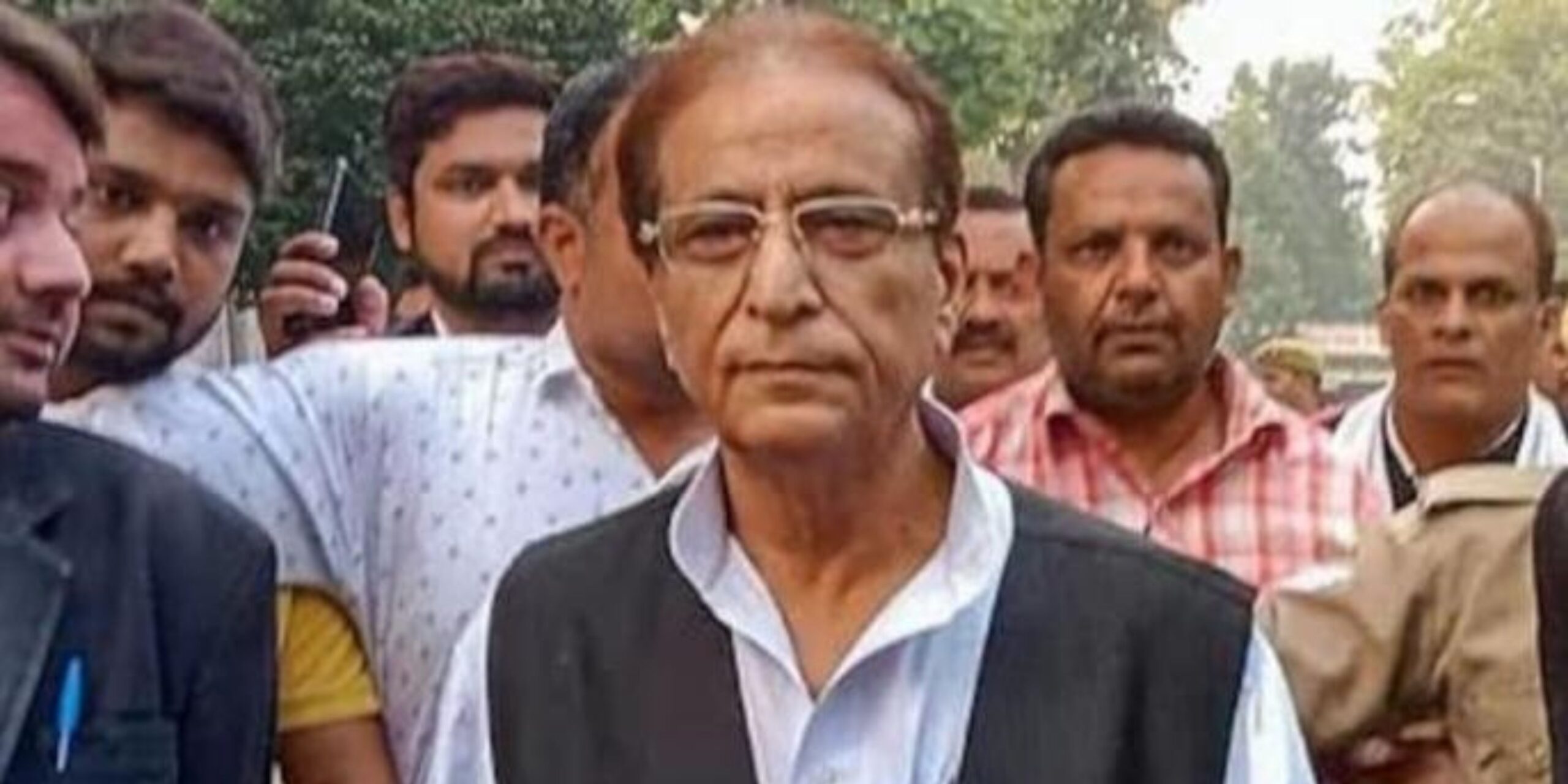
Mumbai: Veteran actor Naseeruddin Shah has reignited a political controversy with a strongly worded video backing student protesters at Jamia Millia Islamia, the Satyajit Ray Film and Television Institute (SRFTI) and Jawaharlal Nehru University (JNU). Describing himself as a proud Dimagi Naxal, the acclaimed actor has challenged the political labels directed at government critics and raised questions about the treatment of students, freedom of dissent and the state of democratic institutions in India.
The 76-year-old actor shared the video on Facebook on October 27, 2026, displaying a Dimagi Naxal badge and delivering a pointed message to the BJP-led government, sections of the media and the party's digital communications network. His remarks have brought renewed attention to the ongoing student movements, campus unrest and wider debates surrounding freedom of expression, political accountability and the autonomy of educational institutions.
In his latest video, Shah embraced the Dimagi Naxal label, turning a politically charged expression into a statement of defiance. He questioned the various labels allegedly used against critics of the establishment, including anti-national and tukde-tukde gang, arguing that such terminology can be used to discredit dissenting voices.
The actor subsequently turned the accusation towards the government, alleging that its actions and approach to dissent were contributing to divisions within the country. His remarks centred on the treatment of young people, the functioning of educational institutions and the protection of democratic values.
Shah also questioned how far the authorities would go in their alleged efforts to weaken the resolve of India's youth, undermine the education system and place democratic freedoms at risk. His video adopted a confrontational tone, reflecting his growing willingness to engage directly with politically sensitive issues through social media.
The Dimagi Naxal expression has emerged as a contentious element of the political discourse following its reported use in Prime Minister Narendra Modi's Independence Day address in August 2026. The terminology has since featured in arguments over ideological differences, dissent, student activism and the boundaries of legitimate political criticism.
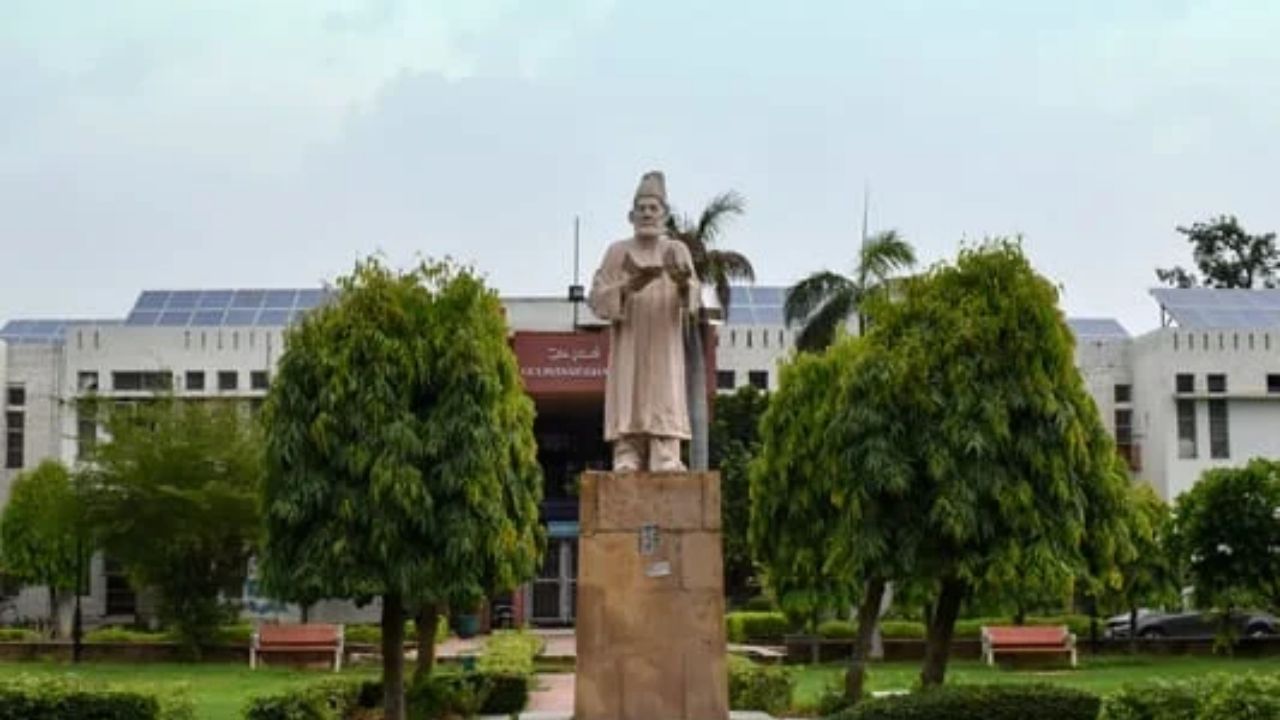
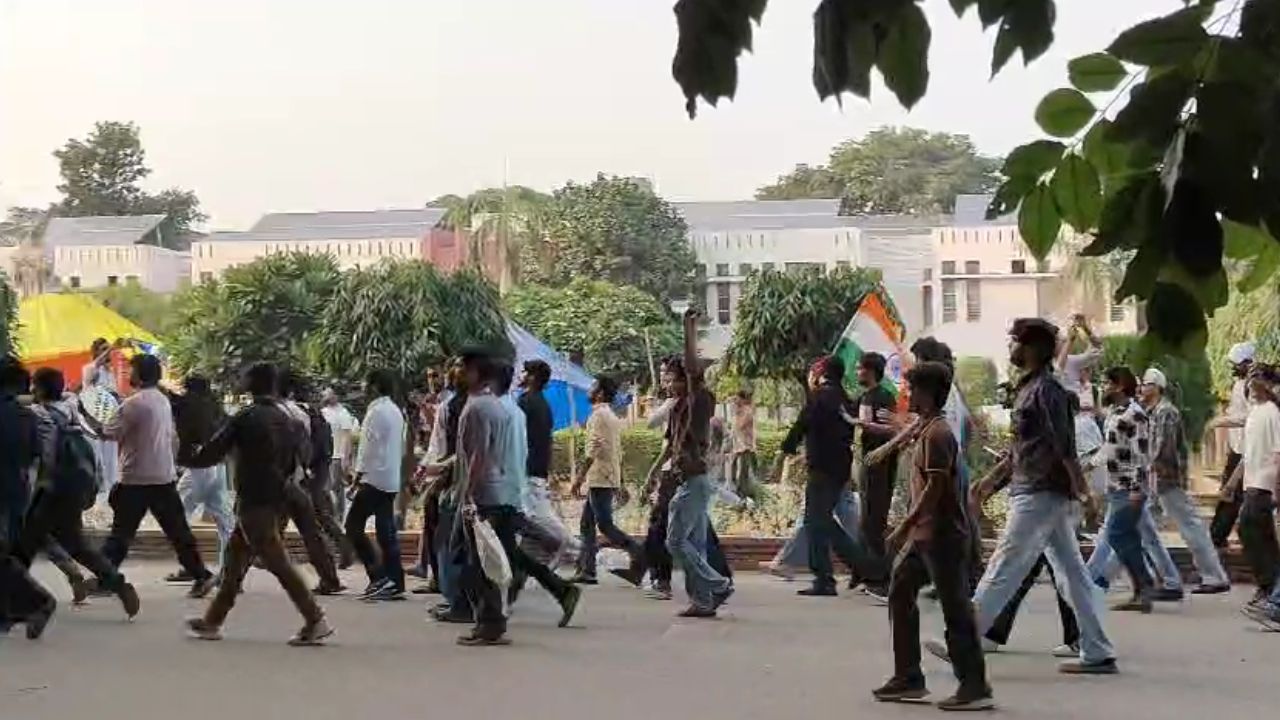
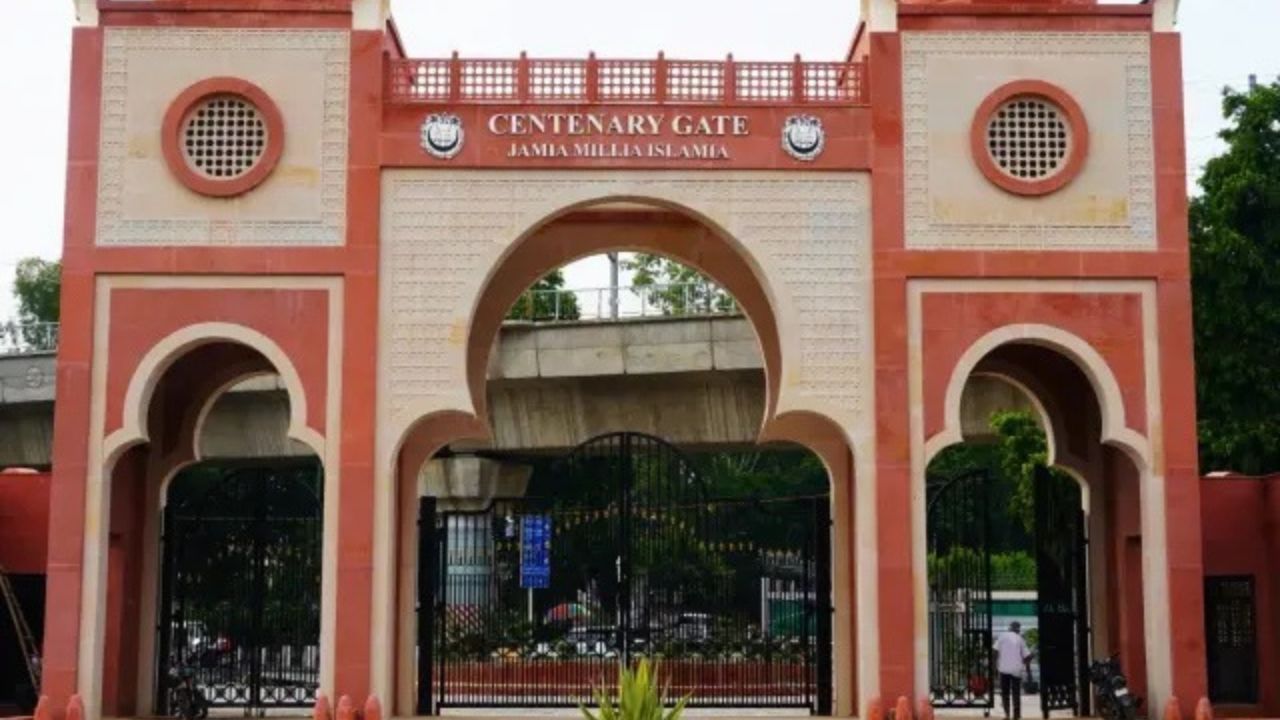
A central focus of Shah's latest intervention is the student movement at Jamia Millia Islamia in New Delhi, where protesters have been demanding the restoration of their students' union.
The actor placed the Jamia agitation within a broader pattern of campus-level conflicts, drawing parallels with developments at JNU and SRFTI. He argued that the treatment of protesting students would remain part of the country's institutional and political record, warning against measures that could discourage young people from participating in public life.
The students' demands include a definite schedule for student union elections and a clear timeline for approval of the union's constitution. According to reports, elections have not been held since 2006, making the restoration of representative student governance a significant point of contention.
The dispute has renewed discussions about student representation, campus democracy, institutional accountability and the role of elected student bodies in addressing academic and administrative concerns.
Shah's support has added a prominent cultural voice to the debate, placing the Jamia movement under greater public scrutiny and connecting its demands with wider questions about student rights and democratic participation.
Shah specifically referenced three prominent educational institutions to underline what he described as a recurring pattern of pressure on student movements.
His reference to Jawaharlal Nehru University, the Satyajit Ray Film and Television Institute in Kolkata and Jamia Millia Islamia reflects his concern about the handling of campus protests and the implications of disciplinary or administrative action against students.
The actor had previously expressed solidarity with SRFTI students who launched an indefinite sit-in following violent incidents on the institute's campus. The unrest has developed into a wider confrontation involving students, the institute's administration and political organisations.
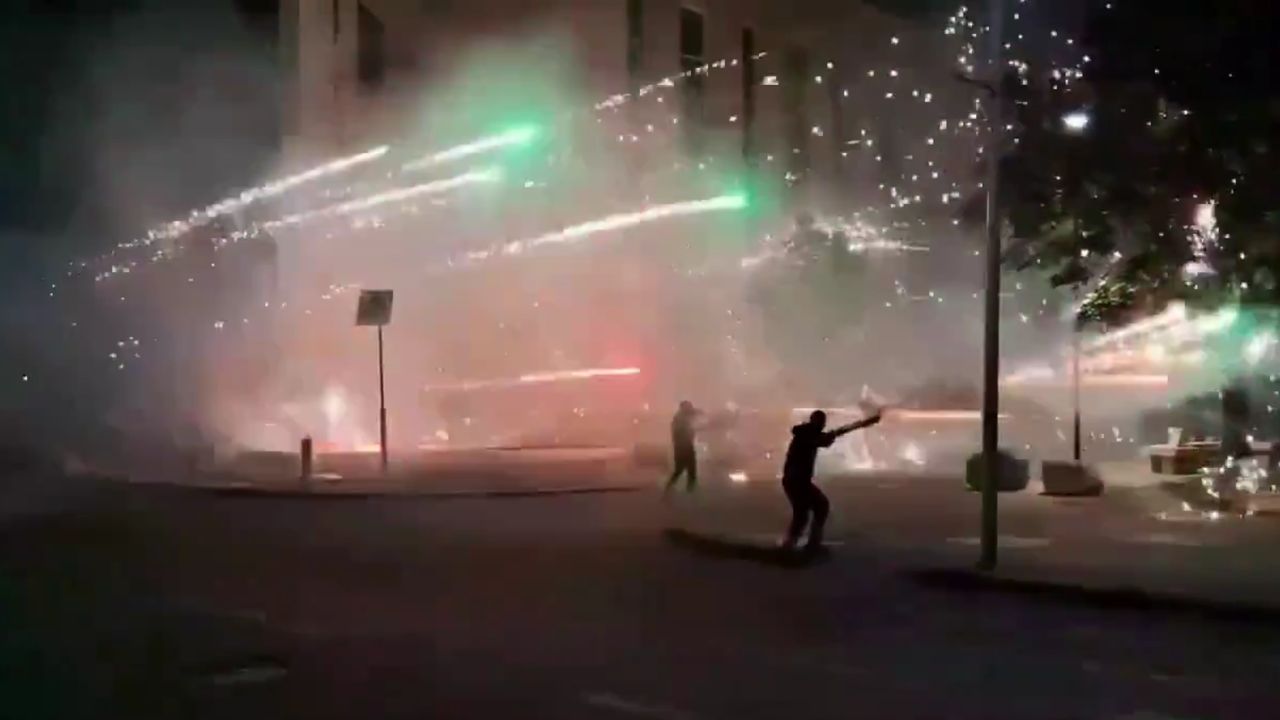
The controversy reportedly intensified after clashes on September 27, 2026, between students and members of the RSS-linked Akhil Bharatiya Grahak Panchayat during a campus event. Subsequent protests and allegations of attacks deepened tensions within the institution.
Students have demanded the resignation of SRFTI Vice-Chancellor Santosh Ajmera, alleging that the administration failed to provide adequate protection during the incidents. The institute subsequently suspended six students over alleged misconduct, prompting objections from the students' union.
Shah, along with filmmakers Payal Kapadia and Anand Patwardhan, has expressed support for the protesting students. The controversy has also drawn criticism from the BJP, while the institute's administration has alleged that external forces have politicised the agitation.
The competing claims have placed campus security, disciplinary procedures, student representation and the independence of higher educational institutions at the centre of the debate.
Shah's video also drew upon India's revolutionary literary tradition to communicate his defiance. He recited a line associated with Bismil Azimabadi's celebrated poem Sarfaroshi Ki Tamanna, a work widely associated with the freedom struggle and resistance to oppressive authority.
The verse, which challenges the strength of those wielding power, reinforced the actor's message that protests and dissent cannot simply be erased through intimidation or disciplinary action.
By invoking revolutionary poetry, Shah connected contemporary student movements with a longer history of political resistance and the struggle for civil liberties. The reference also gave his statement a cultural and historical dimension, extending the discussion beyond the immediate campus disputes.
His closing message emphasised that the determination of young Indians would not be broken, educational institutions should not be destroyed and democratic institutions must not be placed in jeopardy.
The actor also directed sharp criticism towards sections of the television media and the BJP's information technology cell, accusing them of repeatedly targeting critics and amplifying hostile narratives.
His remarks reflected a wider debate over partisan media coverage, political messaging, online campaigning and the influence of digital platforms on public opinion. Shah alleged that sections of the media had become aligned with the ruling establishment, while also questioning the competence and conduct of individuals involved in the party's online communication operations.
The comments are likely to intensify the existing debate over media independence, political polarisation, online misinformation and the responsibilities of news organisations in a highly contested public sphere.
At the same time, the controversy highlights the increasingly important role of social media in political communication. Video statements posted directly by public figures can bypass traditional editorial channels, rapidly circulate among audiences and generate responses from political parties, activists and ordinary citizens.
Shah's intervention demonstrates how an individual statement from a prominent film personality can bring multiple institutional and political disputes into a single national conversation.
The actor's comments come amid other reported student-led and electoral controversies that have contributed to heightened political tensions.
The supplied reports also refer to the Cockroach Janata Party-led agitation over alleged irregularities connected with the National Eligibility-cum-Entrance Test (NEET) and the Election Commission's Special Intensive Revision (SIR) of electoral rolls.
The youth-led movement has reportedly demanded the resignation of Chief Election Commissioner Gyanesh Kumar, alongside electoral reforms and an independent investigation into alleged discrepancies in voter-list revisions. Protesters have claimed that the revision exercise could disenfranchise large numbers of voters, allegations that the Election Commission and the BJP have denied.
These disputes have broadened the political conversation to include electoral transparency, institutional credibility, youth mobilisation and public confidence in democratic processes.
The supplied report also states that the Supreme Court addressed issues relating to the protesters during a special hearing, including assurances concerning detention and the restoration of normal public transport. The precise scope of the court's observations and any related directions would require verification against the relevant judicial record.
Although these developments concern different institutions and grievances, their appearance in the wider political debate underscores the growing significance of student mobilisation and questions surrounding institutional accountability.
Shah has frequently used his public profile to comment on political and social developments, making him a prominent voice in discussions about freedom of expression, secularism, civil liberties and the responsibilities of public institutions.
His latest video continues that engagement, combining criticism of government policy with an appeal for greater attention to the concerns of students and young citizens. By directly addressing the political establishment and its supporters, the actor has once again positioned himself at the centre of a contentious public debate.
His intervention has also revived the broader question of how artists, filmmakers, writers and other cultural figures participate in political discourse. Supporters of such interventions often view them as an important exercise of free expression, while critics may regard politically charged statements by celebrities as partisan or polarising.
The debate surrounding Shah's remarks therefore extends beyond his personal views to encompass the relationship between cultural influence, political accountability and public dissent.
Shah's comments have added momentum to the public discussion by linking these individual disputes with wider questions about educational autonomy, democratic participation and the right to criticise those in power.
The controversy highlights the continuing intersection of campus politics, celebrity activism, media narratives and India's wider democratic debate. Whether the actor's intervention produces a substantive response or further political confrontation remains to be seen.
For now, his proud adoption of the Dimagi Naxal label has ensured that the treatment of student protesters, the role of educational institutions and the boundaries of political dissent remain firmly in the public conversation.