 English
 English

The Delhi government has intensified pollution control measures (Img: Pinterest)
New Delhi: According to a model by the Indian Institute of Tropical Meteorology (IITM) , the prime reason for the deterioration in air quality in the national capital following Diwali was the smoke generated by firecrackers. This smoke accounted for more than 80 percent of the total pollution recorded on November 9.
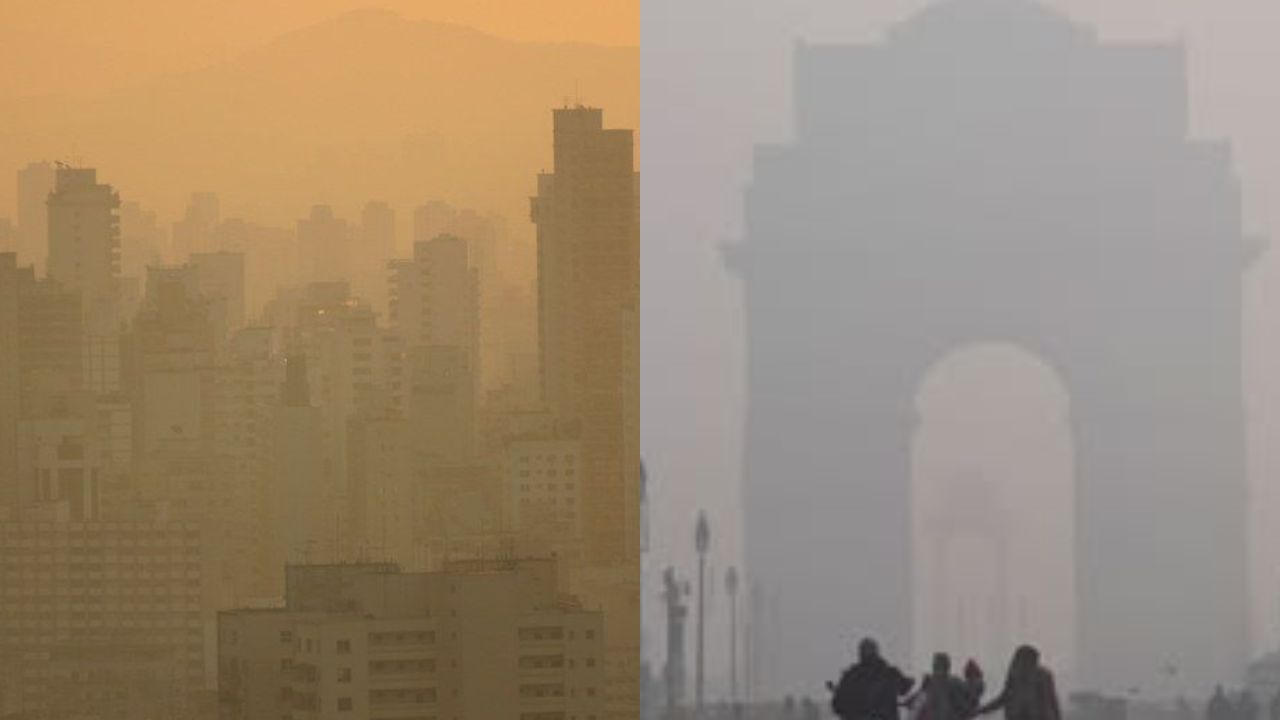
In the national capital, Delhi where pollution levels were already quite high due to various factors , a sharp decline in air quality was observed after the festival. Initial findings indicates that the Air Quality Index (AQI) reached approximately 380 at several monitoring stations.
Air quality in Delhi continues to be of serious concern. Furthermore, The India Meteorological Department (IMD) estimates that pollution levels will continue to remain in the 'very poor' category until November 13.
Also Read: Russia-Ukraine Talks: Rubio Says US And Europe Share Goals, Wants EU at Negotiating Table
November 8 on the occasion of Diwali, an average Air Quality Index (AQI) of 376 was recorded in the city. This is the highest pollution level recorded during this festival over the last five years.
There was some improvement in the situation on Tuesday, with the AQI dropping to 299 by 4:00 PM, which falls into the 'poor' category. However, by 6:00 PM, the figure rose again to 302, pushing the air quality back into the 'very poor' category.
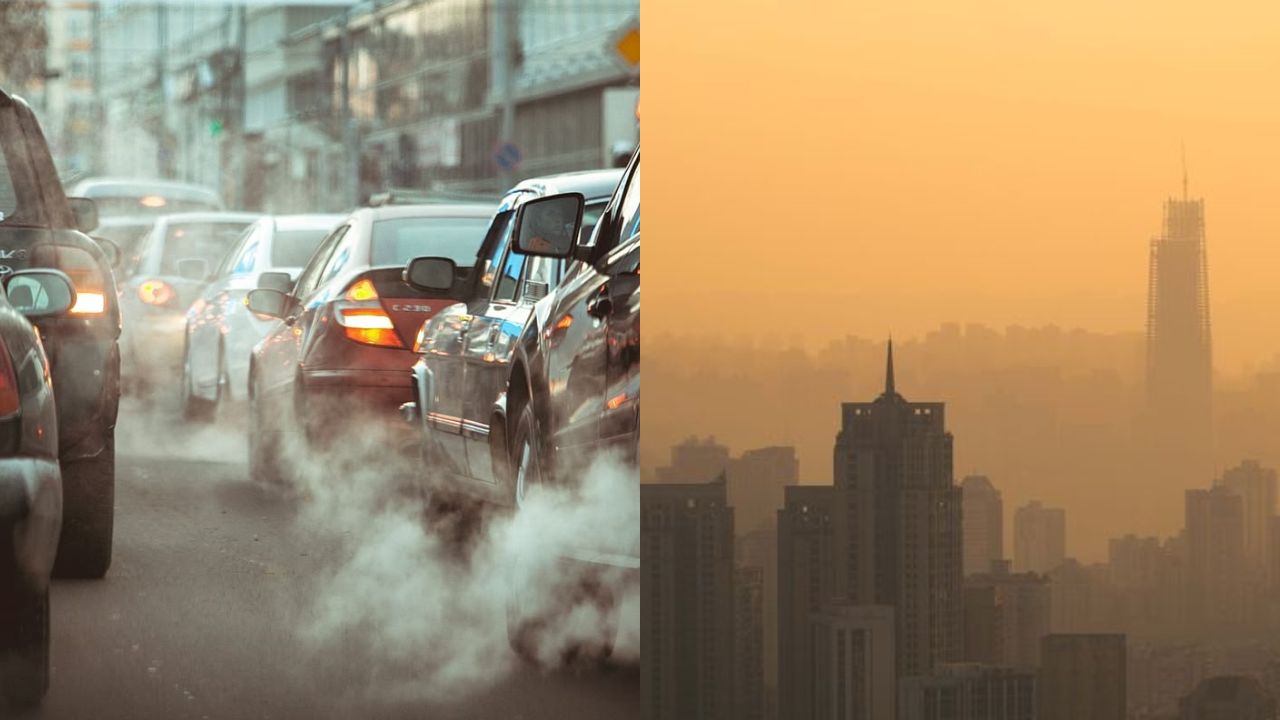
Between 1:00 AM and 9:00 AM on Tuesday, emissions from firecrackers contributed 29.9 percent to the pollution in Delhi while secondary organic compounds accounted for 17.5 percent. Vehicular emissions also emerged as another major source of pollution.
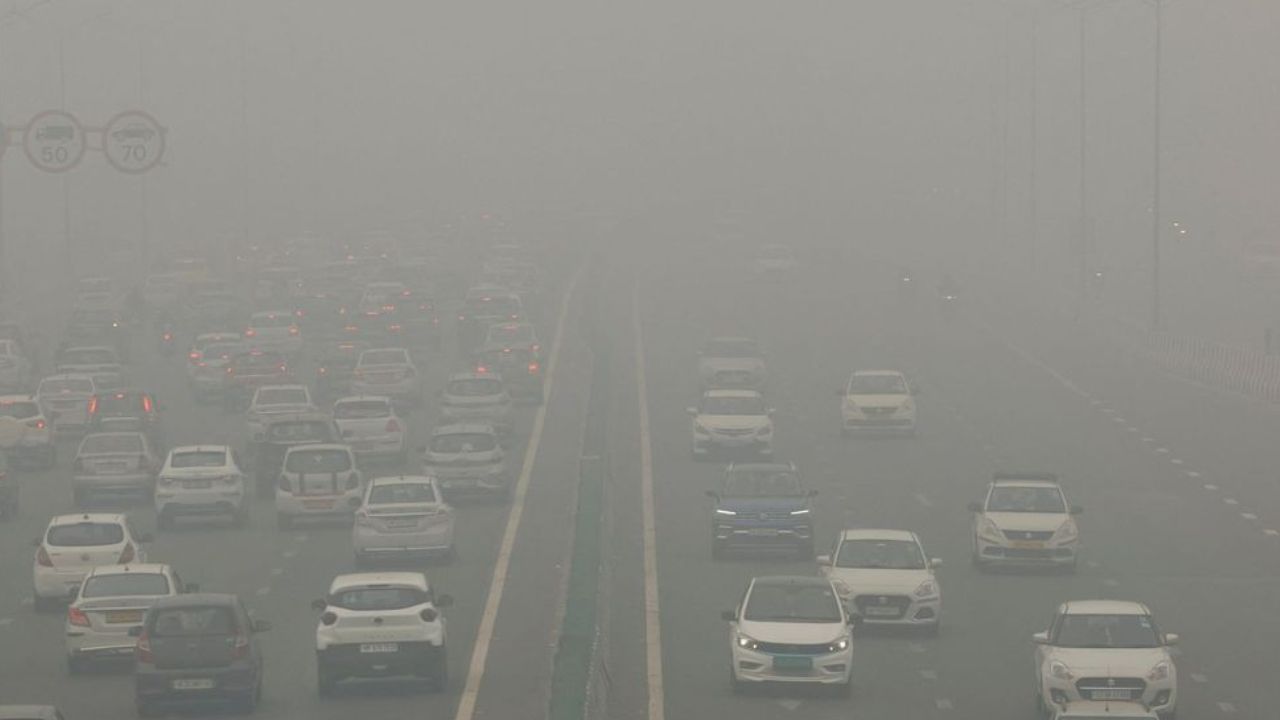
Due to low temperatures, dense fog and adverse weather conditions, pollutants have accumulated close to the ground. This has made it difficult to sustain any long-term improvement in the city's air quality.
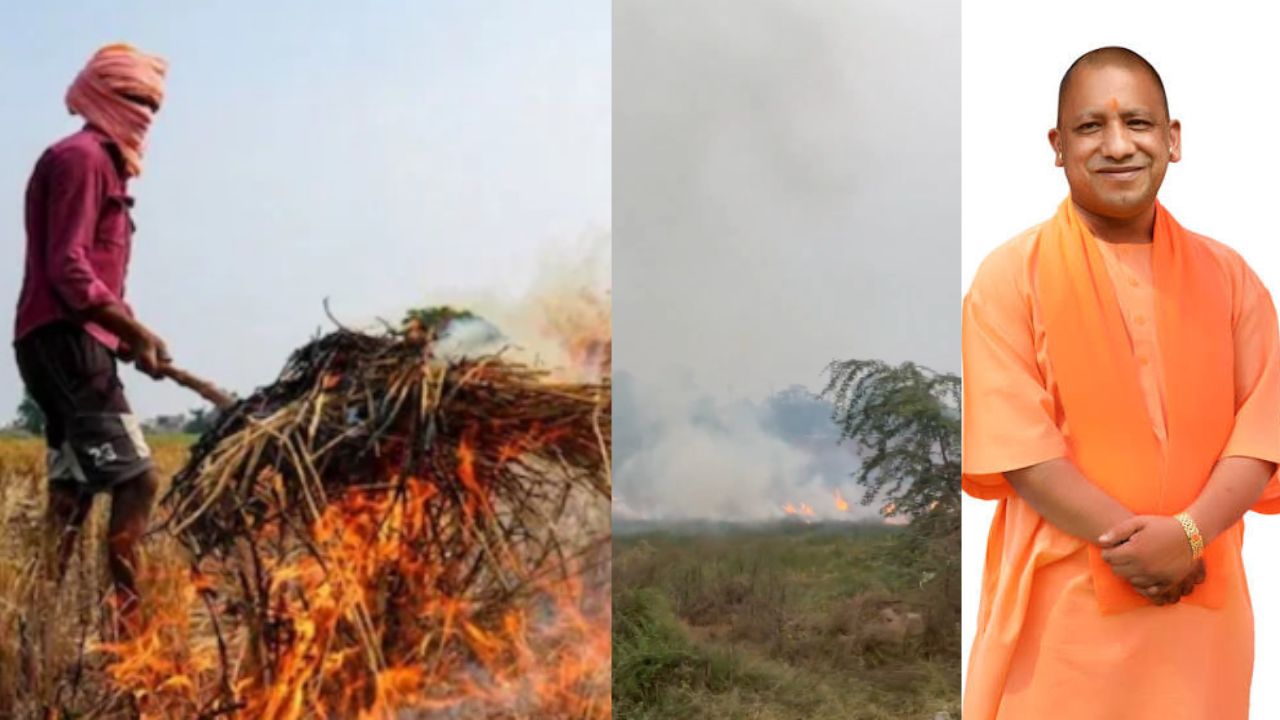
According to the reports of Meteorological Department, favorable wind conditions helped disperse some of the pollutants. Meanwhile, the burning of crop residue stubble in neighboring states, including Punjab did not have a significant impact on Delhi's pollution levels on Monday.
The Delhi government has intensified pollution control measures such as GRAP stage 3 including the spraying of water to reduce airborne dust and improve the city's air quality.