 English
 English

Delhi turns fortress as Putin, Xi and global leaders arrive for BRICS Summit (Img: Google)
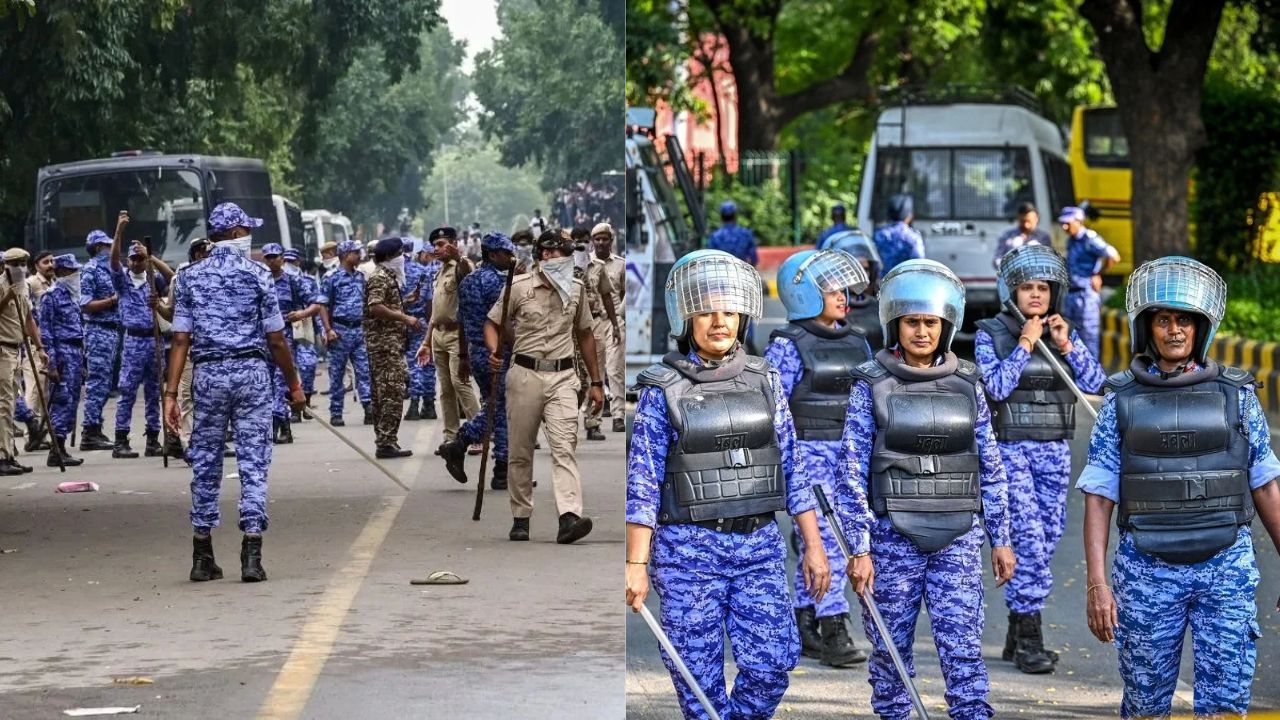
New Delhi: The national capital has entered a security lockdown ahead of the BRICS Summit 2026 as India prepares to host some of the world’s most powerful leaders. More than 15,000 security personnel, 200 companies of Central Armed Police Forces (CAPF), NSG commandos and advanced surveillance systems have been deployed across the capital.
The massive security operation has brought key areas of Delhi under a multi-layered protection system, with special focus on Bharat Mandapam, luxury hotels, airport routes and movement corridors of foreign dignitaries.
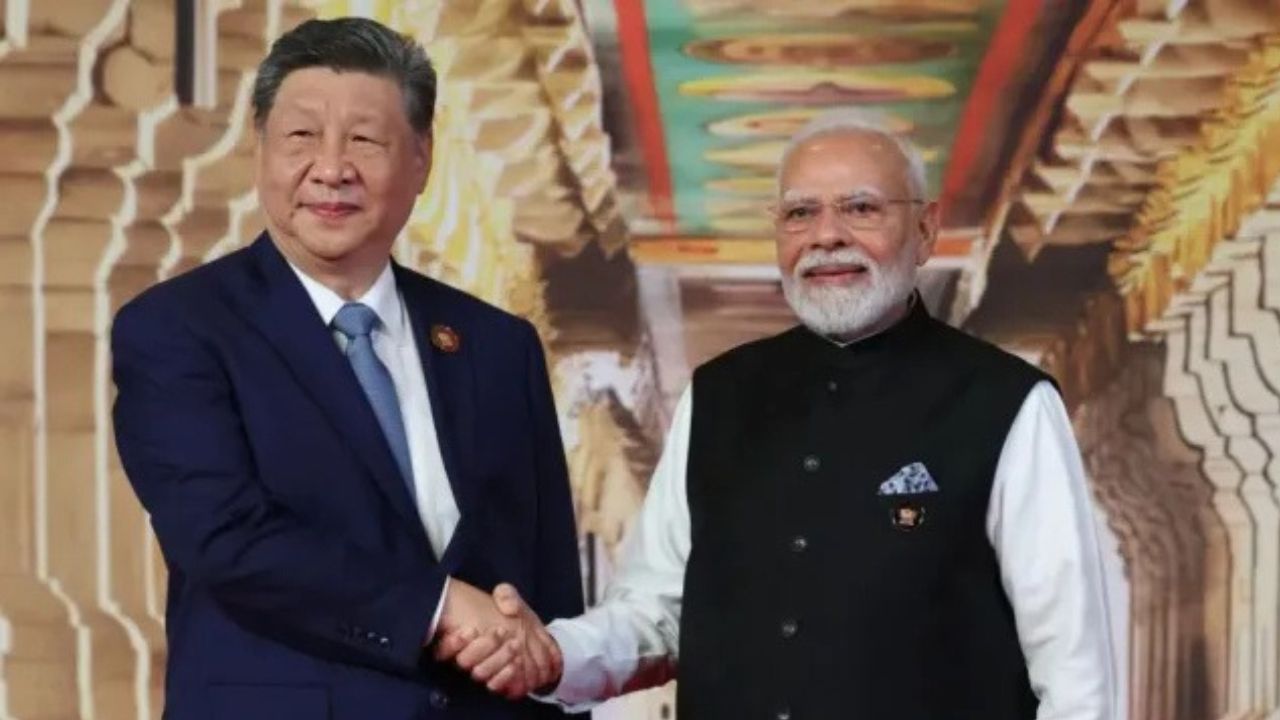
The summit has attracted global attention as leaders including Russian President Vladimir Putin, Chinese President Xi Jinping, Iranian President Masoud Pezeshkian, South African President Cyril Ramaphosa and Egyptian President Abdel Fattah el-Sisi are expected to participate.
With high-profile diplomatic meetings scheduled, security agencies have activated one of the biggest arrangements since the G20 Summit 2023, combining human intelligence, technology-based monitoring and specialised counter-terror measures.
The Delhi Police has created a detailed security blueprint in coordination with the Ministry of Home Affairs (MHA), Ministry of External Affairs (MEA), Intelligence Bureau (IB), National Security Guard (NSG) and Central Armed Police Forces.
Around 15,000 Delhi Police personnel have been mobilised for summit duties, while nearly 200 CAPF companies have been deployed for law-and-order management, emergency response and operational support.
Forces including CRPF, BSF, ITBP and Rapid Action Force personnel have been placed at strategic locations across the national capital. Senior police officials have been assigned responsibility for different security zones covering the summit venue, hotels, important roads and areas connected with foreign delegations.
The arrival of Russian President Vladimir Putin and Chinese President Xi Jinping has triggered additional security measures in Delhi. Putin’s movement is being protected through a four-layer security arrangement. The first layer consists of the Close Protection Team responsible for immediate protection, followed by senior Delhi Police officers, commandos and paramilitary forces.
The outer security ring is being handled by local police units monitoring surrounding areas and access points. Security teams from Russia and China have also reached Delhi with specialised equipment and are coordinating with Indian security agencies to ensure safe movement of their leaders.
Hotels where foreign leaders are staying have undergone extensive security checks. Employees have been verified, access points restricted and surveillance strengthened from rooftops to entry areas.
The main venue of BRICS Summit 2026, Bharat Mandapam, has been placed under tight security cover. Authorities have strengthened access control systems, visitor verification, emergency response mechanisms and intelligence monitoring around the venue.
The area has also been placed under airspace restrictions, with anti-drone systems deployed to prevent possible aerial threats. Two dedicated command centres have been established at Bharat Mandapam and Delhi Police Headquarters to monitor security operations, VIP movements and emergency situations in real time.
Technology has become a key component of Delhi’s BRICS security strategy. More than 500 high-resolution cameras have been installed across important locations in New Delhi. The surveillance network includes 4K cameras, facial recognition systems and Automatic Number Plate Recognition (ANPR) technology.
These systems are connected to central monitoring centres, allowing security agencies to track suspicious movements, monitor traffic patterns and respond quickly to potential threats. Intelligence inputs, preventive policing and real-time coordination between agencies are also being prioritised during the summit.
The movement of multiple foreign delegations and VVIP convoys has led to major traffic management preparations across Delhi. The Traffic Police has identified several routes where vehicle movement will be regulated during the summit period.
Nearly 4,800 traffic personnel have been deployed to manage congestion, coordinate diversions and ensure smooth movement of diplomatic convoys. Residents have been advised to plan their journeys in advance, avoid restricted routes and follow traffic updates to prevent delays. Authorities have maintained that the focus is on ensuring maximum security while reducing inconvenience for ordinary citizens.
Several luxury hotels across Delhi have been converted into high-security diplomatic zones ahead of the summit. Hotels hosting international leaders and delegations have witnessed multiple rounds of security checks, restricted access and additional surveillance arrangements.
Properties including ITC Maurya, Taj Palace, The Oberoi New Delhi, The Taj Mahal Hotel, Le Méridien, The LaLiT and Shangri-La Eros are connected with the stay arrangements of global delegates and officials. Thousands of rooms have been reserved for presidents, diplomats, international organisation heads and senior officials attending the summit.
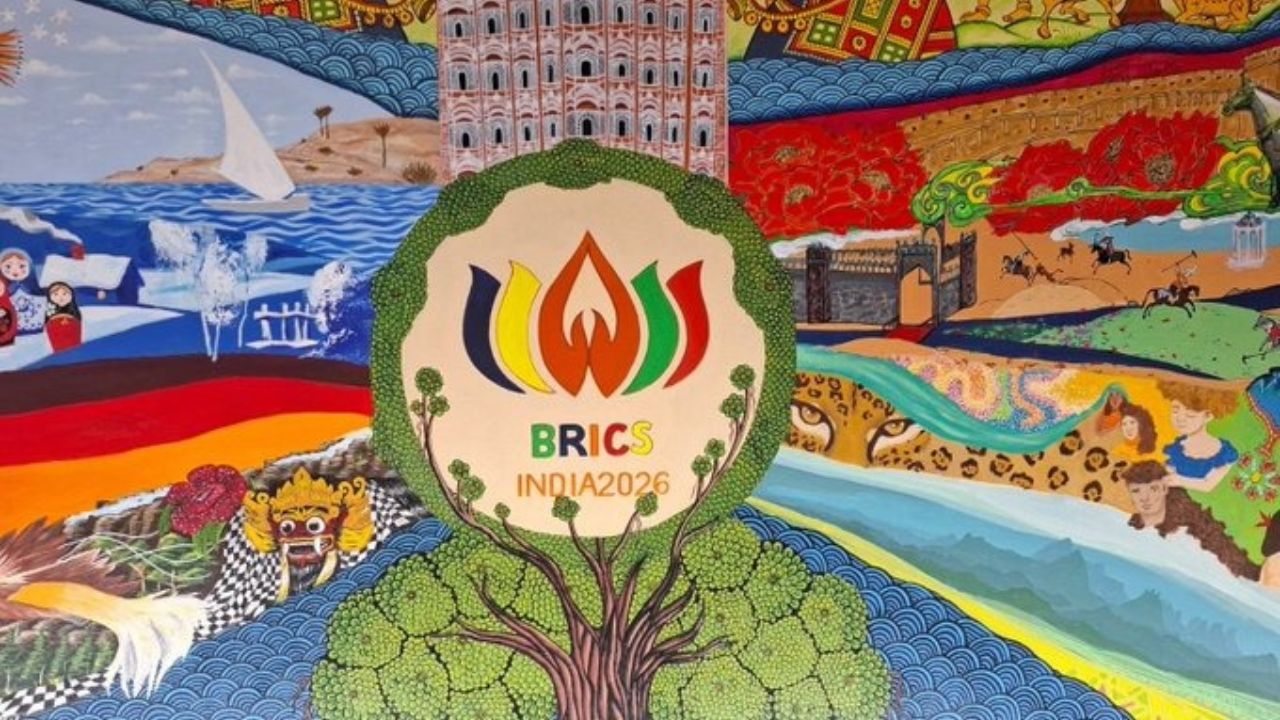
The 18th BRICS Summit is being hosted by India under the theme "Building for Resilience, Innovation, Cooperation and Sustainability". The two-day summit scheduled on September 12 and 13 will focus on global economic cooperation, trade expansion, digital technology, energy security and reforms in international institutions.
The expanded BRICS grouping includes Brazil, Russia, India, China, South Africa, Egypt, Ethiopia, Indonesia, Iran, Saudi Arabia and the UAE. The wider gathering will also include partner nations and representatives from international organisations, making Delhi a centre of global diplomacy.
Hosting BRICS Summit 2026 is not only a diplomatic responsibility but also a major security challenge for India. The presence of multiple world leaders requires coordination between several agencies while maintaining normal life for millions of Delhi residents.
From securing foreign leaders to managing traffic, surveillance and emergency response, Indian agencies are handling a complex operation involving national security, international diplomacy and public convenience. As the summit begins, all eyes are on Delhi’s security arrangements and the discussions that could shape future economic and geopolitical cooperation among major emerging economies.