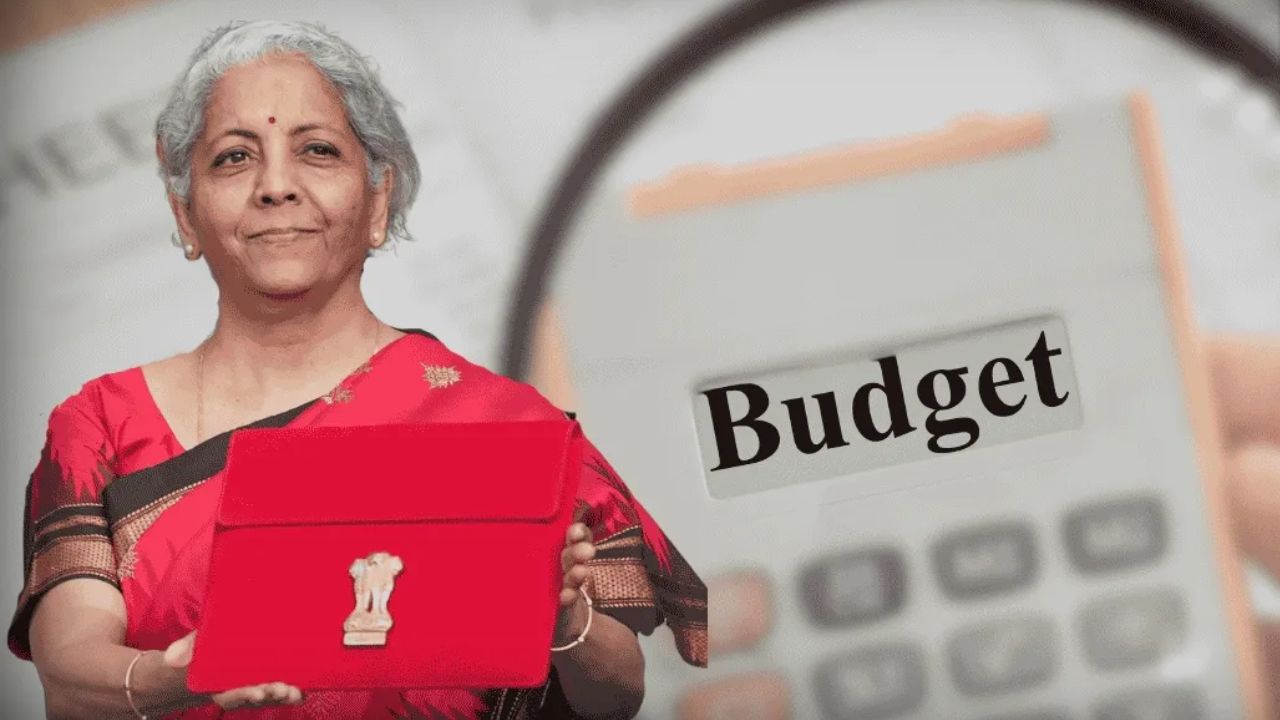
Nirmala Sitharaman to present Union Budget on Sunday
New Delhi: Union Finance Minister Nirmala Sitharaman will present the Union Budget for the financial year 2026-27 on 1 February.
As India has overtaken Japan to emerge as the world’s fourth-largest economy, the government now faces a range of critical economic challenges.
Against this backdrop, the 2026-27 Budget is being seen not merely as a statement of numbers, but as a roadmap that will shape the country’s economic direction in the years ahead.
GDP Growth: The Biggest Concern
According to the Economic Survey, India's GDP growth in FY27 is expected to be between 6.8 and 7.2 percent. However, continuous growth of more than 8 percent is considered necessary to achieve the goal of a 'developed India' by 2047.
What health and education sectors want from FM Nirmala Sitharaman in Budget 2026
Increasing investment, boosting consumption, and increasing spending on infrastructure will be crucial for the government.
Increased Pressure Due To Rupee Depreciation
The Indian rupee has reached a historic low against the dollar. A weaker rupee makes imports more expensive, affecting the prices of fuel and essential goods. Measures to attract foreign investment and boost exports will be crucial in the budget.
Employment Crisis In The IT Sector
The pace of hiring in the IT and software sectors has slowed down. The sharp decline in the number of new jobs has increased concerns among urban youth. The government is expected to focus on skill development, startups, and new technologies.

Growing Trade Deficit With China
Increasing imports from China pose a challenge to domestic manufacturing. To strengthen 'Atmanirbhar Bharat' (Self-Reliant India), the budget needs to provide protection and incentives to domestic industries.
Rising Prices Of Gold And Silver
The rising prices of gold and silver have increased the burden on the middle class. This is impacting both weddings and savings. Concrete steps to control inflation are expected in the budget. Air Pollution and Sanitation
Several cities in the country are grappling with severe air pollution. Poor air quality directly impacts health and productivity. Investment in green energy and clean transport will be a crucial issue.
US High Tariffs
US tariffs on Indian products have increased the difficulties for exporters. Exploring new markets and export promotion schemes will be important in the budget.
Sluggish Manufacturing Sector
Despite the Make in India initiative, the manufacturing sector's contribution has not reached the expected levels. Tax relief and policy reforms can give a boost to this sector.
Agriculture And Farmers' Income
Increasing agricultural productivity and strengthening farmers' income will remain a government priority. The budget is expected to focus on technology, irrigation, and improved seeds.
Overall, the 2026-27 budget will be a major test for the government in balancing the economy and laying a strong foundation for the future.


