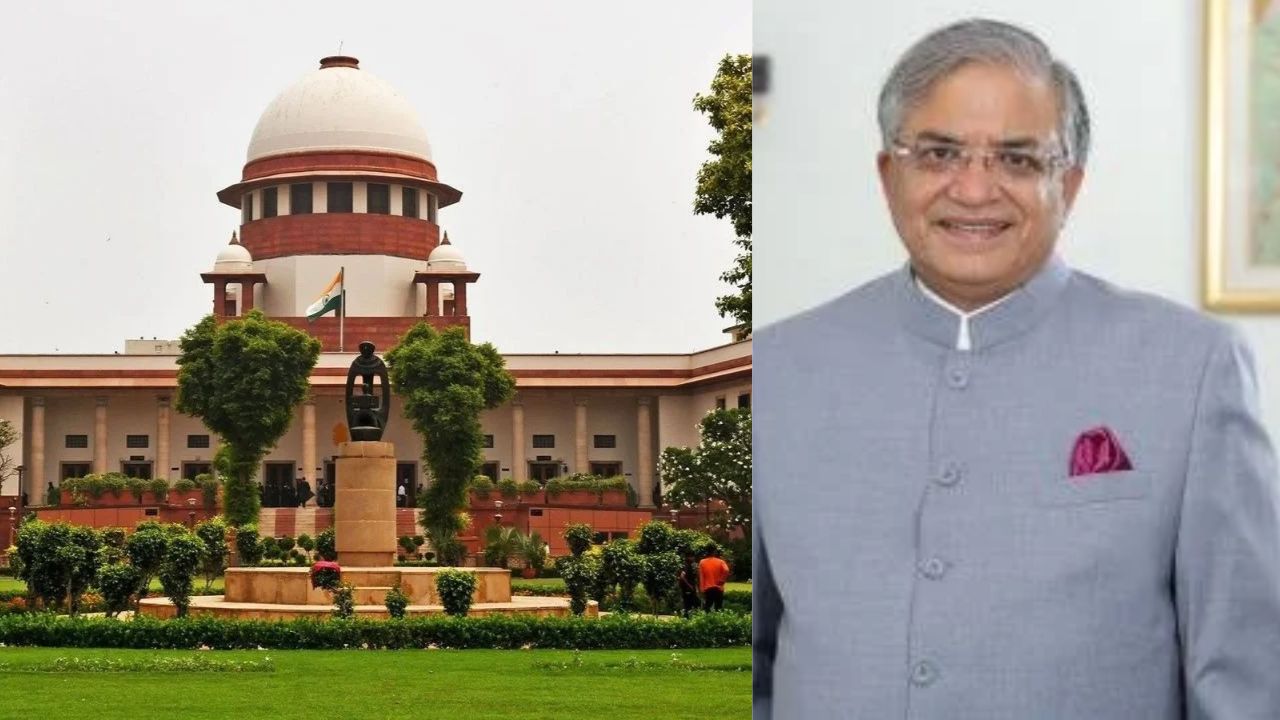
CEC Gyanesh Kumar faces Supreme Court challenge over ECI functioning. (Img: X)
New Delhi: The functioning of the Election Commission of India (ECI) came under the spotlight on Monday after a petition filed before the Supreme Court challenged the decision-making process of the country’s top electoral body and raised questions over the authority exercised by Chief Election Commissioner Gyanesh Kumar.
The petition alleged that certain decisions were taken in the name of the Election Commission without approval from other Election Commissioners, triggering a wider debate over institutional balance, constitutional responsibility and the functioning of a multi-member election authority.
The legal challenge has brought renewed attention to Article 324 of the Constitution, which empowers the Election Commission to supervise, direct and control elections across India.
## Plea Questions CEC’s Role in Collective Decision-Making
The petition, filed by Rakesh Kumar Singh, has sought a writ of Quo Warranto, asking the Chief Election Commissioner to explain the legal authority under which certain actions were allegedly carried out as decisions of the Election Commission.
The plea claims that the Election Commission functions as a collective constitutional body and that powers granted under Article 324 cannot be exercised independently by one member without participation of other Election Commissioners.
According to the petition, Election Commissioners Sukhbir Singh Sandhu and Vivek Joshi were allegedly not involved in approving certain decisions attributed to the Commission.
The Election Commission currently consists of the Chief Election Commissioner and two Election Commissioners. Under the existing framework, decisions are expected to be taken unanimously wherever possible. In case of disagreement, the final decision is determined through majority opinion.
## Legal Battle Over ECI’s Internal Functioning
The petition has raised concerns over the internal functioning of the Election Commission and alleged increasing centralisation of authority within the institution.
The plea has highlighted issues related to the alleged absence or delay of meeting agendas, lack of access to minutes of discussions, changes in electoral roll procedures and filing of appeals without the approval of all members.
The petitioner has argued that the Election Commission’s decisions have a direct impact on democratic participation, especially when they relate to electoral rolls, voter eligibility and election administration.
The plea states that any deviation from the legally established decision-making process could raise serious questions about institutional accountability and constitutional validity.
## Article 324 and 2023 Election Law at Centre of Dispute
The petition has relied on provisions of the Chief Election Commissioner and Other Election Commissioners (Appointment, Conditions of Service and Term of Office) Act, 2023.
The law provides that the business of the Election Commission should be conducted through consensus wherever possible. If differences arise between the Chief Election Commissioner and Election Commissioners, the matter is decided according to the majority view.
The petitioner has argued that the statutory framework requires participation of all members of the Commission in collective decisions and that unilateral action, if established, would require judicial examination.
The case has therefore raised a larger constitutional question about the balance between the individual authority of the Chief Election Commissioner and the collective responsibility of the Election Commission.
## Special Intensive Revision Process Also Under Legal Challenge
The petition has also challenged actions connected with the Special Intensive Revision (SIR) of electoral rolls.
The petitioner has sought a declaration that the SIR process and related decisions, directions and consequential measures should be declared invalid if they were carried out without proper legal authority.
The plea argues that electoral roll revision is a critical democratic exercise because it determines voter inclusion and directly affects citizens’ right to participate in elections.
## Why The Case Matters For India’s Electoral System
The Supreme Court challenge has placed the spotlight on one of India’s most important constitutional institutions.
The Election Commission plays a central role in conducting elections, maintaining electoral rolls, regulating the electoral process and ensuring public confidence in democratic institutions.
The outcome of the case could have implications for how the powers and responsibilities of the Chief Election Commissioner and other Election Commissioners are interpreted in the future.
Beyond the immediate legal dispute, the matter has revived discussions on institutional independence, transparency and accountability within constitutional bodies.
## What Happens Next?
The Supreme Court will examine the issues raised in the petition, including the alleged exercise of collective powers, the interpretation of Article 324 and compliance with the Election Commission’s statutory framework.
The court’s proceedings will determine whether the allegations require further scrutiny and whether existing procedures governing the Election Commission need closer judicial interpretation.
As the matter progresses, the case is expected to remain significant for debates surrounding electoral reforms, institutional autonomy and the functioning of India’s democratic framework.

