 English
 English

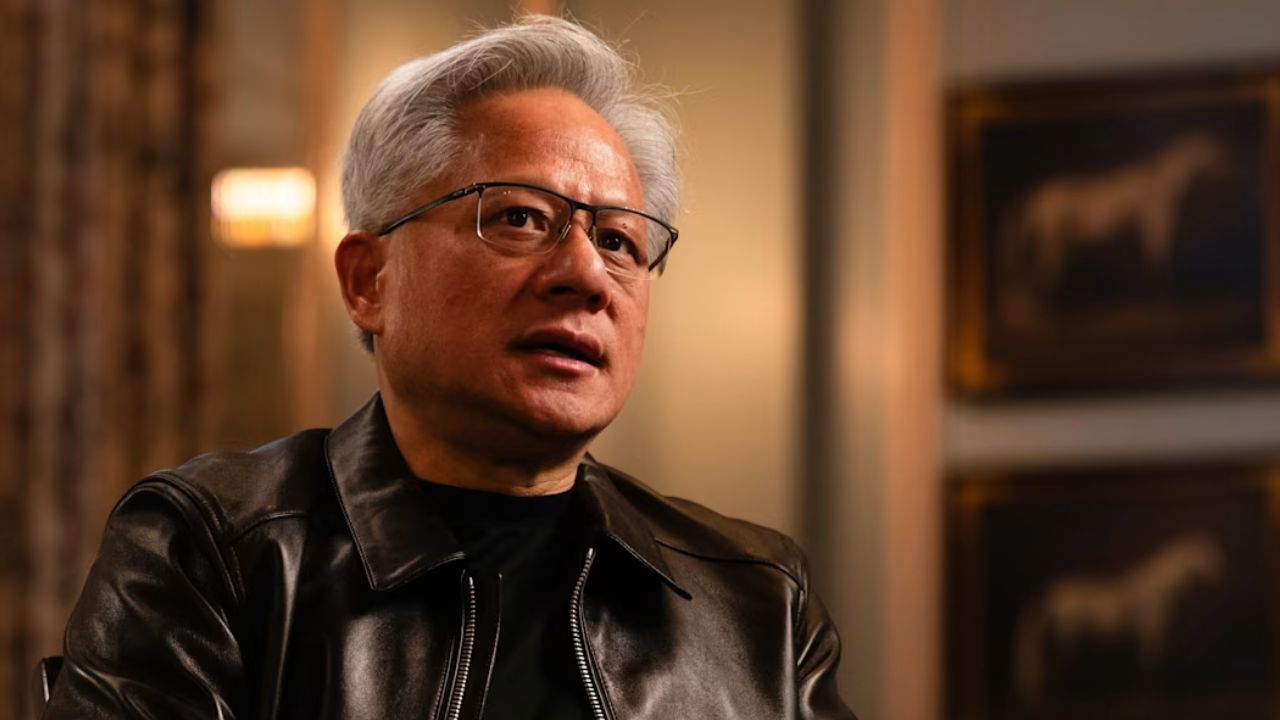
Jensen Huang's reported departure from Nvidia has added another dimension to the growing controversy over AI chip exports to China, putting pressure on Howard Lutnick. (Img: Pinterest)
Washington: US President Donald Trump's administration is facing mounting political and national security pressure over its policy on advanced semiconductor exports to China, with senior White House officials reportedly discussing whether Commerce Secretary Howard Lutnick should be removed from his position.
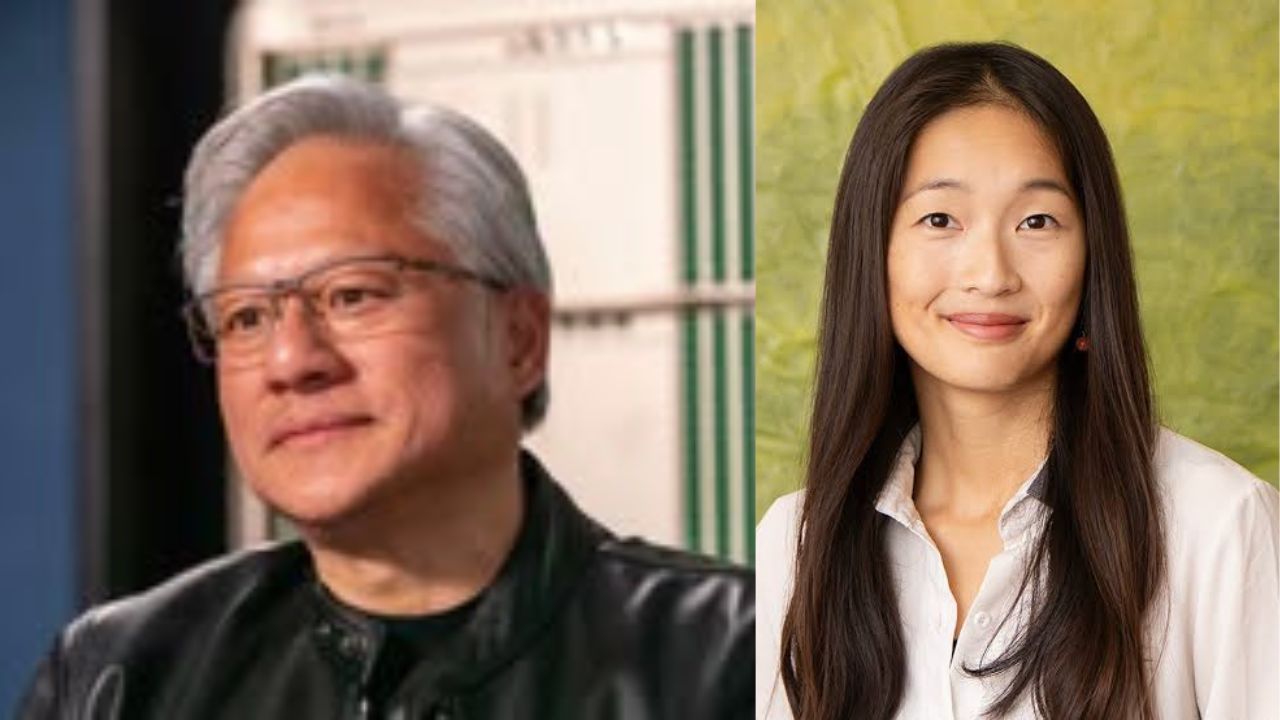
The controversy, which has brought US-China technology trade and national security concerns into sharp focus, has intensified amid questions over the Commerce Department's handling of export restrictions on advanced artificial intelligence (AI) chips manufactured by Nvidia. The issue has also become more sensitive following reports surrounding former Nvidia CEO Jensen Huang and his alleged connections with Alice Huang, a Chinese businesswoman suspected by US authorities of having links to Beijing's intelligence services.
According to a media report citing two people familiar with the discussions, senior White House officials considered whether Lutnick should be asked to leave his post. The discussions come as lawmakers from both the Republican and Democratic parties demand explanations over the administration's decision not to impose additional trade restrictions on several Chinese technology companies identified as potential national security risks.
However, the White House has not announced any decision to remove Lutnick. A White House official said on Thursday that Trump continued to have complete confidence in the Commerce Secretary and his ability to perform his duties.
The Commerce Department's handling of semiconductor exports to China had already attracted criticism before the latest developments involving Nvidia and its former chief executive. The controversy centres on concerns that advanced American-made AI chips could reach Chinese companies with alleged connections to the country's military, intelligence agencies or sanctioned organisations. US lawmakers have questioned whether existing export controls are strong enough to prevent sensitive American technology from being diverted to unauthorised buyers.
Lutnick's handling of suspected illegal chip diversions has emerged as a major point of contention within the Trump administration. An earlier Axios report alleged that the Commerce Secretary had spent much of the previous year reversing efforts by other administration officials to hold Megaspeed accountable. The Singapore-based company has been accused of illegally diverting US-made advanced chips to China.
The matter reportedly became particularly contentious during a meeting in the White House Situation Room following the US midterm elections. According to the Axios account, Treasury Secretary Scott Bessent confronted Lutnick over the Commerce Department's failure to place Megaspeed on the US Entity List, a government trade blacklist used to restrict access to American goods and technology.
Lutnick reportedly indicated that he would examine the matter. However, the Commerce Department denied that the confrontation described in the report had taken place. The issue has raised questions about coordination between key government departments responsible for economic policy, trade restrictions and national security.
Another major concern involves the administration's decision to delay restrictions on several Chinese technology companies. According to media reports, the Trump administration had held back from adding Chinese artificial intelligence startup DeepSeek, memory chipmaker ChangXin Memory Technologies (CXMT) and more than 100 other companies identified as potential national security risks to the US trade blacklist. The United States has not announced any new additions to the Entity List since October 2025. This marks the longest gap between new additions in more than a decade.
The delay has raised concerns among lawmakers who believe that restrictions on sensitive technology must be enforced more firmly to prevent American semiconductor technology from strengthening China's military and technological capabilities. Reports have also suggested that concerns over escalating trade tensions between Washington and Beijing influenced the administration's decision to delay further restrictions.
The political controversy has intensified following reports surrounding Jensen Huang, Nvidia's co-founder and former chief executive, who announced his departure from the company's top position on Thursday. Reports about his alleged personal relationships with several women, including Chinese businesswoman Alice Huang, have attracted considerable attention. US authorities suspect Alice Huang of having links to Chinese intelligence services, although the allegations have not been established as proven espionage.
Alice Huang is associated with Megaspeed, the Singapore-based company that has reportedly purchased more than USD 4.8 billion worth of advanced Nvidia AI chips since June 2024. The reported connection between the businesswoman, Megaspeed and the former Nvidia chief has added to questions surrounding the company's international sales and the effectiveness of US technology export controls. Additional reports have also raised allegations of other relationships involving Jensen Huang, including one involving Nvidia vice-president Kimberly Powell.
The controversy has placed Nvidia's international business dealings under greater scrutiny at a time when advanced AI processors have become a major strategic asset in the global competition between the United States and China. Trump said he had spoken with Huang on Wednesday but indicated that he was unsure whether Alice Huang had been established to be a spy. Nvidia's announcement concerning Jensen Huang's departure did not address the allegations surrounding his personal relationships or the wider export-control controversy.
The controversy has triggered demands for accountability from members of both major political parties in the United States. Republican Senator John Kennedy said he had not reached a conclusion on whether Lutnick should lose his position. However, he called for the Commerce Secretary to answer questions publicly and indicated that he would be summoned before Congress.
Kennedy described the situation as extremely serious, reflecting growing concern among lawmakers over the possible national security implications of the administration's semiconductor export policies. Democratic Senator Elizabeth Warren has also demanded an explanation from Lutnick and Commerce Department Under Secretary Jeffrey Kessler over the alleged gaps in export controls.
Warren, who is set to chair the Senate Banking Committee from January, has raised concerns that advanced American technology could be reaching Chinese military-linked organisations because of weaknesses in the existing regulatory framework.
Warren and incoming Senate Foreign Relations Committee Chair Chris Coons, a Democrat from Delaware, also wrote to Lutnick, Secretary of State Marco Rubio and White House Chief of Staff Stephen Miller.
They called on the administration to preserve all documents relating to Nvidia's advanced chip exports to China and the associated national security concerns. Their intervention has increased pressure on the administration to explain its decision-making process and provide greater transparency regarding semiconductor export approvals.
The controversy has also brought renewed attention to the Trump administration's December 2025 decision to permit Nvidia to sell its advanced H200 AI chips to China under specified conditions. The approval reportedly involved the administration receiving a share of the revenue generated through the export sales as part of a Commerce Department arrangement.
Democratic lawmakers have questioned the legality of this arrangement, describing the revenue-sharing mechanism as an unconstitutional export tax.
US Senator Ron Wyden of Oregon and Representative Richard Neal of Massachusetts, the leading Democrats on the Senate Finance Committee and House Ways and Means Committee respectively, wrote to Lutnick on Thursday.
They raised concerns about the administration's approval of advanced Nvidia chip sales to Chinese companies that allegedly have links to the Chinese government, military and sanctioned entities. The lawmakers are examining whether the approval process adequately considered the national security risks associated with transferring advanced semiconductor technology to China. Their concerns also reflect a larger debate in Washington over whether commercial interests should take precedence over strategic and national security considerations in the global AI race.
Republican Senator Tom Cotton of Arkansas, who chairs the Senate Intelligence Committee, has also called for stronger action against Chinese semiconductor companies. Cotton urged Lutnick to prevent CXMT from accessing the US market and restrict its access to American technology.
His intervention highlights the bipartisan nature of concerns over China's growing semiconductor capabilities and the potential use of advanced foreign technology for strategic or military purposes. CXMT did not immediately respond to a request for comment.
Florida Republican Representative Brian Mast also called for a congressional investigation into the Commerce Department's role in approving semiconductor exports. However, he expressed confidence in Lutnick's leadership.
Howard Lutnick is a Wall Street veteran who became US Commerce Secretary under President Donald Trump. He previously served as co-chair of Trump's presidential transition team and has maintained a close personal association with the President for around three decades.
Lutnick also appeared as a guest on Trump's reality television programme The Apprentice in 2008. His long-standing relationship with Trump makes the reported discussions over his future particularly significant, although the President's public expression of confidence suggests that no immediate decision has been announced.