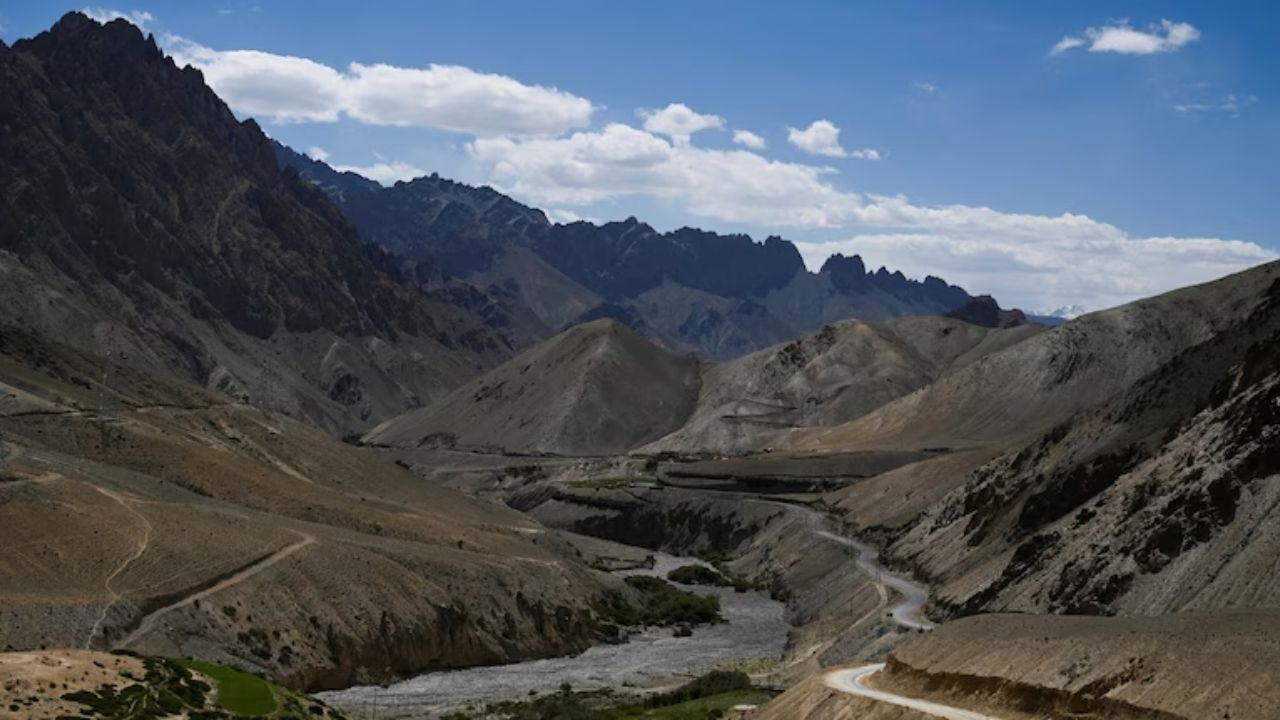
Strategic Importance of the Region and Geopolitical Stakes
New Delhi: China recently completely rejected India's objections to its infrastructure projects in the Shaksgam Valley of Jammu and Kashmir. China claims the area is part of its territory and that building roads or undertaking other development work there is its "internal right." Under the China-Pakistan Economic Corridor (CPEC), China is constructing a road to Pakistan that passes through this region.
Chinese Foreign Ministry spokesperson Mao Ning stated at a press conference on January 12, 2026, that the area in question is part of China and that questioning its status is inappropriate. She also mentioned that a border agreement was signed between China and Pakistan in the 1960s, in which both countries demarcated their borders.
Canada reaches out to China to counter US pressure, reshape global power balance
China has described CPEC as an economic cooperation project aimed at promoting local development, employment, and infrastructure. According to Mao Ning, CPEC has no connection to China's stance on the Kashmir issue. China maintains that Kashmir is a historical and complex issue that should be resolved by India and Pakistan through dialogue and peaceful means. China respects UN resolutions and international agreements.
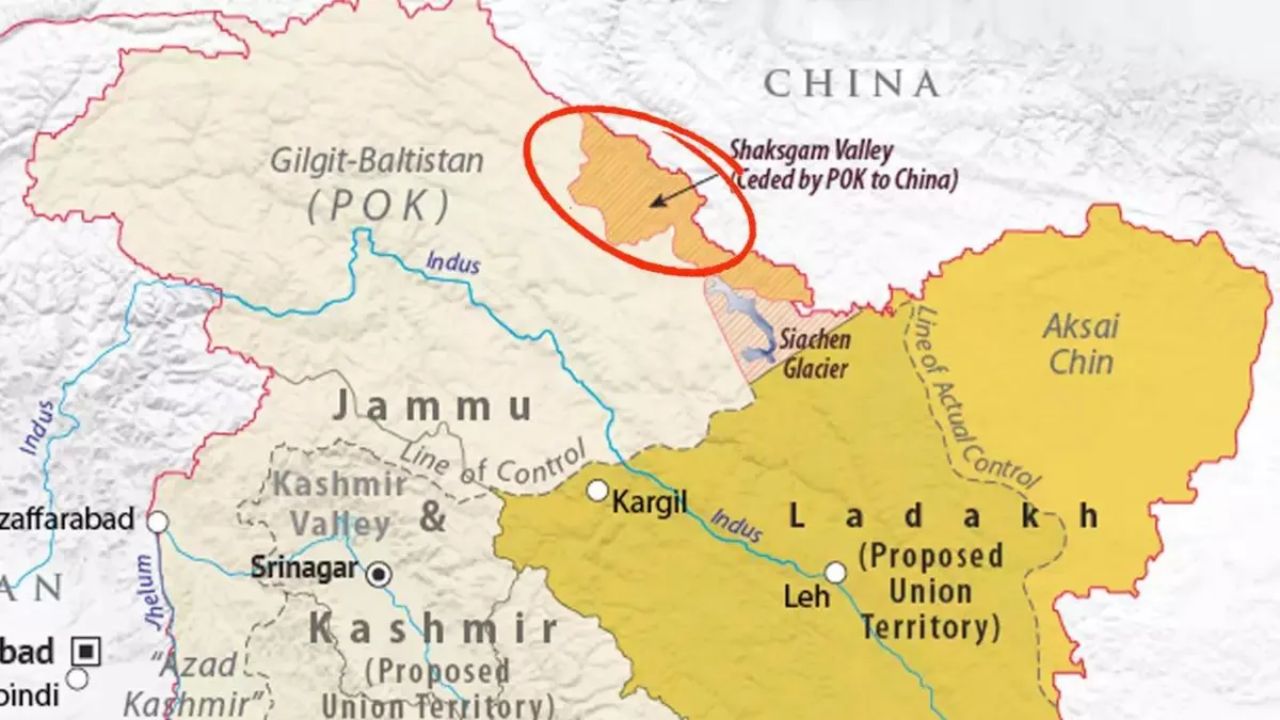
Historical Background of the Shaksgam Valley Dispute
India has categorically rejected these Chinese claims. On January 9, 2026, Ministry of External Affairs spokesperson Randhir Jaiswal clearly stated that the Shaksgam Valley is an integral part of India and that India has never recognized the 1963 China-Pakistan border agreement. According to India, this agreement is illegal because Pakistan had no right to cede this territory.
India has also rejected CPEC, stating that the project passes through Indian territory that is under Pakistan's illegal occupation. India's clear position is that Jammu and Kashmir and Ladakh are integral parts of India and that there can be no compromise on this.
The Shaksgam Valley dispute dates back to 1948, when Pakistan illegally occupied the region. Later, in 1963, Pakistan ceded this territory to China. The CPEC project, which began in 2013, has a total cost of approximately $60 billion. This project passes through Gilgit-Baltistan and includes major infrastructure projects such as roads, railways, energy projects, and the Gwadar Port.
After Venezuela, India, China and Brazil in US crosshairs as Trump clears 500% tariff sanctions bill
This region is strategically crucial because it provides China with direct access to the Arabian Sea. India has consistently maintained that this constitutes a violation of its sovereignty. Tensions persist between China, Pakistan, and India over the Shaksgam Valley and the CPEC, and there is currently no indication of any change in the positions of the three countries.


