CJI Gavai on Judicial Independence and Bill Assent
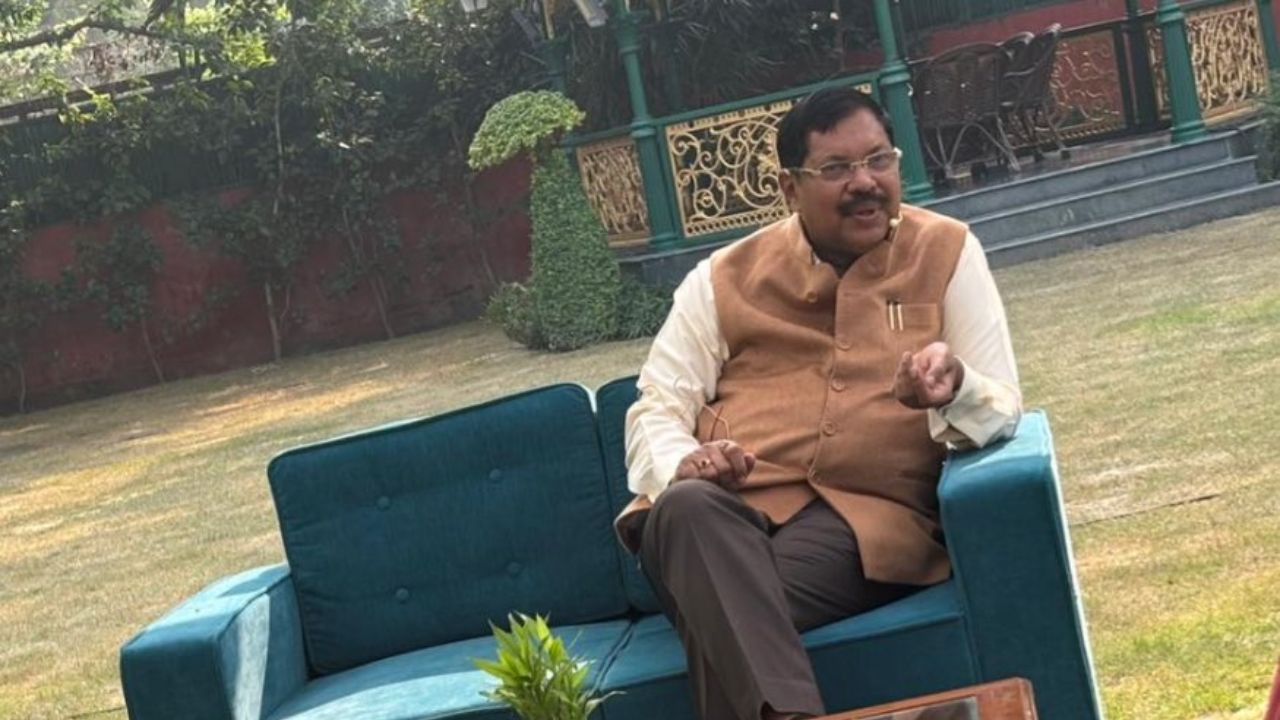
New Delhi: 52nd Chief Justice of India, BR Gavai, during an informal interaction with legal journalists, addressed pressing issues concerning judicial independence, the role of Governors in the legislative process, the influence of social media, and his personal values shaped by Dr BR Ambedkar. He also shared his retirement plan with the journalists.
When asked about the ongoing matter involving Judge Yashwant Varma, CJI Gavai refrained from commenting, stating that the issue is currently before the Parliamentary Committee.
CJI B.R. Gavai, responding to a question during an informal interaction with legal journalists, said he would not comment on the Judge Yashwant Varma matter, stating that the issue is currently before the Parliamentary Committee. pic.twitter.com/vRfyzVVS4M
— Dynamite News (@DynamiteNews_) November 23, 2025
The Chief Justice reiterated the importance of maintaining judicial independence, stating that “Independence of the judiciary is essential to maintain the public’s trust.”
“Independence of the judiciary is essential to maintain the public’s trust,” says CJI B.R. Gavai during an interaction with legal journalists. pic.twitter.com/TBaru6gcxA
— Dynamite News (@DynamiteNews_) November 23, 2025
CJI Gavai also touched upon the role of a Governor in the legislative process, particularly regarding the assent of Bills passed by the state legislature. He said Governor cannot hold a Bill indefinitely, nor can a strict timeline be imposed, “there must be a balance. The Governor has to decide within a reasonable period.”
CJI B.R. Gavai says a Governor cannot hold a Bill indefinitely, nor can a strict timeline be imposed — “there must be a balance. The Governor has to decide within a reasonable period.” pic.twitter.com/pW46VDDTfl
— Dynamite News (@DynamiteNews_) November 23, 2025
Addressing the influence of social media, CJI Gavai said, “The challenges posed by social media are not limited to the judiciary; they touch every institution and section of society. Like any powerful tool, social media carries both significant benefits and serious drawbacks.”
DN Exclusive: How is the Chief Justice of India appointed? Click for details
Reflecting on his personal and professional values, he noted the influence of his father, stating, “My father was a devoted follower of Dr BR Ambedkar, whose ideals of social justice and nation-building deeply influenced him. Growing up with those values has profoundly shaped my worldview and continues to guide me as a judge and even today.”
On judicial appointments, CJI Gavai emphasized the robustness of the collegium system, saying, “I don't see any need for reform of the collegium. The High Court collegium also provides input into the appointment of judges. Input is also sought from the IB. Every precaution is taken, and then judges are appointed.”
Regarding his retirement, CJI Gavai stated, “I have already made it clear that I will not accept any post-retirement assignment after completing my tenure as Chief Justice. I plan to take a brief break of 8–10 days and then focus on the commitments I have set for myself. There is no purpose in dwelling on what is not possible. I was well aware of my retirement date, so I had prepared an outline of what I wanted to accomplish. I am retiring with great satisfaction.”
Who is Justice Surya Kant? A look at life of next CJI journey
Chief Justice of India BR Gavai is retiring today on Sunday. Friday was his last working day at the Supreme Court where he delivered an emotional farewell address.
Justice Surya Kant will succeed Justice BR Gavai and assume office as the Chief Justice of India tomorrow, Monday. He will have a tenure of approximately 14 months.

