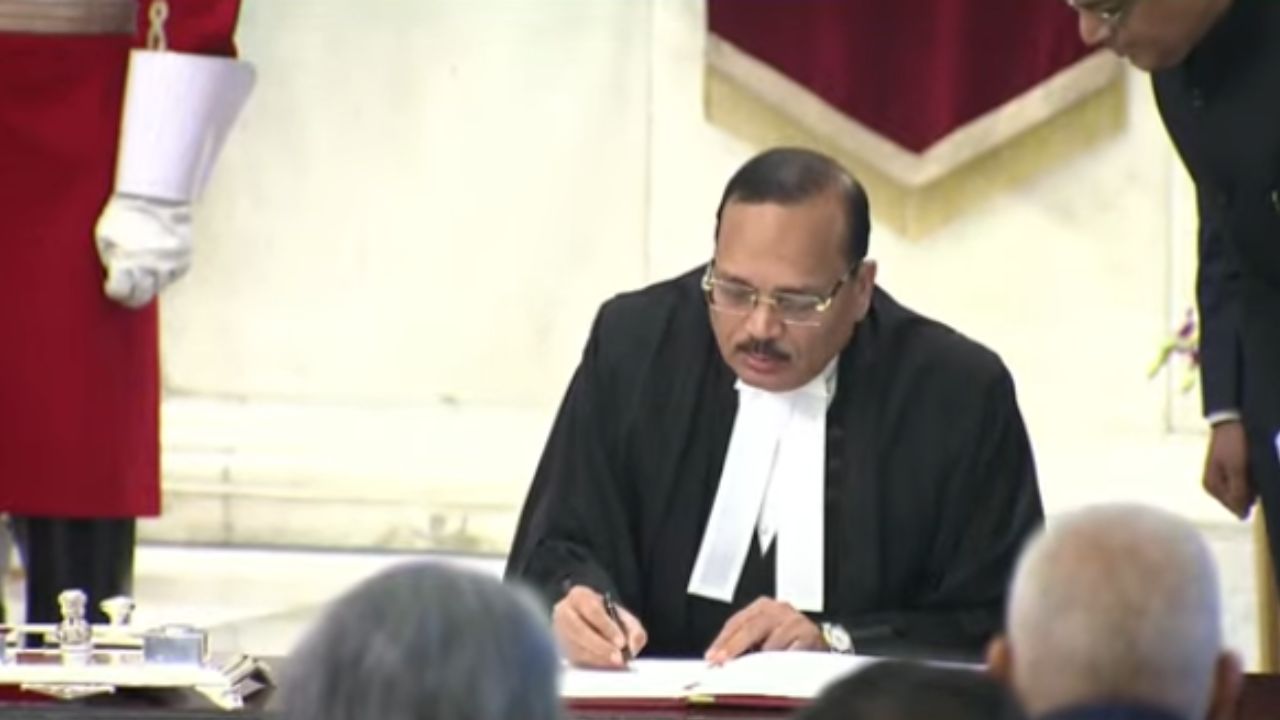
Justice Surya Kant, 53rd Chief Justice of India
New Delhi: The Supreme Court of India heard a petition challenging the University Grants Commission’s (UGC) new regulations aimed at preventing caste-based discrimination in higher educational institutions. During the hearing on January 29, 2026, Chief Justice of India (CJI) Surya Kant expressed strong concern over certain provisions of the rules, especially suggestions that could deepen social divisions rather than promote equality.
The bench, comprising CJI Surya Kant and Justice J. B. Pardiwala (Justice Jomolya Bagchi as per record), examined whether the new regulations align with the constitutional guarantee of equality under Article 14.
A key moment during the hearing came when a proposal suggesting separate hostels for students of different castes was mentioned. This visibly angered the Chief Justice. He questioned the very idea, saying that such thinking was regressive and contrary to decades of social progress.
CJI Surya Kant recalled that students from all castes earlier lived together in hostels, fostering understanding and social integration. He pointed out that inter-caste marriages are increasingly common today, and policies that encourage segregation could undo 75 years of efforts toward building a casteless and inclusive society.
The petitioner’s counsel, Advocate Vishnu Shankar Jain, specifically objected to Section 3(c) of the UGC regulations, which explicitly refers to Scheduled Castes (SC), Scheduled Tribes (ST), and Other Backward Classes (OBC). He argued that this provision excludes other social groups who may also face discrimination, thereby creating inequality rather than preventing it.
He further contended that Section 3(e) already provides a broad definition of discrimination, making a separate caste-specific clause unnecessary and potentially divisive.
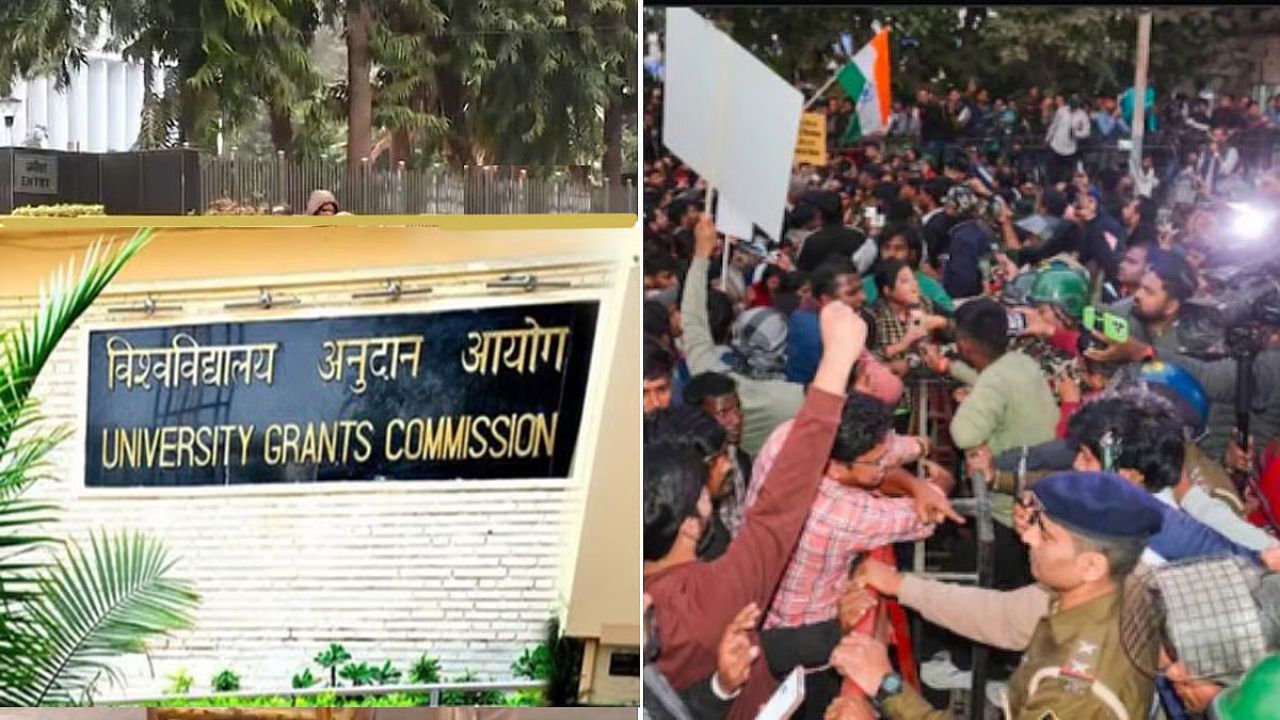
UGC’s new equity rules have triggered protests nationwide
The Chief Justice clarified that the court’s primary concern was not to deny protection to any group, but to examine whether the rules violate the principle of equality. The court questioned why discrimination was being assumed to affect only certain communities, when unfair treatment can occur on regional, cultural, or other social grounds as well.
The CJI gave examples of students from South India or the North-East facing insensitive remarks in North Indian colleges, asking whether such cases were adequately covered under the new rules.
Another major issue raised during the hearing was the absence of ragging from the new UGC framework. One lawyer argued that if a general category student is ragged by seniors from a reserved category, the rules provide no protection. Worse, the victim could be falsely accused of discrimination.
The bench questioned why ragging—often the root cause of harassment and abuse in campuses—was excluded, while caste-based discrimination alone was singled out.
Addressing Solicitor General Tushar Mehta, the court asked the Centre to explain why caste-based discrimination was separately defined when a comprehensive definition already existed. The Supreme Court indicated it was considering a temporary stay on the contentious provisions and emphasized the need for rules that are inclusive, balanced, and fair to all students.
Why UGC’s new equity regulations triggered nationwide student protests? Explained
On January 13, the UGC introduced the UGC (Equity) Regulations, 2026, aimed at eliminating caste-based discrimination in higher education institutions. While the intention was to promote equality, the regulations have triggered protests and legal challenges across the country, with critics arguing that some provisions may unintentionally encourage social segregation.


