 English
 English

UGC’s new equity rules have triggered protests nationwide
New Delhi: The University Grants Commission’s (UGC) newly notified equity regulations have sparked widespread protests across university campuses, with students taking to the streets and social media to voice their opposition.
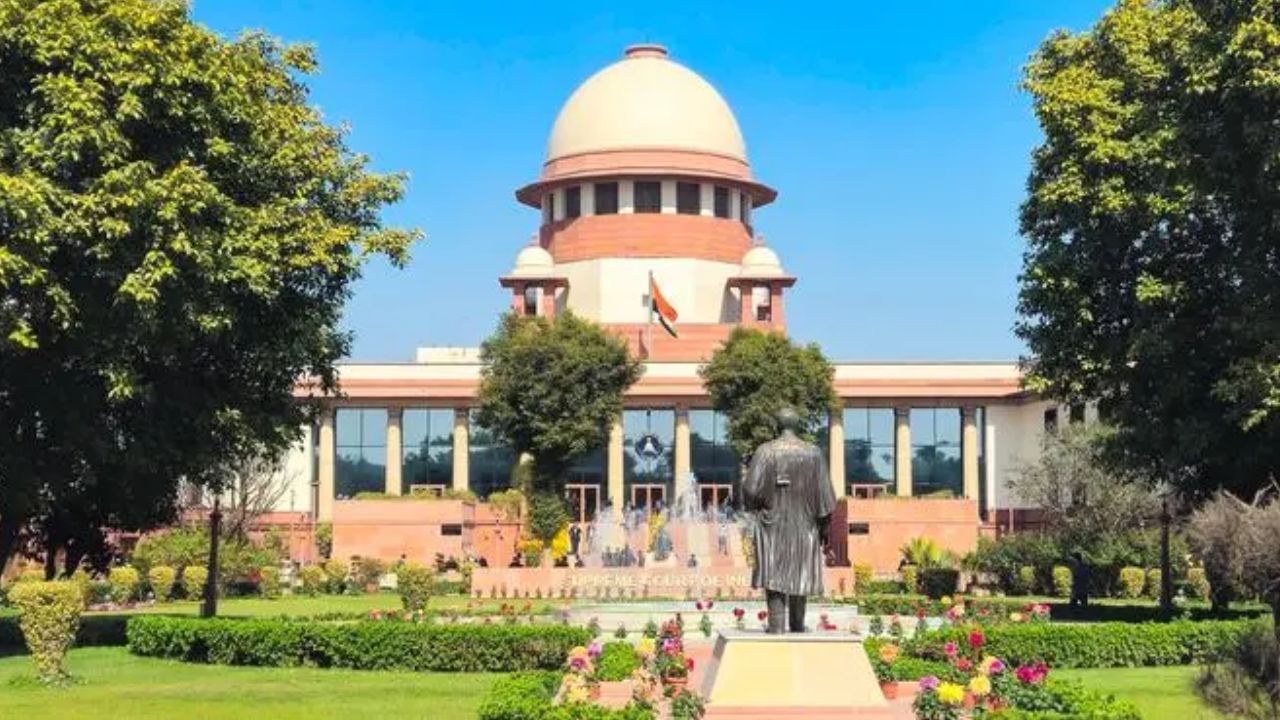
The regulations, aimed at promoting fairness and addressing discrimination in higher education institutions, have also been challenged in the Supreme Court.
On January 13, the government notified the UGC (Promotion of Equity in Higher Education Institutions) Regulations, 2026. Under these rules, all higher education institutions (HEIs) are required to establish Equity Committees to address complaints related to discrimination and ensure inclusivity on campus.
UGC 2026 Row: SC agrees to hear plea against equity rules over caste discrimination definition
Each committee must include representatives from Scheduled Castes (SCs), Scheduled Tribes (STs), Other Backward Classes (OBCs), persons with disabilities (PwDs), and women. Unlike the earlier 2012 regulations, the 2026 rules are mandatory and expand the scope of caste-based discrimination to explicitly include OBCs.
The regulations also mandate the creation of an Equal Opportunity Centre in every HEI, to be run by the Equity Committee. These centres will promote equality among students and staff, spread awareness about government welfare schemes, and assist students from disadvantaged backgrounds with academic and financial support.
Additionally, institutions must set up an online complaint portal and an Equity Helpline to report discrimination. Notably, the new framework removes the earlier provision that allowed punishment for false complaints, a move that has drawn criticism from some student groups.
According to the UGC, complaints of caste-based discrimination have increased significantly in recent years. Official data shows that such complaints rose by over 118 per cent in five years from 173 cases in 2019-20 to 378 in 2023-24. In total, 1,160 complaints were received from universities and colleges across the country during this period.
The UGC argues that the new rules are necessary to strengthen monitoring, accountability, and enforcement mechanisms that were missing under the non-mandatory 2012 regulations.
The protests are largely being led by students from general or unreserved categories, who argue that the regulations could be misused and may not provide equal protection to all students. Critics claim the definition of caste-based discrimination is narrow and applies mainly to reserved categories.
‘No One Will Be Discriminated Against’: Centre clarifies stand amid UGC regulation row
A petition filed in the Supreme Court challenges the rules, arguing that certain provisions exclude discrimination faced by students outside SC, ST, and OBC categories.
Union Education Minister Dharmendra Pradhan has sought to allay concerns, assuring that the regulations will not be misused. He stated that no one would face harassment and that the intent of the rules is to ensure fairness and prevent discrimination on campuses.
If an institution violates the regulations, the UGC can order an inquiry. Proven non-compliance could result in denial of UGC funding or even removal from the list of recognised higher education institutions.