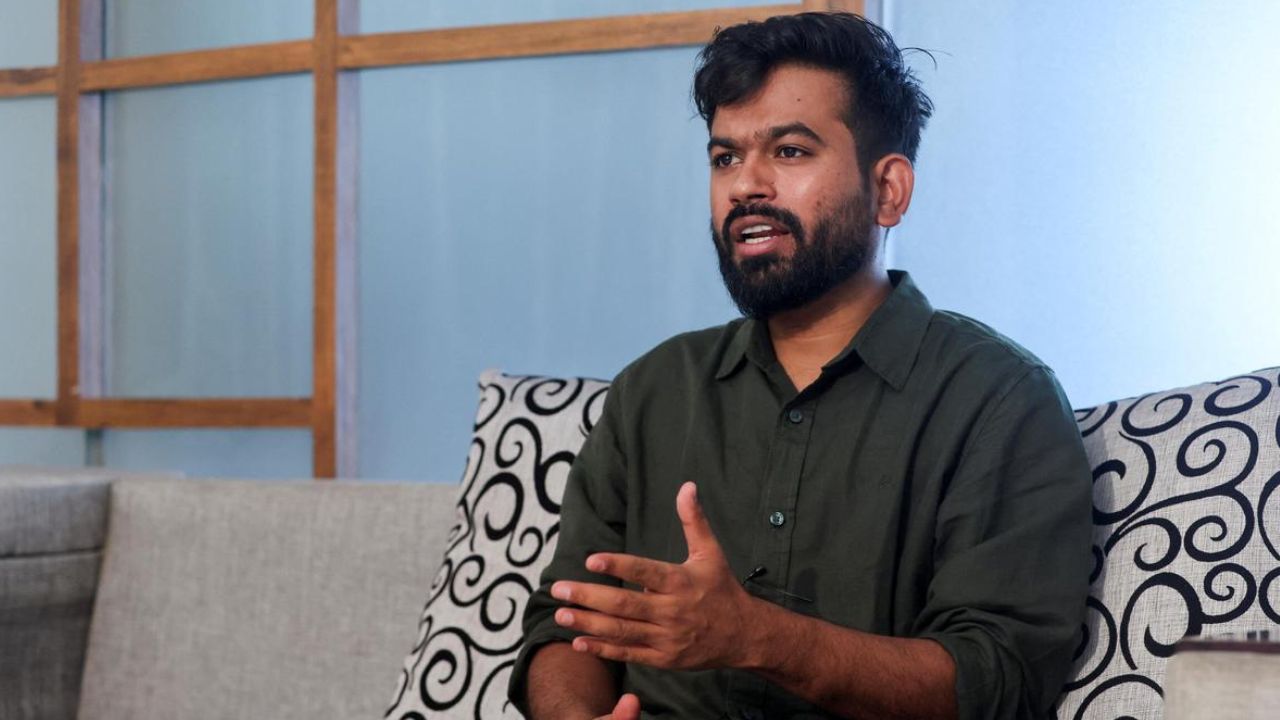
Cockroach Janta Party (CJP) founder Abhijeet Dipke (Img: X)
New Delhi: Cockroach Janta Party (CJP) founder Abhijeet Dipke has criticised the security and transport restrictions introduced ahead of the party’s planned protest at Jantar Mantar against Chief Election Commissioner Gyanesh Kumar. Dipke has alleged that the measures reflect concerns within the government about public dissent and political opposition, intensifying the debate over the right to protest and electoral accountability.
The controversy centres on the CJP’s campaign for free and fair elections, its demand for Gyanesh Kumar’s resignation and concerns surrounding the Special Intensive Revision (SIR) of electoral rolls. The restrictions have also raised questions about the impact of large-scale security arrangements on commuters, public transport and access to protest venues in the national capital.
In a post on X, Dipke questioned the need for extensive security measures ahead of the planned CJP demonstration. He alleged that the government was concerned about public anger and claimed that Prime Minister Narendra Modi was worried about a possible electoral backlash.
Dipke also questioned reports of transport disruptions, road blockades, restrictions affecting Metro services and internet curbs. He argued that such measures could discourage people from joining the demonstration and limit public participation.
Speaking to news agency ANI, the CJP founder raised concerns about the deployment of security personnel in Delhi. He claimed that forces had been brought from Jammu and Kashmir and areas affected by Left-wing extremism to manage the situation.
These remarks represent Dipke’s allegations and political assessment. The scale and scope of the measures, as well as the reasons behind individual restrictions, need to be assessed against official statements and verified information.
The proposed protest is linked to the controversy surrounding the Special Intensive Revision of electoral rolls and the CJP’s demands for greater accountability in election administration.
The party has called for Gyanesh Kumar’s resignation, arguing that concerns over electoral processes need to be addressed. The issue has added to the wider political debate about voter-list revisions, election transparency and public confidence in democratic institutions.
Electoral roll revisions are an important part of election administration because voter lists determine eligibility to participate in elections. Debates over the process can therefore have significant implications for citizens, political organisations and the institutions responsible for conducting elections.
The CJP has maintained that it will continue its campaign despite the restrictions and the possibility of detention or arrest. The planned demonstration has consequently become a flashpoint in the broader discussion over electoral reform and political dissent.
Dipke has argued that citizens should be able to participate in peaceful demonstrations without intimidation. He referred to Article 19 of the Constitution, which protects freedom of speech and expression and the right to assemble peacefully and without arms, subject to constitutionally permitted reasonable restrictions.
The CJP founder also alleged that people were being picked up from trains and that warnings were being issued in residential societies to discourage participation. He further claimed that police personnel were visiting homes to advise residents against joining the protest.
These claims require independent verification. Nevertheless, they have brought renewed attention to the balance between maintaining public order and protecting citizens’ ability to participate in peaceful political demonstrations.
The constitutional position is not that every protest can take place without restrictions. Authorities can impose legally permissible conditions, while questions about the necessity and proportionality of particular measures remain open to scrutiny.
As per Delhi Police, permission was denied for the proposed Jantar Mantar demonstration on grounds of the timing of the application and concerns involving public safety, traffic management and law and order. It further mentioned the short notice given before the planned event and the requirement for advance notice under applicable guidelines.
Security preparations also involved traffic diversions and measures affecting access to parts of central Delhi. Reports of changes to public transport arrangements added to concerns about inconvenience for commuters and travellers.
For residents, the practical impact of such measures can extend beyond the protest venue. Road closures, diversions and restrictions around busy public areas can affect daily journeys, access to workplaces and travel plans. The dispute has raised two connected questions: how authorities should prepare for a large demonstration and how they can minimise disruption to people who are not participating in it.
Dipke has said he is prepared to face detention or arrest if the authorities take action against him. He has maintained that the CJP will continue to demand electoral accountability and advocate free and fair elections. His remarks underline the confrontation between the protest organisers and the authorities over the planned demonstration.
They also place the CJP’s campaign within a wider debate about the role of political organisations and young activists in raising questions about election administration. Whether the demonstration proceeds as planned, and how authorities respond to any gathering, will be important developments in the unfolding dispute.
The immediate focus remains on the authorities’ handling of the planned protest, the enforcement of restrictions and the CJP’s response to the denial of permission. The controversy could also sustain wider debate over the Special Intensive Revision of electoral rolls, the accountability of election officials and the conditions under which peaceful demonstrations are permitted in the national capital.
For Delhi residents, the key concern is the effect of security arrangements on transport, traffic and access to public spaces. For political observers, the episode highlights the continuing debate over electoral transparency, public trust and the exercise of constitutional freedoms.
Dipke’s allegations about the government’s motives remain his political claims, rather than established facts. The broader issues of protest permissions, security planning and electoral accountability will depend on verified developments and the responses of the authorities concerned.

