English
 English

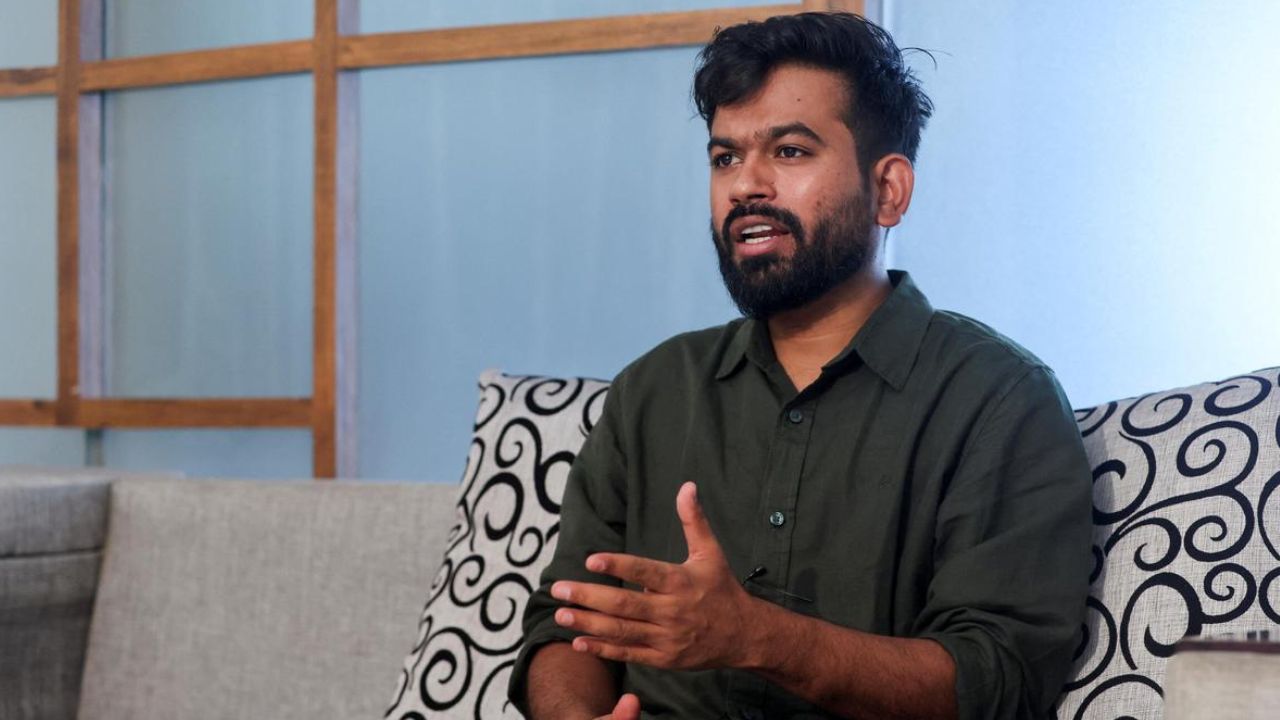
Abhijeet Dipke, Saurav Das and Ashutosh Ranka reportedly detained ahead of the protest against Chief Election Commissioner Gyanesh Kumar. (Img: X)
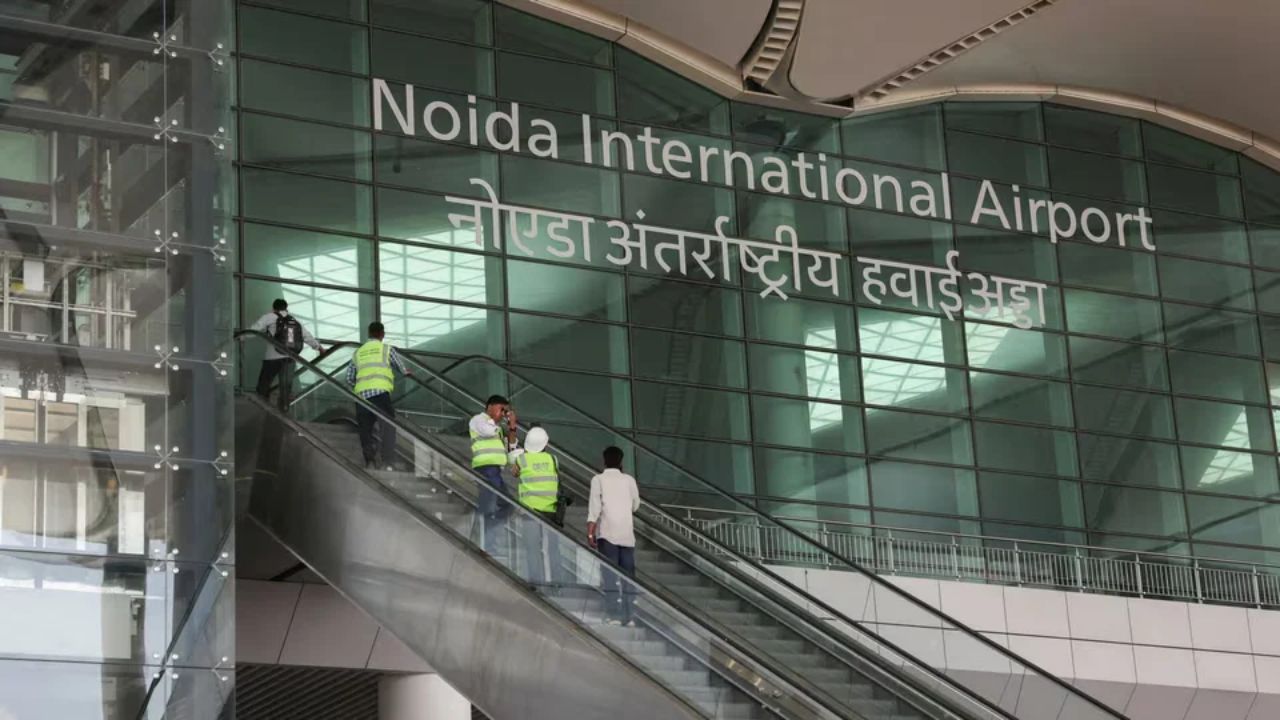
New Delhi: The Cockroach Janta Party (CJP) has claimed that its founder Abhijeet Dipke, Saurav Das and Ashutosh Ranka were detained at Indira Gandhi International Airport on Saturday, October 10, ahead of their planned protest at Jantar Mantar against Chief Election Commissioner Gyanesh Kumar.
The reported detentions have intensified the confrontation between the CJP and authorities, bringing renewed attention to electoral accountability, restrictions on political demonstrations and the constitutional right to peaceful assembly.
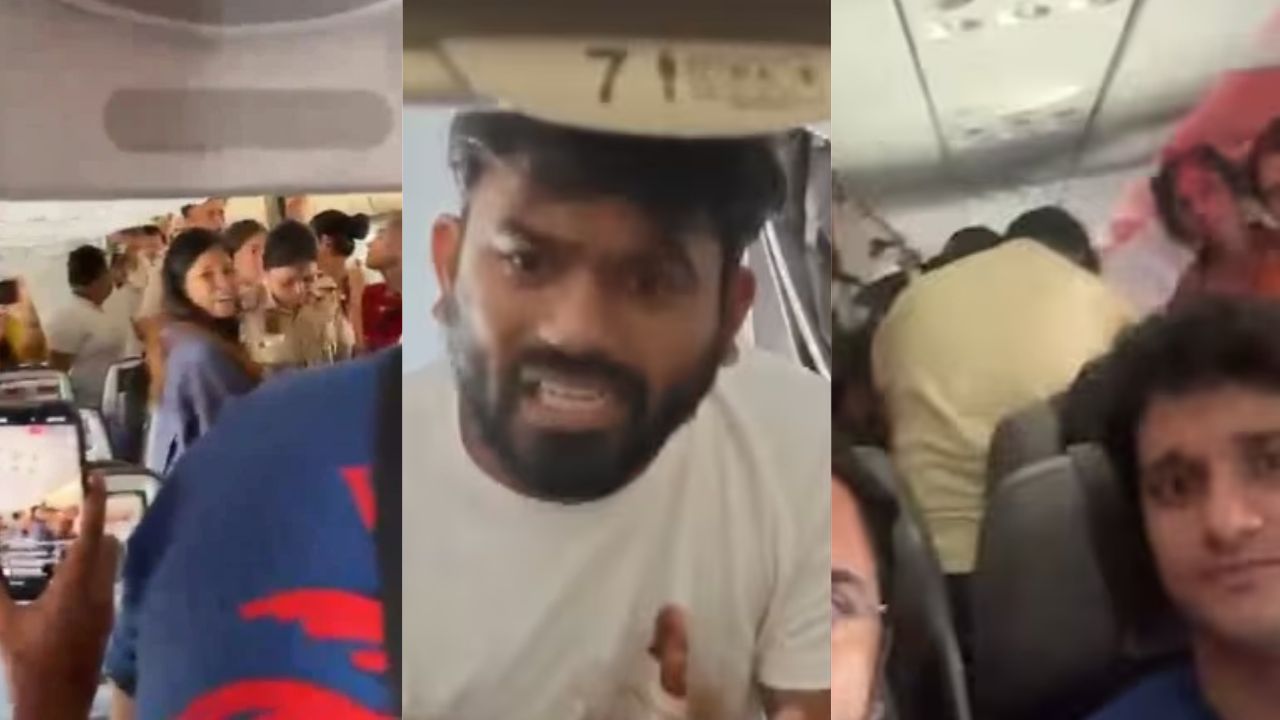
According to the CJP, police personnel entered the aircraft carrying Dipke after it landed at Delhi airport. During the encounter, Dipke reportedly told the police that he had come to Delhi to be arrested and challenged them to take him into custody.
The CJP founder also reportedly described the action as dictatorship, comparing the situation with the restrictions associated with former Prime Minister Indira Gandhi’s Emergency era. The reported detention of the three leaders came ahead of the party’s planned demonstration at Jantar Mantar, despite the denial of permission for the protest.
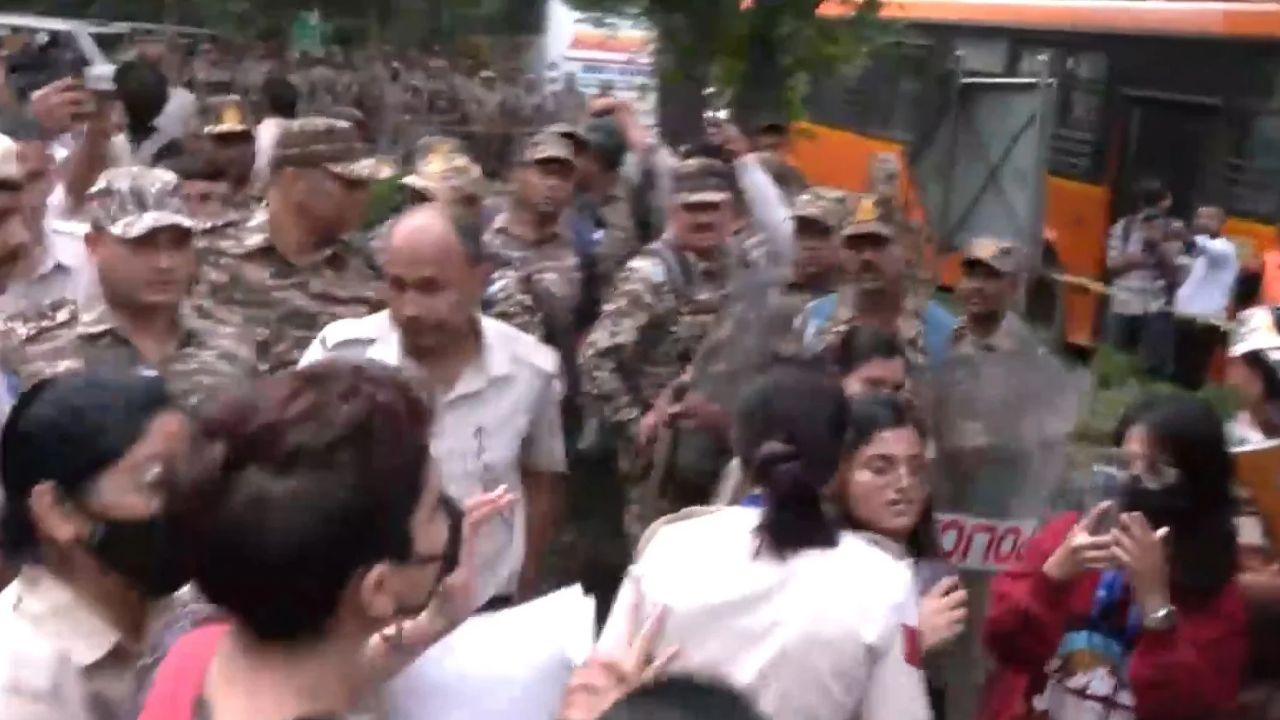
The CJP claims that Abhijeet Dipke, Saurav Das and Ashutosh Ranka were detained after arriving in Delhi ahead of the planned demonstration. The reported action came amid heightened security preparations to prevent an unauthorised gathering in central Delhi.
Delhi Police reportedly denied permission for the protest, citing concerns related to public safety, traffic management and law and order. The timing of the application and compliance with applicable guidelines were also cited as concerns. The CJP has criticised the restrictions, arguing that the measures could discourage people from participating in a peaceful political demonstration.
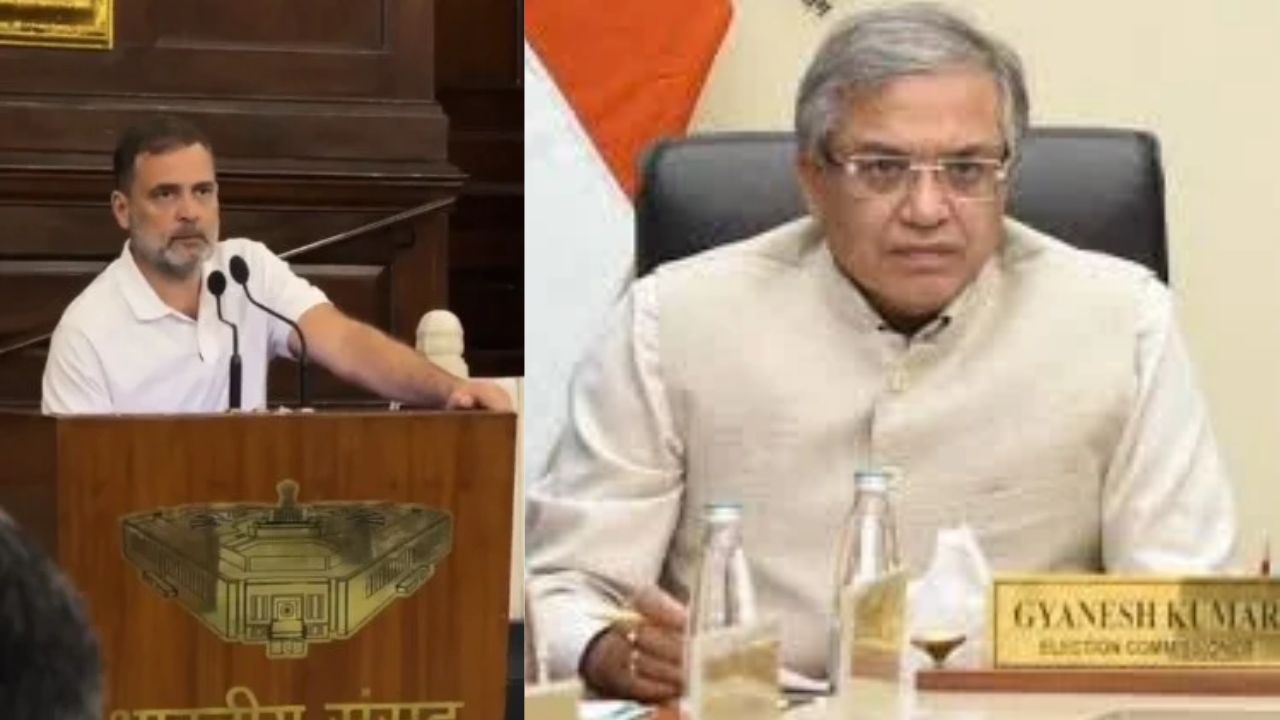
The planned protest centres on the CJP’s demand for the resignation of Chief Election Commissioner Gyanesh Kumar and concerns surrounding the Special Intensive Revision (SIR) of electoral rolls.
The party has raised questions about electoral accountability, voter-list revisions and public confidence in election administration. Its campaign has brought these issues into the wider debate over free and fair elections.
The reported detentions have added a new dimension to the controversy, with the party’s campaign now drawing attention to protest permissions and the authorities’ handling of political dissent.
Security arrangements were tightened across parts of Delhi ahead of the planned demonstration. Reports of traffic restrictions, checks and measures affecting access to some Metro stations raised concerns about the impact on ordinary commuters.
Such arrangements can affect office workers, students, travellers and residents who need to move through central Delhi. The situation has also renewed questions about how authorities can manage security risks while minimising disruption to daily life.
The controversy has brought the constitutional right to peaceful assembly into focus. Article 19 of the Constitution protects freedom of speech and expression and the right to assemble peacefully and without arms, subject to constitutionally permitted reasonable restrictions.
Authorities can impose lawful conditions to maintain public order. However, the circumstances surrounding the reported detentions and the proportionality of the restrictions remain important questions in the developing dispute.
The CJP has criticised the authorities’ response, while the police have cited procedural and law-and-order concerns.
The immediate focus is on the current status of Dipke, Das and Ranka, the police response to the CJP’s claims and the future of the planned demonstration. Further official statements and updates on the leaders’ status could determine the next stage of the confrontation. The controversy is also likely to keep electoral accountability, protest permissions and public order in the spotlight.
For Delhi residents, the immediate concern is the impact of security measures on travel and access to public spaces. For political observers, the episode highlights the continuing debate over election administration and the exercise of democratic freedoms. The reported airport detentions have become a major development in the CJP protest row. The circumstances surrounding the incident and the authorities’ next steps will be crucial in determining how the dispute unfolds.