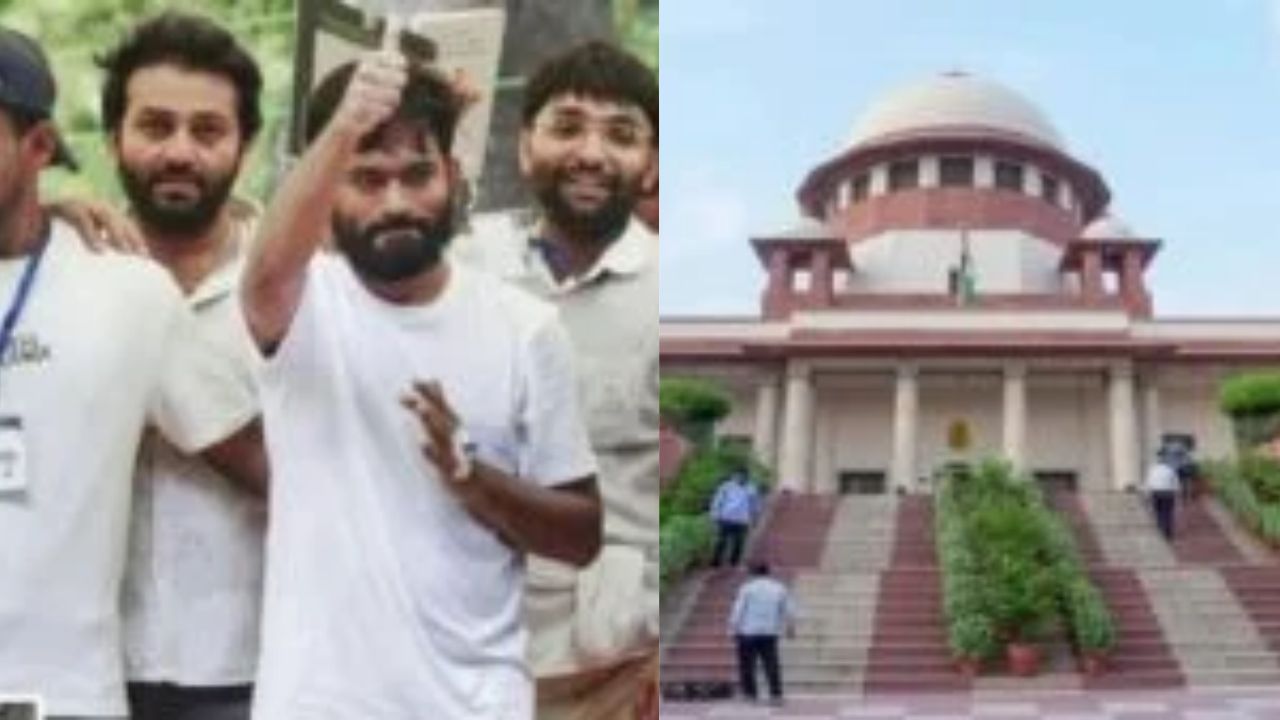
New Delhi: The Delhi Police on Tuesday defended its action during the July 20 CJP-led student protest at Jantar Mantar, telling the Supreme Court that no excessive force was used against protesters. The police claimed that the situation turned challenging only after a large gathering allegedly broke through security barricades and attempted to move towards Parliament without permission.
The matter has drawn attention as the Supreme Court hears petitions alleging police excesses during the protest organised over the NEET paper leak issue. In its affidavit filed before the apex court, Delhi Police explained the circumstances behind its crowd-control measures, deployment strategy and use of force.
The affidavit was submitted by Deputy Commissioner of Police Sachin Sharma and has been filed as a common response in four connected petitions seeking a Supreme Court-monitored inquiry into the alleged police action.
According to Delhi Police, more than 30,000 protesters gathered around the Jantar Mantar area during the demonstration on July 20. The police said the crowd spread across nearly three kilometres, creating a major challenge for maintaining law and order in a high-security zone of the national capital.
To handle the situation, around 5,000 police personnel were deployed for crowd management, security arrangements, traffic regulation and protection of sensitive government areas.
The police stated that the protest remained peaceful initially but later escalated after sections of protesters allegedly breached multiple layers of barricades and attempted to proceed towards Parliament.
Delhi Police told the Supreme Court that the proposed march towards Parliament had not received official approval. According to the affidavit, the attempt to move towards the high-security area after breaking barricades created a serious law-and-order situation.
The police claimed that officers were required to respond to prevent further escalation and ensure that the protest did not spread to nearby areas or affect security arrangements around Parliament.
Officials maintained that the force used during the incident was "graded" and proportionate to the circumstances on the ground.
The Delhi Police affidavit highlighted injuries suffered during the confrontation between protesters and security personnel. According to the police, more than 240 police personnel and uniformed officers were injured during the clashes, while around 200 protesters and members of the public also sustained injuries. The police argued that the scale of the crowd and the intensity of the situation must be considered while examining allegations of excessive force.
The police alleged that the situation became uncontrollable after some protesters crossed security barriers and attempted to move forward towards restricted areas. Delhi Police claimed that certain anti-social elements and individuals with previous criminal backgrounds were present during the protest and contributed to the escalation of violence.
The affidavit stated that some groups allegedly targeted police personnel, removed protective gear from officers and pushed security officials during the clashes. The police said its priority was to restore normalcy and prevent disruption around important government locations.
Delhi Police also questioned the material submitted in petitions challenging its action during the protest. The police claimed that several photographs, video clips and social media posts showed only selected moments and did not present the complete sequence of events.
According to officials, such visuals did not reflect the challenges faced by police personnel during crowd control operations. The police maintained that the incident should be examined through verified evidence and the full context of the situation.
The alleged use of nail-fitted lathis during the protest was another issue raised in connection with the police action. Delhi Police denied that its personnel used such weapons and claimed that videos available from the incident showed only one such object, which was allegedly carried by a protester.
The police stated that the object was a stick attached with the national flag and not a weapon used by security officials. Officials further said that lathis are authorised crowd-control equipment and were used only as part of efforts to control an allegedly violent situation.
Delhi Police also explained the presence of officers in plain clothes carrying lathis during the protest. The affidavit stated that personnel from the Special Branch, Special Cell, Crime Branch and local police teams were deployed as spotters inside the crowd because of the sensitive nature of the demonstration.
Police said such intelligence-based deployment is a common security practice during major public gatherings, including Independence Day and Republic Day events. According to officials, these officers help monitor crowd movement, identify potential threats and support regular security teams during emergencies.
Delhi Police informed the Supreme Court that around 2,873 individuals linked to the protest had criminal cases registered against them. The police claimed that these cases include serious offences such as murder, attempt to murder, robbery, rape and offences registered under the Protection of Children from Sexual Offences (POCSO) Act.
A Special Investigation Team (SIT) formed by the Delhi Police Commissioner will examine these cases, according to the affidavit. The police also stated that it would cooperate with any committee constituted by the Supreme Court to examine allegations related to police action.
The use of facial recognition software during the protest also became part of the legal debate. Delhi Police defended the technology, describing it as a proportionate security measure and rejecting claims of mass surveillance.
The police stated that the system does not automatically create profiles of every person present at the protest site and is not used for indiscriminate monitoring of peaceful demonstrators. Officials said facial recognition results alone are not enough for legal action. Field verification is carried out to confirm whether an identified person was actually present at the protest location.
The police further clarified that the technology focuses on identifying individuals linked to serious criminal offences and does not target people involved only in minor violations such as traffic-related cases.

