English
 English

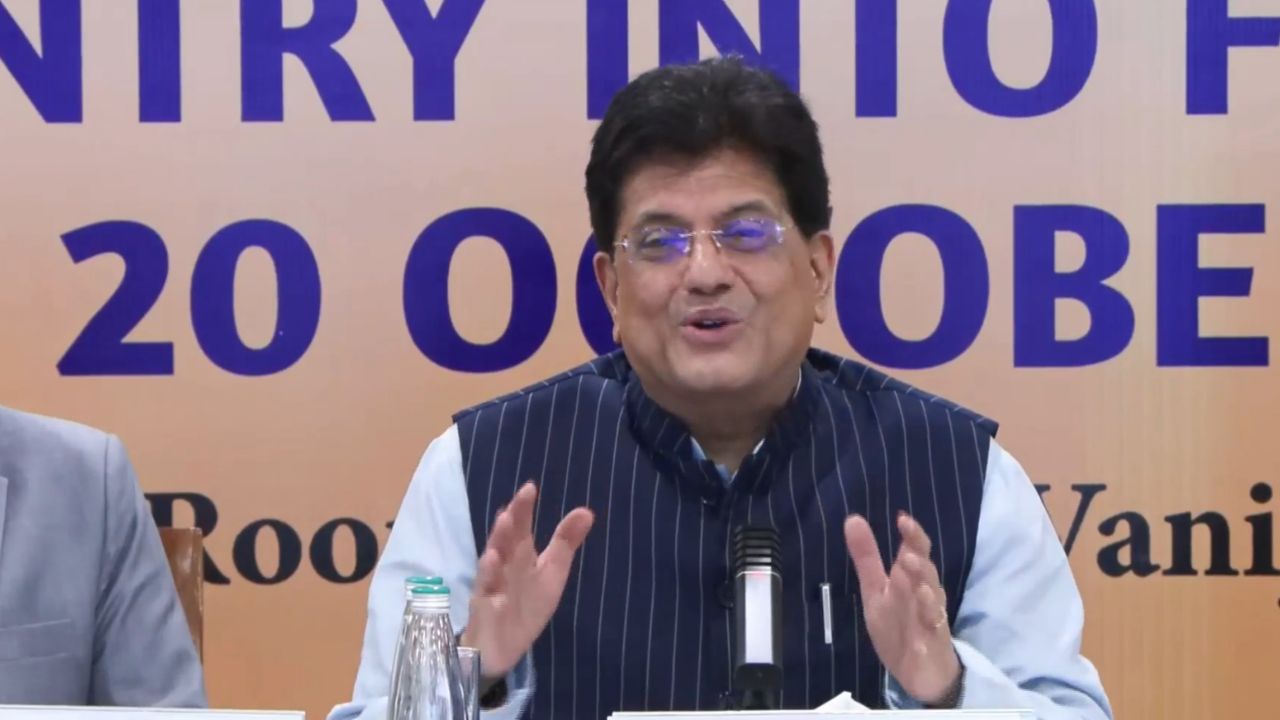
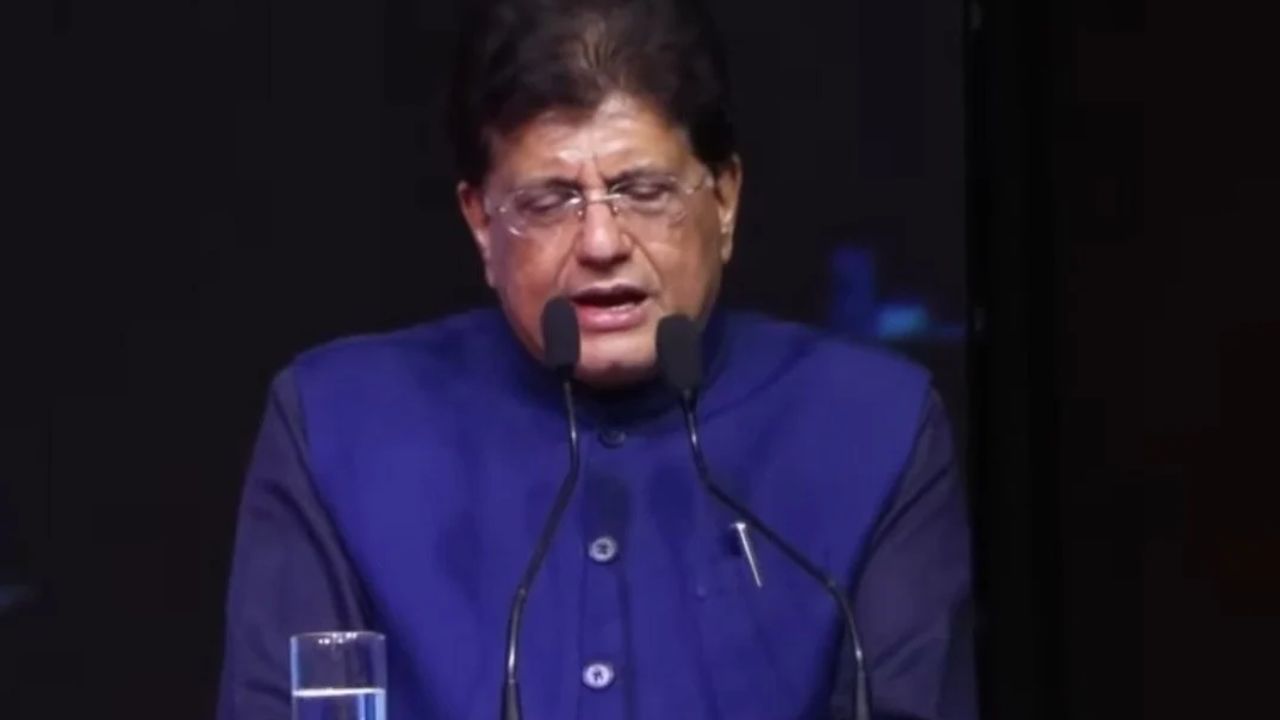
Piyush Goyal speaks at the Berlin Global Dialogue, calling for greater accountability from wealthy nations on climate action (Img X)
Berlin: Union Commerce and Industry Minister , Piyush Goyal has criticised developed countries for their historical contribution to global carbon emissions and their alleged failure to provide adequate financial assistance to developing nations to tackle climate change.
Speaking at the Berlin Global Dialogue on Friday, Goyal argued that wealthy nations should shoulder a greater share of the responsibility for addressing the climate crisis, given their industrial history and higher per capita emissions.
India is conscious of and committed to its role in climate action. https://t.co/ONx3nB0ik8
— Piyush Goyal (@PiyushGoyal) October 22, 2026
Highlighting India's share of global emissions, Goyal said the country accounts for nearly 17% of the world's population but contributes less than 3% of global carbon emissions.
He contrasted India's figures with those of Europe, arguing that developed economies have contributed disproportionately to environmental damage.
Goyal also pointed to the difference in per capita emissions, stating that India's per capita contribution remains significantly lower than Europe's. Moreover, he maintained that climate policies must account for differences in population, development levels and historical emissions.
Goyal raised concerns over the climate finance commitments made by developed countries under international climate negotiations. He recalled the pledge to mobilise $100 billion annually to help developing nations address climate change and reduce emissions.
The target was originally established in 2009, with a deadline of 2020, and was subsequently extended through 2025.
Questioning the delivery of promised assistance, Goyal accused developed nations of falling short of their commitments. He said developing countries, including vulnerable island nations in the Pacific and Caribbean require financial support to pursue climate action.
Goyal also criticised the European Union's Carbon Border Adjustment Mechanism (CBAM), which applies carbon-related charges to certain imports. He questioned whether such measures adequately consider the challenges faced by developing economies.
He argued that India must balance environmental commitments with the needs of its vast population, emphasising that climate action should reflect the differing responsibilities and capabilities of countries.