 English
 English

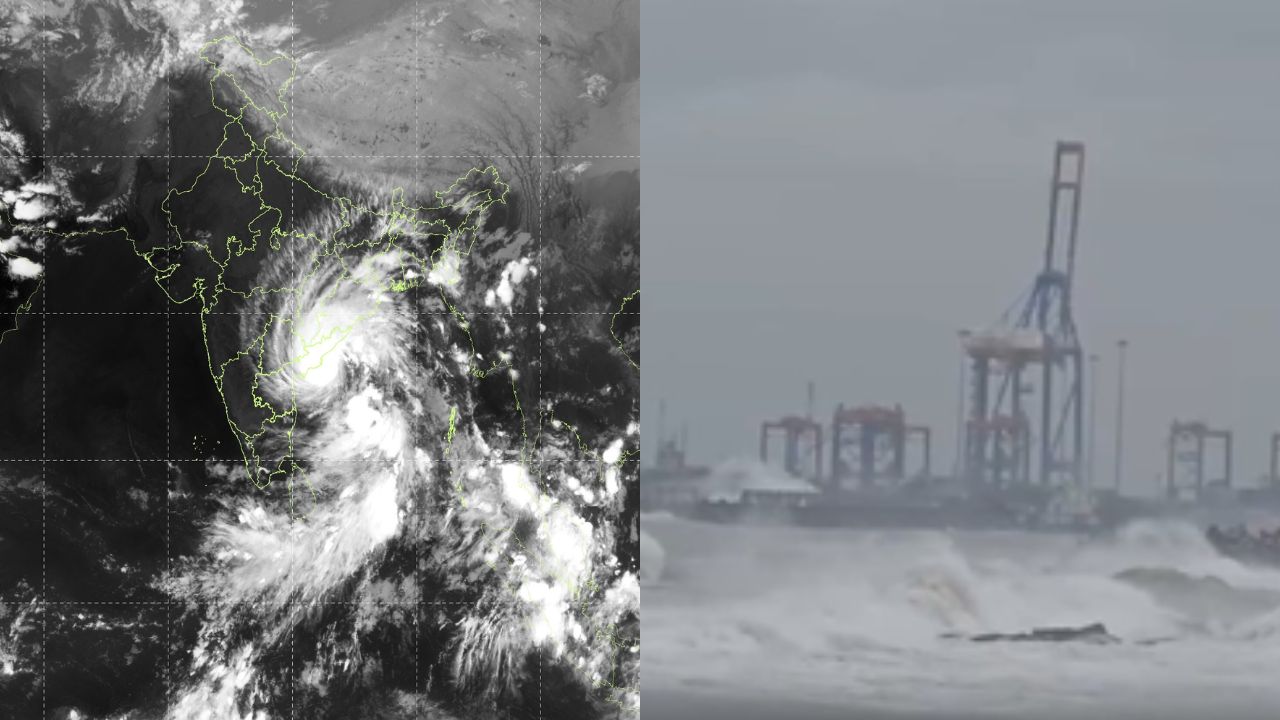
Cyclone Arnab brings heavy rainfall and powerful winds to coastal Andhra Pradesh as emergency operations intensify. (Img: X)
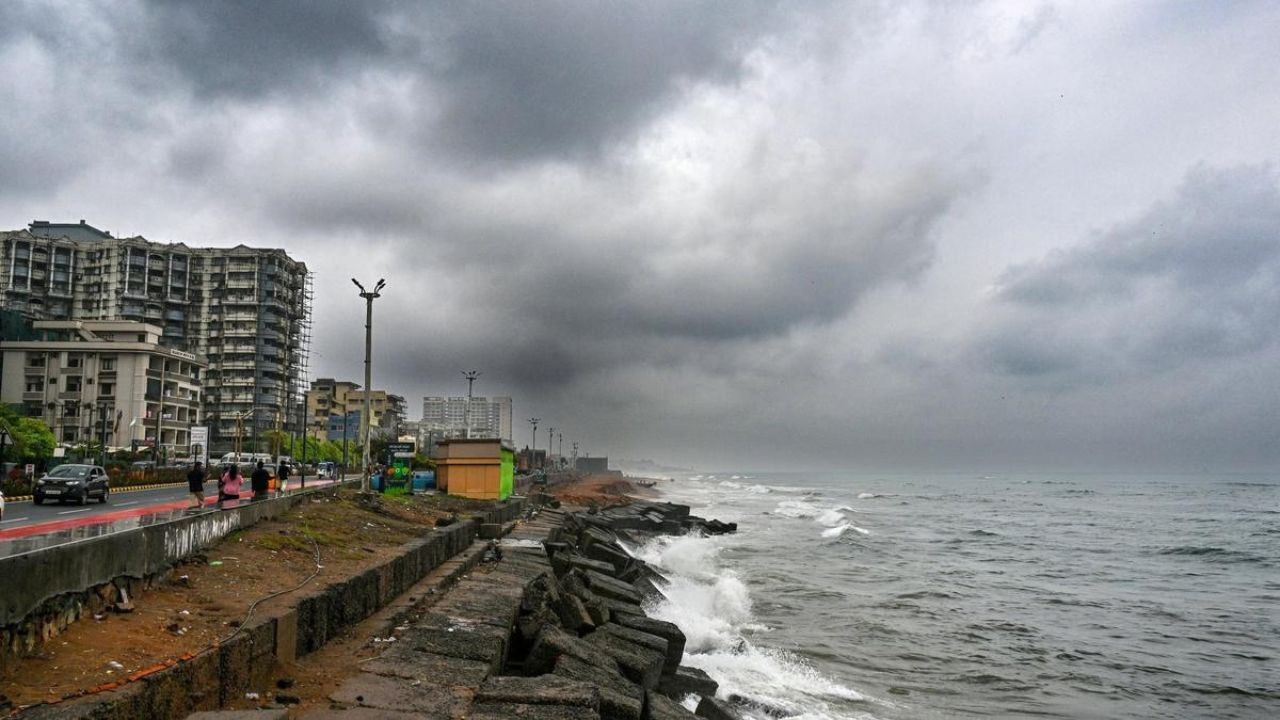
Kakinada: Cyclone Arnab made landfall near Narsapur in Andhra Pradesh’s West Godavari district at around 3 am on Wednesday, October 28, triggering heavy rainfall and strong winds across several coastal districts. Authorities have intensified evacuation and emergency response operations, with more than 84,000 people moved to shelters as a precautionary measure.
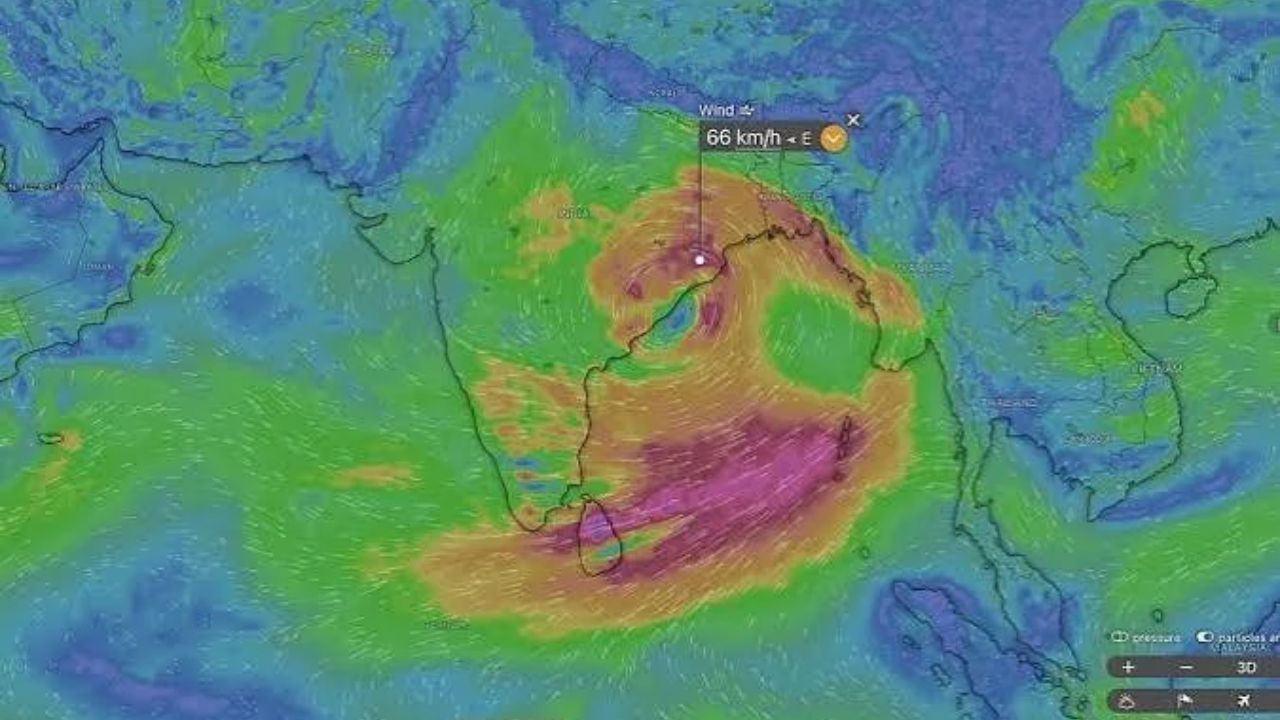
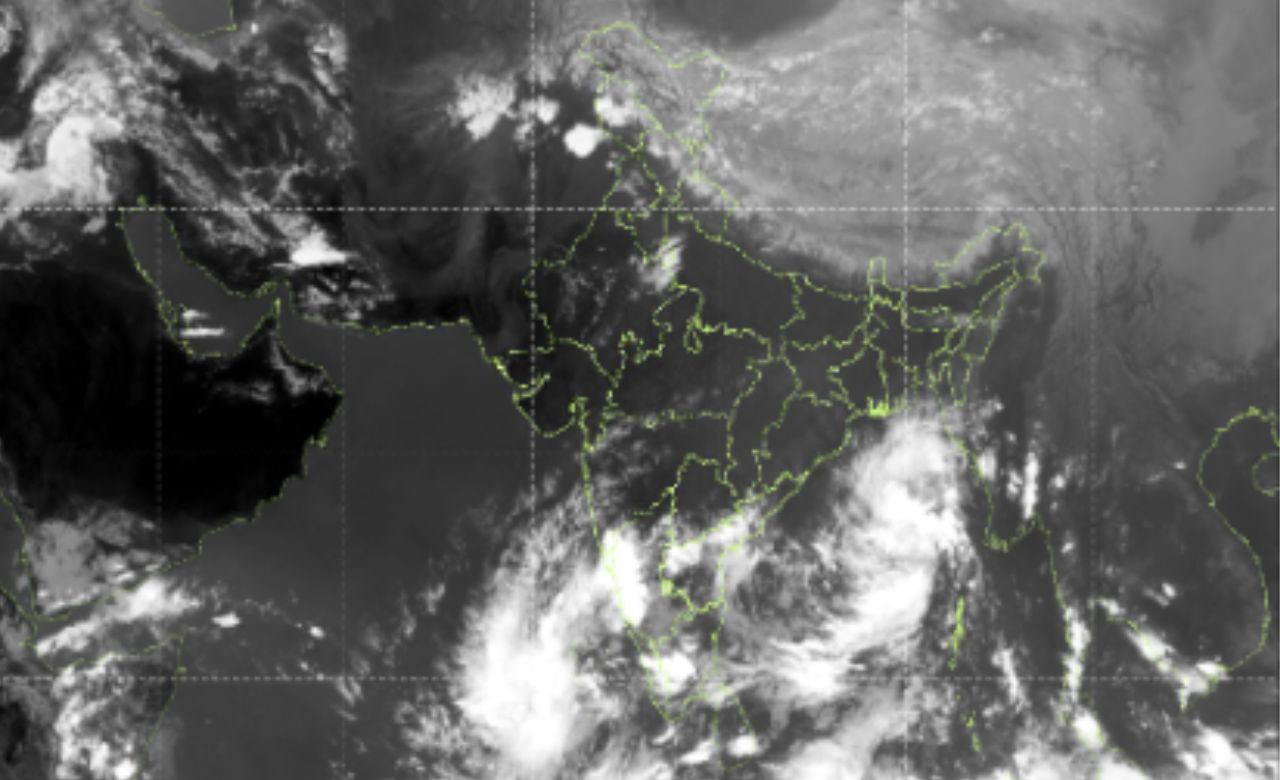
The India Meteorological Department (IMD) had advanced its landfall forecast after the storm gathered speed, warning that the cyclone would cross the north Andhra Pradesh coast between Bapatla and Visakhapatnam during the early hours of Wednesday. The weather system was expected to bring destructive winds, intense rainfall and a storm surge, raising concerns over flooding in low-lying coastal areas.
The Andhra Pradesh State Disaster Management Authority (APSDMA) warned that gale-force winds could reach speeds of up to 135 kmph in Kakinada, Konaseema and East Godavari districts. Heavy rainfall has affected several areas, including Polavaram, West Godavari, Eluru, NTR and Krishna districts.
The continuing impact of the cyclone has prompted authorities to maintain close surveillance of vulnerable areas and keep emergency response arrangements operational. Reports available during the initial landfall phase indicated that some old and uninhabited buildings had collapsed, although no injuries or fatalities had been reported at that stage.
Odisha has also strengthened its disaster-response arrangements as the cyclone’s impact extends beyond Andhra Pradesh. The state administration has relocated residents from vulnerable locations and established shelters to accommodate people displaced by the adverse weather.
Authorities have deployed disaster-response personnel and emergency teams to areas facing the risk of flooding, landslides and road blockages. District administrations have been instructed to remain vigilant and coordinate relief operations as heavy rainfall and gusty winds continue to affect parts of the state.
As part of precautionary measures ahead of the cyclone, Andhra Pradesh and Odisha imposed restrictions on fishing and suspended educational activities in affected districts. Rescue teams and emergency personnel were placed on standby to respond to reports of damage, flooding or disruption to essential services. Residents in coastal and low-lying areas have been advised to follow official warnings, avoid venturing into the sea and remain in designated shelters wherever evacuation orders have been issued.
The cyclone has raised concerns about flooding, damage to standing crops and disruption to transport and public utilities. Strong winds and persistent rainfall may also hamper movement on roads and complicate rescue operations in the worst-affected areas.
Authorities continue to monitor the cyclone’s progress and its impact on coastal communities, with the immediate priority being the safety of residents, the restoration of essential services and the prevention of further casualties.