 English
 English

SC denied bail to jailed activists Sharjeel Imam and Umar Khalid
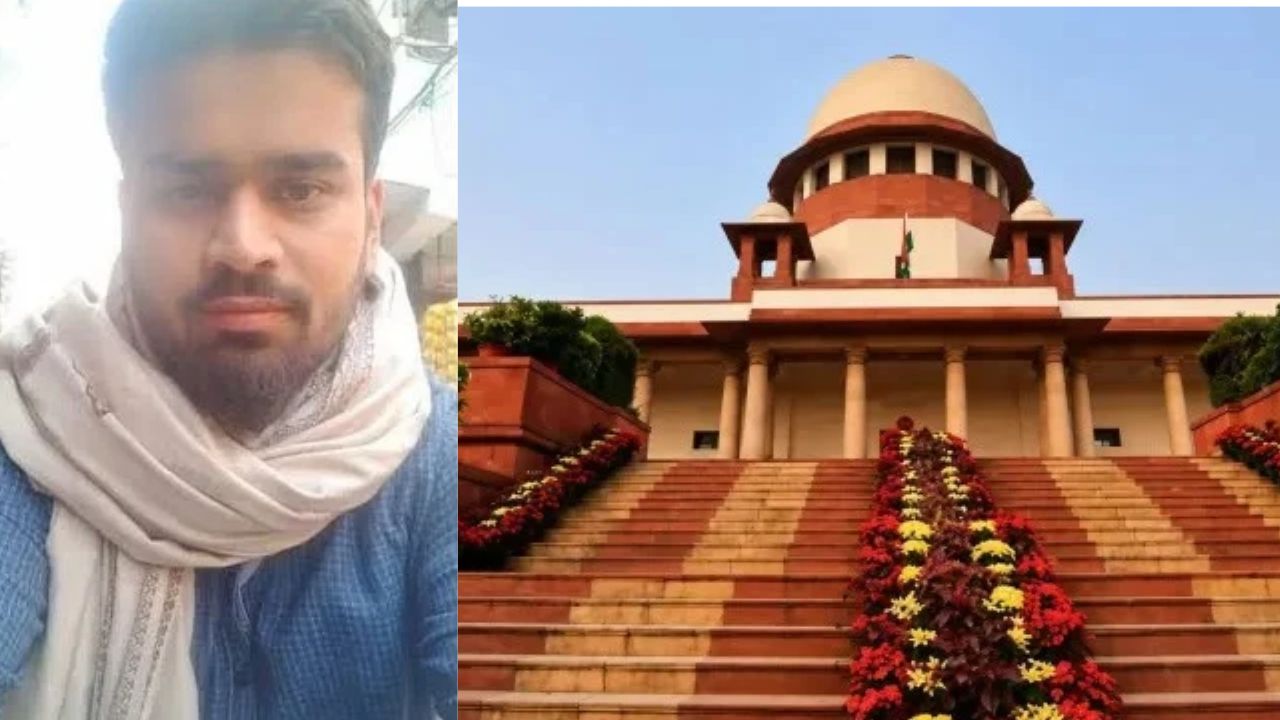
New Delhi: The Supreme Court on Monday denied bail to activists Umar Khalid and Sharjeel Imam, who are accused of playing a central role in the 2020 Delhi riots. However, the court granted conditional bail to five other co-accused, distinguishing between the level of involvement of different accused in the case.
The 2020 riots, which erupted in parts of northeast Delhi, followed weeks of tension around protests against the Citizenship (Amendment) Act (CAA). The violence led to multiple deaths and widespread damage to homes, shops, and places of worship. Khalid has been in custody since September 13, 2020, and Imam since January 28, 2020.
Delhi Riots Case: SC rejects Umar Khalid, Sharjeel Imam bail; Grants to others
The bench, comprising Justices Aravind Kumar and NV Anjaria, emphasized that Khalid and Imam played central and formative roles, involving planning, mobilisation, and strategic direction that went beyond isolated or localised acts.
Delhi Riots Case: SC says not all accused have equal footing in court. #SupremeCourt #DelhiRiots #JusticeMatters #LawAndOrder pic.twitter.com/Fg2Fhr1DM3
— Dynamite News (@DynamiteNews_) January 5, 2026
“To disregard the distinction between the central roles played by some accused and the facilitatory role played by other accused would itself result in arbitrariness,” the court said. The SC added that Khalid and Imam “stand on a qualitatively different footing as compared to other accused.”
The court granted bail to co-accused Gulfisha Fatima, Meeran Haider, Shifa Ur Rehman, Mohd. Saleem Khan, and Shadab Ahmad, while noting that the bail does not dilute the seriousness of allegations. “If conditions are violated, the trial court will be at liberty to cancel the bail after hearing the accused,” the bench stated.
The top court also referred to Section 43D(5) of the UAPA, which imposes stricter conditions for granting bail compared to ordinary criminal cases. The court clarified that while the statute sets high thresholds, it does not exclude judicial scrutiny or automatically deny bail.
On the defense’s argument regarding delays in trial, the court said such delays do not serve as a “trump card” under the UAPA and cannot override statutory safeguards. The SC highlighted that a structured enquiry is required to determine whether the prosecution material constitutes a prima facie case and whether the accused’s role crosses the statutory threshold.
The bench added that after the examination of protected witnesses or one year from this order, Khalid and Imam may apply again for bail.
The verdict reinforces that the UAPA is a special statute, reflecting legislative intent to impose strict pre-trial conditions, while still allowing judicial oversight. By granting bail to the other five accused but denying it to Khalid and Imam, the Supreme Court drew a clear line between central actors and facilitators in the riots.