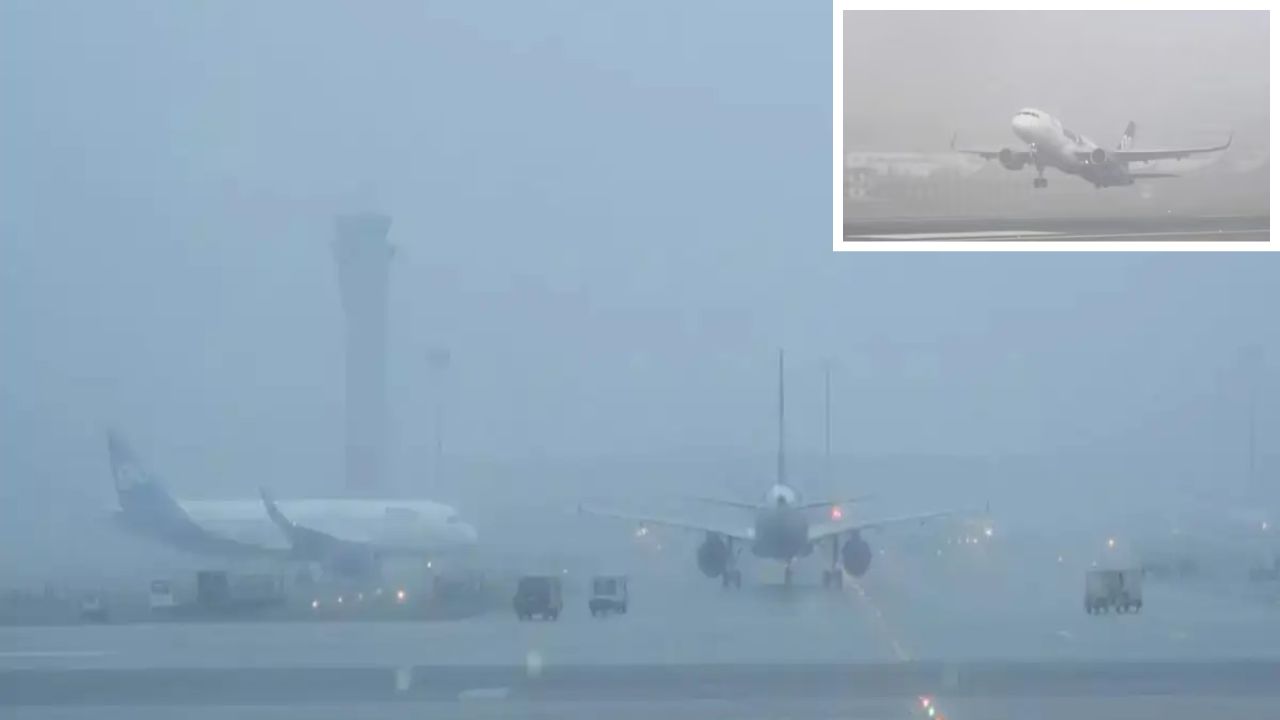
The role of CAT III in low visibility landings
New Delhi: Indira Gandhi International Airport faced severe flight disruptions on Monday morning as dense fog and smog sharply reduced visibility across the National Capital Region. Over 100 flights were cancelled, and more than 300 were delayed as airlines scrambled to adjust schedules.
The Ministry of Civil Aviation issued a heavy fog alert for northern India, advising passengers to check flight statuses and allow extra time for road travel.
Airport authorities confirmed that operations were conducted under CAT III protocols, a specialized Instrument Landing System (ILS) designed for low-visibility conditions. Airlines including IndiGo and Air India urged passengers to stay updated on flight changes.
GRAP 4 In Delhi-NCR As AQI Worsens: What does it mean for schools, metros, buses? Explained
Fog reduces visual cues for pilots, affecting landing, take-off, and taxiing. Even with advanced systems like CAT III, aircraft cannot operate at full speed during dense fog. Runways require greater spacing between planes, and aircraft certified only for lower ILS categories must wait for improved visibility, triggering cascading delays.
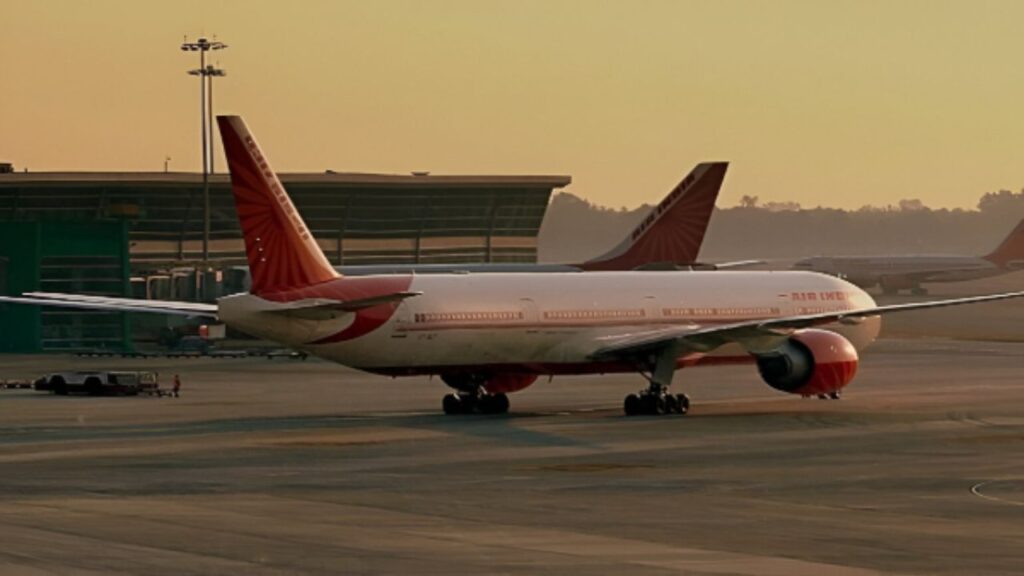
Even with CAT IIIB, flights can get delayed or cancelled during heavy fog.
CAT III is the highest category of the Instrument Landing System, guiding aircraft through radio-based signals in near-zero visibility. The system provides two key types of guidance:
Azimuth guidance: Aligns the aircraft horizontally with the runway centerline.
Vertical guidance: Ensures the plane maintains the correct descent path.
CAT III also has subcategories based on decision height (DH) and runway visual range (RVR):
CAT IIIA: DH lower than 30 m, RVR not less than 200 m
CAT IIIB: DH lower than 15 m, RVR not less than 50 m
CAT IIIC: Zero DH and zero RVR (not yet implemented in India)
Delhi Airport operates a CAT IIIB system, allowing landings in visibility as low as 50 meters. Six other Indian airports, including Lucknow, Jaipur, Amritsar, Bengaluru, and Kolkata, also support CAT IIIB operations.
Even with CAT IIIB, not all aircraft or pilots are certified for the system. Ground operations slow as aircraft taxi at reduced speeds, and take-off sequences are spaced out to maintain safety. These factors combine to create significant delays during prolonged fog spells, which are common in northern India during winter.
Viral: IndiGo flight crisis disrupts couple’s wedding reception, Instamart arranges surprise baraat
Landing is the most critical phase of a flight, accounting for only 4% of flight time but nearly half of fatal accidents. Dense fog complicates this further by removing visual cues. While CAT III provides precise guidance, safe operations depend on certification and training of both pilots and aircraft.
As winter progresses, Delhi and other northern airports continue to face operational challenges, highlighting the delicate balance between safety and efficiency in low-visibility conditions.


