Security agencies enter a new digital battle against terror networks in Kashmir
Srinagar: The counter-terror landscape in Jammu and Kashmir is witnessing a new dimension as security agencies uncover how terror networks are allegedly adapting their operational methods by exploiting emerging digital technologies. With conventional communication channels facing intensified surveillance, handlers are believed to be exploring encrypted applications, anonymous platforms and hidden online networks to maintain covert connectivity with operatives and potential recruits.
The development has prompted security agencies to expand their cyber intelligence operations, technical surveillance mechanisms and digital threat assessment capabilities to counter what officials describe as an evolving form of technology-driven terrorism.
Security officials monitoring terror infrastructure in the region have observed a gradual shift in communication patterns. Instead of relying solely on conventional phone calls and commonly used messaging services, terror handlers are allegedly moving towards encrypted and privacy-focused platforms designed to minimise digital exposure.
These platforms offer advanced privacy features, including end-to-end encryption, anonymous account creation, concealed digital identities and self-destructing communication trails. Such capabilities create additional challenges for intelligence agencies attempting to map communication networks and identify command-and-control structures.
The emerging pattern highlights how terror organisations are attempting to build resilient digital ecosystems to maintain operational secrecy, coordinate activities and establish contact chains beyond traditional surveillance grids.
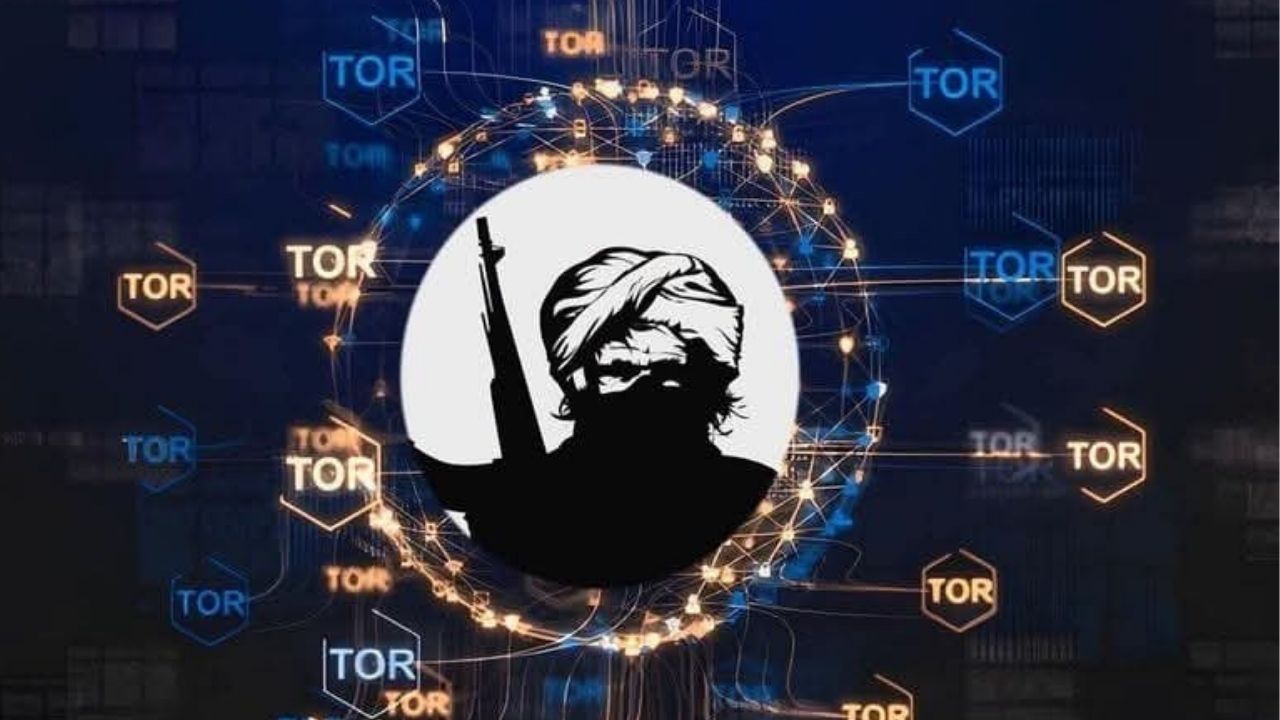
Security agencies are examining the suspected use of multiple privacy-oriented digital platforms and Tor-based communication networks as part of ongoing intelligence assessments.
Investigators are analysing whether such platforms are being exploited by terror handlers for secure communication, recruitment efforts, propaganda circulation or logistical coordination.
Officials are also assessing communication methods involving foreign-origin virtual SIM cards, which can complicate attribution and make it harder to establish the exact identity and location of users involved in suspicious activities.
The focus of agencies remains on identifying specific threat actors, digital signatures and communication patterns rather than monitoring ordinary users of these platforms.
The latest development reflects a broader transformation in counter-terror operations, where cyber intelligence has become an important component of national security strategy.
Security forces are now combining human intelligence (HUMINT), technical intelligence (TECHINT), signals intelligence (SIGINT) and cyber monitoring capabilities to track terror networks operating across physical and digital domains.
Advanced data analysis, digital forensics and online surveillance mechanisms are being strengthened to identify recruitment attempts, communication hubs and support networks before they translate into ground-level threats.
Security experts believe terror groups are increasingly attempting to exploit technological gaps to maintain operational secrecy. The battlefield is no longer restricted to border infiltration routes, hideouts or physical movements; it has expanded into cyberspace, where encrypted conversations and anonymous digital identities can become critical components of terror infrastructure.
The challenge for security agencies is to stay ahead of rapidly changing digital tactics while ensuring that investigations remain focused on genuine security threats.
Following the detection of these emerging patterns, intelligence and security agencies are upgrading their digital surveillance architecture to counter technology-enabled terror activities.
The objective is to disrupt communication networks, prevent online radicalisation, identify recruitment pipelines and neutralise support structures linked to terror organisations.
Officials have maintained that investigations are ongoing and the presence of any platform under scrutiny does not automatically indicate involvement of all its users in unlawful activities.
The latest findings underline a major shift in the security environment of Jammu and Kashmir. As terror networks attempt to modernise their methods, security agencies are also advancing their technological capabilities to protect the region.
The new-age counter-terror battle is increasingly being fought across two fronts — the physical battlefield and the digital domain — where intelligence superiority could determine the success of future security operations.

