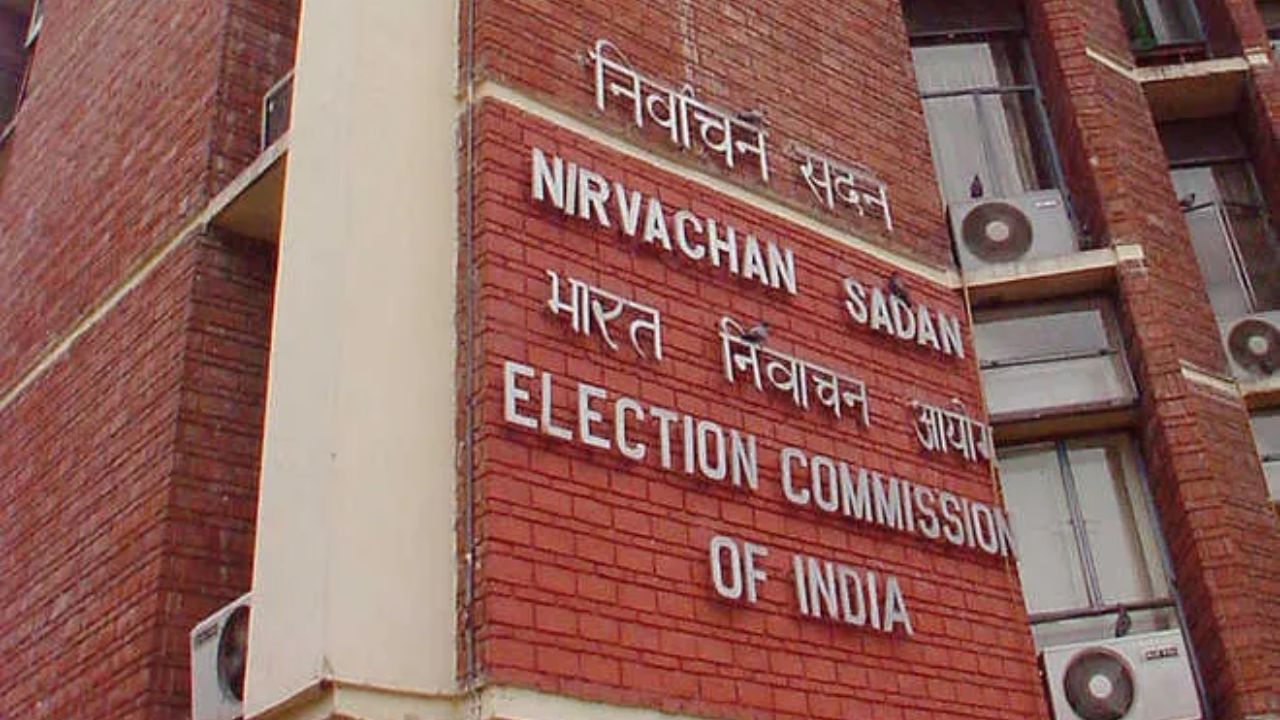
ECI announces a fresh voter list revision schedule for 17 States and Union Territories.
New Delhi: The Election Commission of India (ECI) has announced a fresh schedule for revising electoral rolls in 17 States and Union Territories, introducing the Special Summary Revision (SSR) exercise ahead of the next round of Assembly elections. The revision will use January 1, 2027, as the qualifying date and is intended to facilitate the enrolment of eligible voters, correct discrepancies and update electoral records.
The announcement comes as the Commission continues to conduct or complete the separate Special Intensive Revision (SIR) exercise in other parts of the country. The two processes differ substantially in their approach: SSR updates an existing electoral roll, whereas SIR involves preparing the roll afresh through an intensive enumeration and verification exercise.
Under the schedule announced by the ECI, polling stations will be rationalised and rearranged by November 2, 2026, before the draft electoral rolls are published on November 12.
The subsequent stages are as follows:
The Commission will also accept advance applications from citizens who become eligible to vote on April 1, July 1 and October 1, 2027, in addition to applications linked to the January 1, 2027 qualifying date.
The SSR exercise covers the Andaman and Nicobar Islands, Assam, Bihar, Chhattisgarh, Goa, Gujarat, Kerala, Lakshadweep, Madhya Pradesh, Manipur, Puducherry, Punjab, Rajasthan, Tamil Nadu, Uttar Pradesh, Uttarakhand and West Bengal.
The Commission has said that separate schedules will be announced for other States and Union Territories where the SIR exercise is underway or has recently concluded. The schedule for Himachal Pradesh, Jammu and Kashmir, and Ladakh will take their weather conditions into account.
What Is Special Summary Revision?
Special Summary Revision is a process through which the Election Commission updates an existing electoral roll without undertaking a complete fresh enumeration of every elector.
The exercise is intended to ensure that newly eligible citizens are enrolled, errors in existing entries are corrected and ineligible or outdated entries are identified through the prescribed procedures. It also addresses cases involving deceased voters, duplicate entries and electors who have permanently shifted their residence.
Under SSR, the existing electoral roll serves as the foundation for the revised list. Electoral Registration Officers and Booth Level Officers undertake the prescribed verification and correction processes, following which a draft roll is published for public scrutiny.
Eligible citizens can submit applications for inclusion, correction or other permitted changes. Claims and objections are examined before the final electoral roll is published.
The principal objective is to maintain an accurate and up-to-date electoral register while preserving the existing framework of voter registration. Unlike SIR, SSR does not ordinarily require the entire electoral roll to be reconstructed from the ground up.
What Is Special Intensive Revision?
Special Intensive Revision is a more comprehensive exercise in which electoral rolls are prepared afresh through an intensive enumeration process.
During SIR, Booth Level Officers undertake enumeration of electors, generally by distributing or collecting prescribed forms and verifying the relevant particulars. The draft electoral roll is prepared on the basis of the enumeration process, followed by a period for claims and objections.
A crucial distinction is that names appearing on the previous electoral roll are not automatically carried forward into the new draft roll in the same manner as under SSR. Electors must comply with the applicable enumeration requirements to ensure that their names are reflected in the revised list.
The SIR process also involves a separate verification framework, with the relevant documentation and requirements governed by the Election Commission's instructions for the particular exercise.
The Commission has used electoral rolls from 2002–2004 as a reference baseline in the current SIR process, whereas SSR proceeds from the latest final electoral roll.
SSR Vs SIR: Key Differences
The distinction is consequential for voters. Under SSR, an existing entry forms part of the foundation for updating the list. Under SIR, electors must follow the prescribed enumeration and verification procedure to secure inclusion in the newly prepared roll.
Which Forms Can Voters Use?
The Election Commission has prescribed different forms for different electoral-roll requirements.
- *Form 6:* Application for inclusion of a name in the electoral roll.
- *Form 6A:* Application for inclusion by an overseas elector.
- *Form 7:* Objections to proposed inclusion or requests for deletion, subject to the applicable rules.
- *Form 8:* Applications for shifting residence, correction of entries and other specified changes.
Electors should ensure that they use the appropriate form and submit the required particulars and supporting documents. The applicable procedure may differ depending on whether the request concerns routine revision or an intensive revision exercise.
Why The Revision Exercise Matters
The SSR announcement is significant because it provides another opportunity for eligible citizens, including first-time voters, to secure their place on the electoral roll before upcoming elections. The acceptance of advance applications for multiple qualifying dates in 2027 is also intended to facilitate registration for young citizens who will turn 18 during the year.
The exercise follows a period in which the Election Commission prioritised SIR in several States, departing from the usual annual cycle of summary revisions. The distinction between the two processes has become a subject of public and legal scrutiny, particularly in relation to how existing entries are treated and what electors must do to ensure their inclusion.
For voters, the essential step is to check their electoral particulars, apply for inclusion or correction where necessary, and comply with the prescribed deadlines and verification requirements. Publication of the final electoral roll on January 4, 2027, will conclude the current SSR schedule for the 17 States and Union Territories covered by the Commission's announcement.

