A Mid-Air Safety Alert After Landing
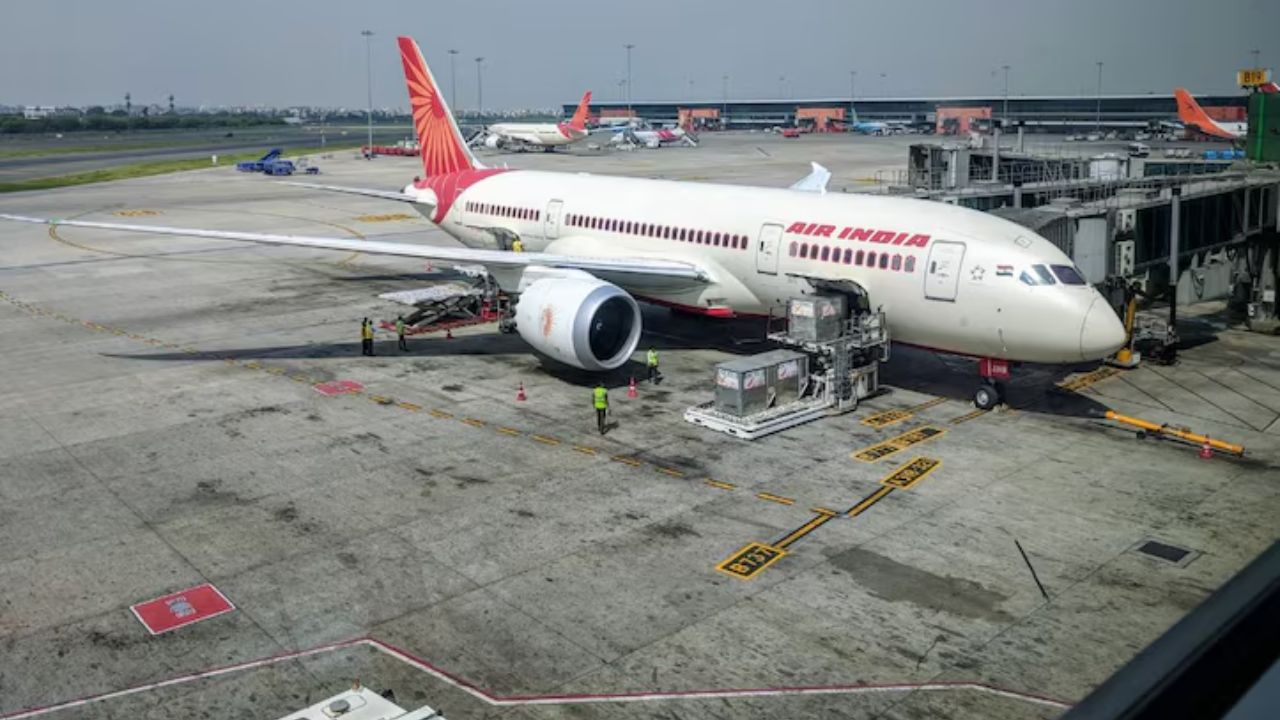
New Delhi: Air India grounded one of its Boeing 787 Dreamliner aircraft on Monday after a technical concern was flagged by the flight crew operating a London–Bengaluru service.
The aircraft, registered as VT-ANX, had completed its journey safely, but the pilots noticed a potential malfunction involving the fuel control switch after landing in Bengaluru. Acting on the report, the airline immediately withdrew the aircraft from service for further inspection.
Supreme Court to hear petition related to Air India plane crash; 3 pleas filed
According to aviation safety group Safety Matters Foundation, the issue involved the left engine fuel control switch, which failed to remain locked in the “RUN” position during engine start. On two occasions, the switch reportedly moved towards “CUTOFF.” While no incident occurred during the flight, such a malfunction can be dangerous under certain conditions, as it could lead to an unintentional engine shutdown mid-air.
This development has raised alarm because it echoes concerns linked to a deadly Air India crash in June 2025. In that tragic accident near Ahmedabad, another Boeing 787 Dreamliner crashed shortly after takeoff, killing 260 people.
Preliminary findings indicated that fuel supply to the engines was cut off when a fuel control switch moved from “RUN” to “CUTOFF.” The exact reason for that switch movement—mechanical or otherwise—was never conclusively established.
In an official statement, Air India confirmed that it had grounded the aircraft as a precaution and informed the aviation regulator, the Directorate General of Civil Aviation (DGCA). The airline said it is working closely with Boeing, the aircraft’s manufacturer, to examine the reported defect on priority.
Boeing has also acknowledged the issue and stated that it is supporting Air India’s review. Air India emphasized that it had previously inspected fuel control switches across its entire Dreamliner fleet following DGCA instructions and found no faults at that time.
The DGCA has now launched a fresh probe and sought detailed information from the airline. Aviation safety experts say the incident raises troubling questions. Captain Amit Singh, a noted safety analyst, pointed out that the malfunction occurred despite earlier assurances that all checks had been completed. This, he said, raises doubts about whether the inspections were thorough or whether a recurring defect exists.
Adding to concerns, the Safety Matters Foundation highlighted that the US Federal Aviation Administration (FAA) had issued a safety alert as early as 2018. That alert warned airlines that certain fuel control switches on Boeing aircraft, including the 787, could malfunction in exactly this way and recommended inspections and replacements.
Air India Express Pilot booked for passenger assault at Delhi Airport
With memories of the 2025 crash still fresh, this latest incident has once again put aircraft safety, regulatory oversight, and manufacturer accountability under the spotlight. While no passengers were harmed this time, the episode underscores the urgent need for clear answers and decisive action.

