VB G RAM G Bill proposes 125 days of rural employment.
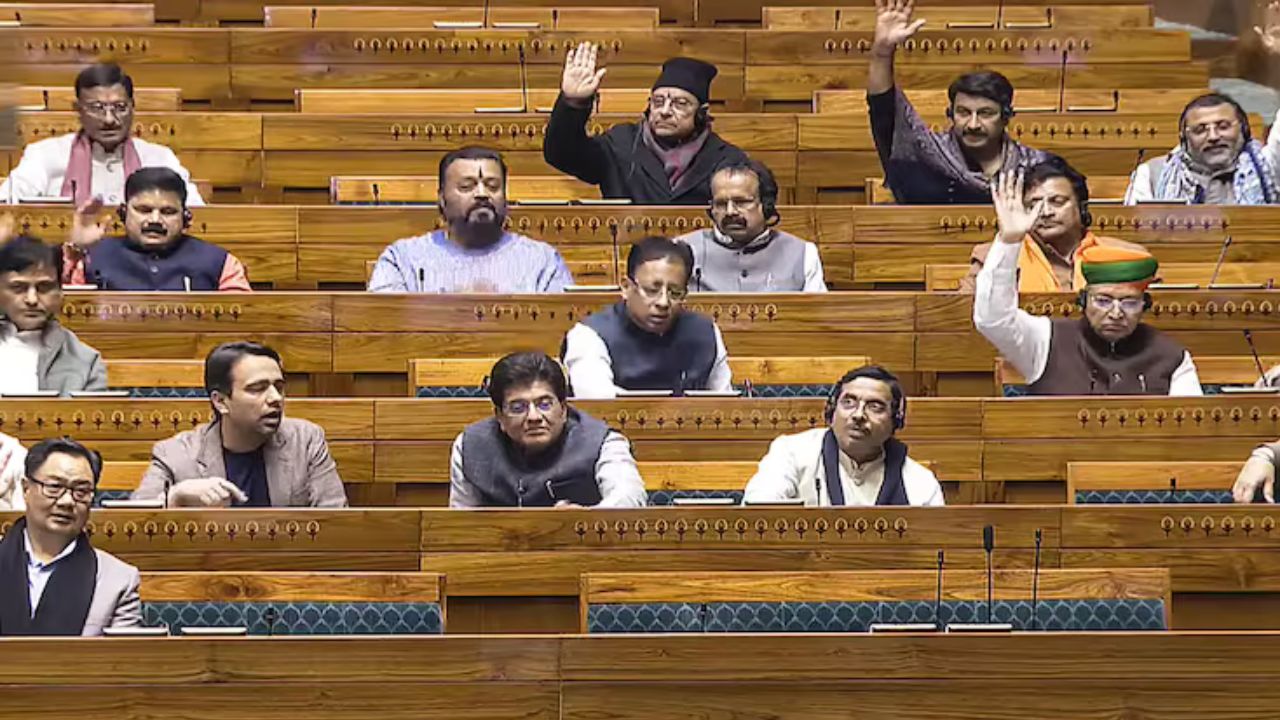
New Delhi: The VB G RAM G Bill was taken up for discussion in the Lok Sabha, marking a major shift in India rural employment framework. The proposed legislation seeks to replace the existing rural jobs law that has been in force for nearly twenty years. The government presented the Bill as a forward looking measure aimed at strengthening rural livelihoods and accelerating village development.
While moving the VB G RAM G Bill, the Rural Development Minister said the proposed law would help fulfil Mahatma Gandhi vision of self reliant villages. He stated that the Bill is designed not just to provide employment but to ensure holistic development, making villages economically strong and poverty free. According to him, the initiative reflects the spirit of dignity of labour and grassroots empowerment.
The VB G RAM G Bill provides a statutory guarantee of 125 days of wage employment every financial year to rural households whose adult members volunteer for unskilled manual work. The Bill also requires states to frame their own schemes within six months of the law coming into force. These schemes must align with the provisions of the VB G RAM G Bill while addressing local development priorities.
Justice Yashwant Varma challenges Lok Sabha Inquiry Committee in Supreme Court
Several opposition members raised objections to replacing the earlier rural employment legislation with the VB G RAM G Bill. They argued that the previous law had transformed livelihood security in rural India and had become closely associated with social protection for the poor. The removal of Mahatma Gandhi name from the scheme was described as a serious departure from its original moral foundation.
During the debate, a senior opposition leader launched a sharp attack on the government, claiming that the VB G RAM G Bill undermines the principles of Ram Rajya and inclusive development. She accused the government of dishonouring national icons by renaming a scheme that carried deep historical and emotional significance. Her remarks added intensity to the ongoing discussion in the House.
Parliament Winter Session: BJP issues whip for Lok Sabha MPs to be present in House till 19 December
Another opposition speaker criticised the VB G RAM G Bill as being unfavourable to poor and marginalised communities. He warned that the proposed law could weaken the role of gram sabhas by limiting their authority to decide local works. He also expressed concern that the Bill may place additional financial responsibilities on states without adequate safeguards.
Members from the ruling party strongly defended the VB G RAM G Bill, arguing that the earlier employment scheme failed to strengthen the rural economy. They claimed it encouraged unproductive activities and became vulnerable to corruption. According to them, the inclusion of accountability measures in the VB G RAM G Bill would ensure meaningful work and cleaner implementation.
The Speaker clarified that the discussion on the VB G RAM G Bill would continue, with the minister expected to respond before the Bill is put to vote. As Parliament moves closer to a final decision, the Bill remains at the centre of a broader debate on development priorities, historical legacy and the future of rural employment guarantees in India.

