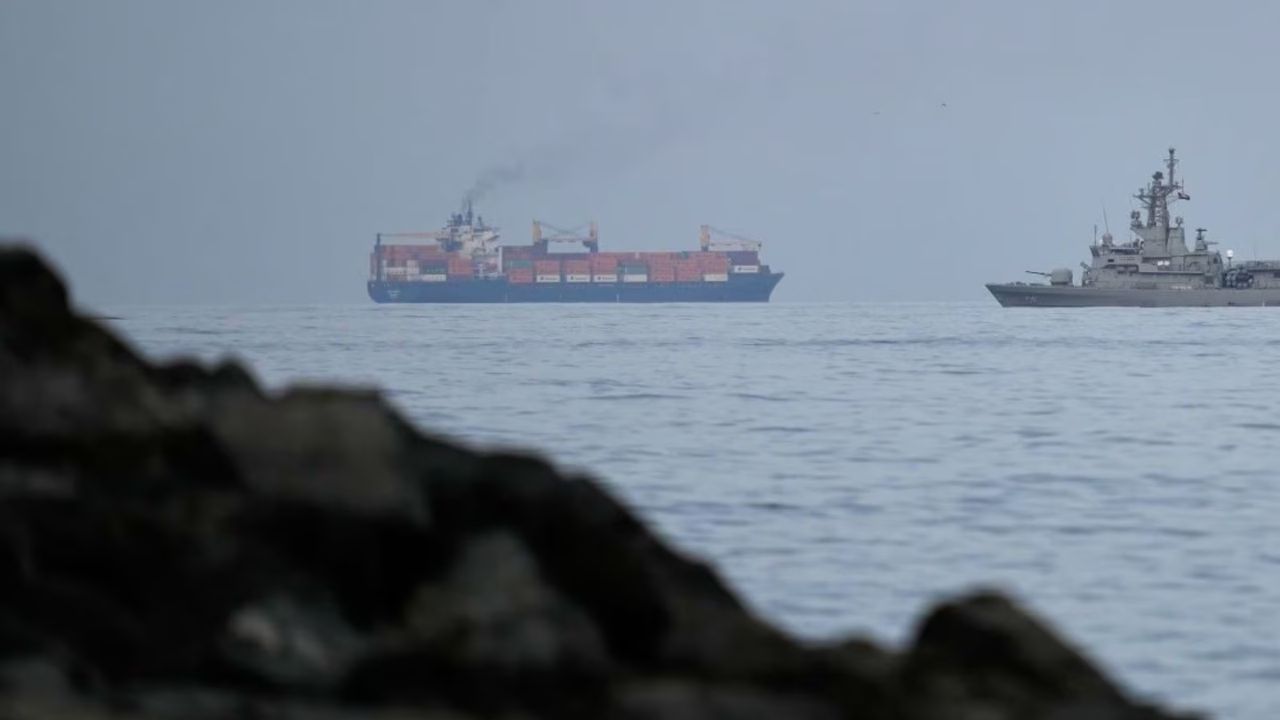
Two Indian vessels cross Strait of Hormuz safely
New Delhi: Two Indian- flagged liquified petroleum gas (LPG) carriers have crossed through the Strait of Hormuz on Saturday amid escalating West Asia conflict. As per the government of India, the passage of these two ships comes after a series of conversations between the Indian and the Iranian leaderships over the last few days.
The vessels, Shivalik and Nanda Devi, are carrying a combined cargo of approximately 92,700 metric tonnes of LPG. Officials said the ships are expected to arrive at the Mundra Port and Kandla Port on March 16 and March 17 respectively.
Govt warns against storing petrol in loose containers; Assures adequate fuel supply across India
The safe passage of the vessels follows a series of diplomatic contacts between India and Iran in recent days. According to officials, discussions between leaders and senior diplomats from both countries helped facilitate the movement of Indian vessels through the strategic sea route.
Narendra Modi recently spoke with Masoud Pezeshkian to discuss the security situation in West Asia. Meanwhile, Subrahmanyam Jaishankar also held multiple conversations with his Iranian counterpart Seyed Abbas Araghchi.
The development comes as several Indian-flagged ships remain in the Persian Gulf region amid disruptions caused by the conflict. Officials earlier said multiple vessels with hundreds of Indian seafarers were located around the Hormuz area.
LPG Crisis: Over 100 LPG cylinders seized in Mumbai’s Worli in crackdown on black marketing
Authorities confirmed that Indian sailors operating in the region remain safe and are being closely monitored by the government.
The Strait of Hormuz is one of the world’s most crucial maritime routes, with nearly a quarter of global crude oil shipments passing through the narrow waterway linking the Persian Gulf to the Gulf of Oman.
Any disruption in this corridor has the potential to impact global energy supplies and international shipping routes.

