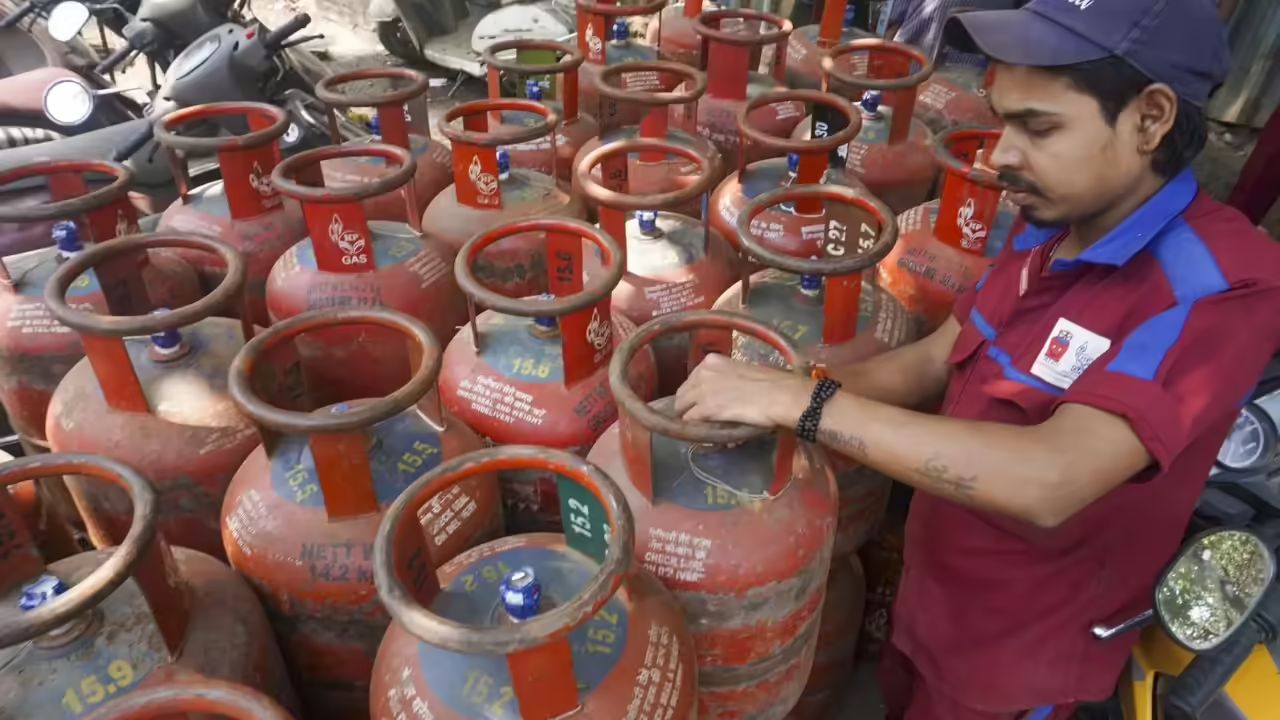
Govt invokes ESMA to ensure LPG supply
New Delhi: Amid rising concerns over cooking gas availability, the central government has taken strict measures to curb hoarding and black marketing of LPG cylinders across the country.
Reports from several regions indicate that some traders and distributors have been stockpiling cylinders to sell them at inflated prices, worsening anxiety among consumers.
In response, the government has invoked the Essential Services Maintenance Act (ESMA) to ensure an uninterrupted supply of domestic cooking gas. Officials say the move is aimed at preventing profiteering and protecting households from potential shortages. Authorities believe that immediate action is necessary to stop illegal stockpiling that could disrupt supplies to ordinary consumers.
ESMA Invoked to Control Hoarding
Under the provisions of ESMA, the government can intervene to maintain essential services and prevent activities that may disrupt supply chains. By enforcing the law, authorities intend to tighten monitoring of LPG distribution and take action against those involved in hoarding or black marketing.
Government sources noted that complaints about irregular supply and illegal stockpiling of gas cylinders have increased in recent months. The decision to implement ESMA is intended to stabilise the supply system and ensure that LPG reaches consumers who need it the most.
Priority Supply for Essential Services
Officials have also clarified that certain sectors will receive priority in fuel supply if shortages arise. Hospitals, schools, government institutions and other critical services will be given preference to ensure that healthcare, education and other essential operations continue without disruption.
According to the government, safeguarding these sectors is vital to prevent any broader impact on public services during a supply crisis.
Understanding ESMA
The Essential Services Maintenance Act is a legal provision that allows the government to maintain uninterrupted services considered crucial for public welfare. It enables authorities to regulate activities that could threaten the supply or functioning of essential services. The law has traditionally been used in sectors such as transport and healthcare, but authorities say the current step is intended to protect fuel supply chains during a sensitive period.
Refineries Asked to Boost LPG Production
Alongside the enforcement of ESMA, the government has instructed oil refineries to step up LPG production in order to improve domestic availability. Demand for cooking gas in India has been rising steadily, while local production has not kept pace.
Government data for the 2024-25 financial year shows that India consumed around 31.3 million tonnes of LPG, while domestic production stood at only 12.8 million tonnes. The remaining demand has been met through imports.
West Asian Tensions Add to Concerns
Energy experts say India depends heavily on imports to meet its LPG requirements, with nearly 85-90 percent of supplies coming from abroad, particularly from West Asian nations such as Saudi Arabia. Much of this fuel passes through the strategically important Strait of Hormuz, a major maritime route for global oil and gas shipments.
Recent tensions in West Asia, especially the conflict between Iran and Israel, have raised concerns about possible disruptions to this crucial shipping corridor. Any disturbance in the region could impact global energy supplies and affect countries dependent on imports, including India.
Shortages Reported in Several Cities
Early signs of supply stress are already emerging in some parts of the country. Reports from cities such as Chennai, Mumbai, and Bengaluru suggest that commercial LPG cylinders are becoming harder to obtain, particularly for hotels and restaurants.
Industry representatives say many small eateries and hospitality businesses are facing operational challenges due to delays in cylinder deliveries. If the situation persists, they warn, smaller businesses could be among the hardest hit.
The government, however, maintains that the combination of stricter enforcement under ESMA and increased domestic production will help stabilise the situation and ensure that cooking gas remains available to households and essential services.

