 English
 English

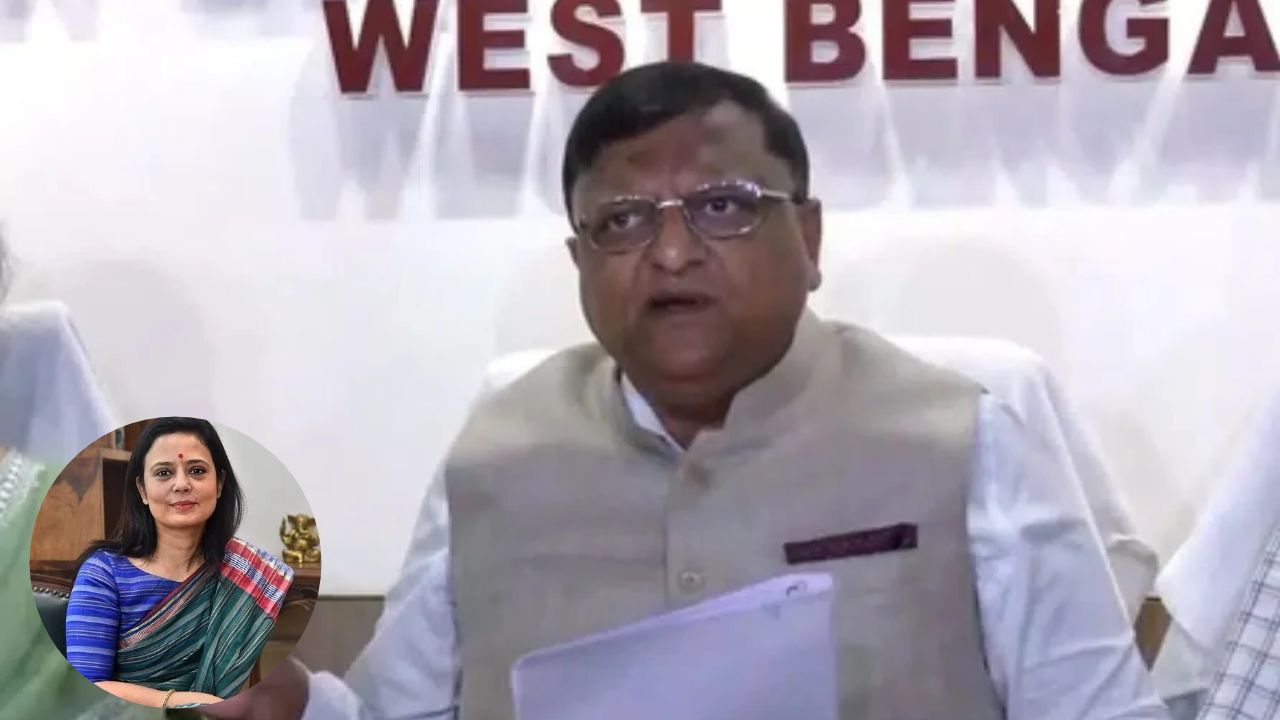
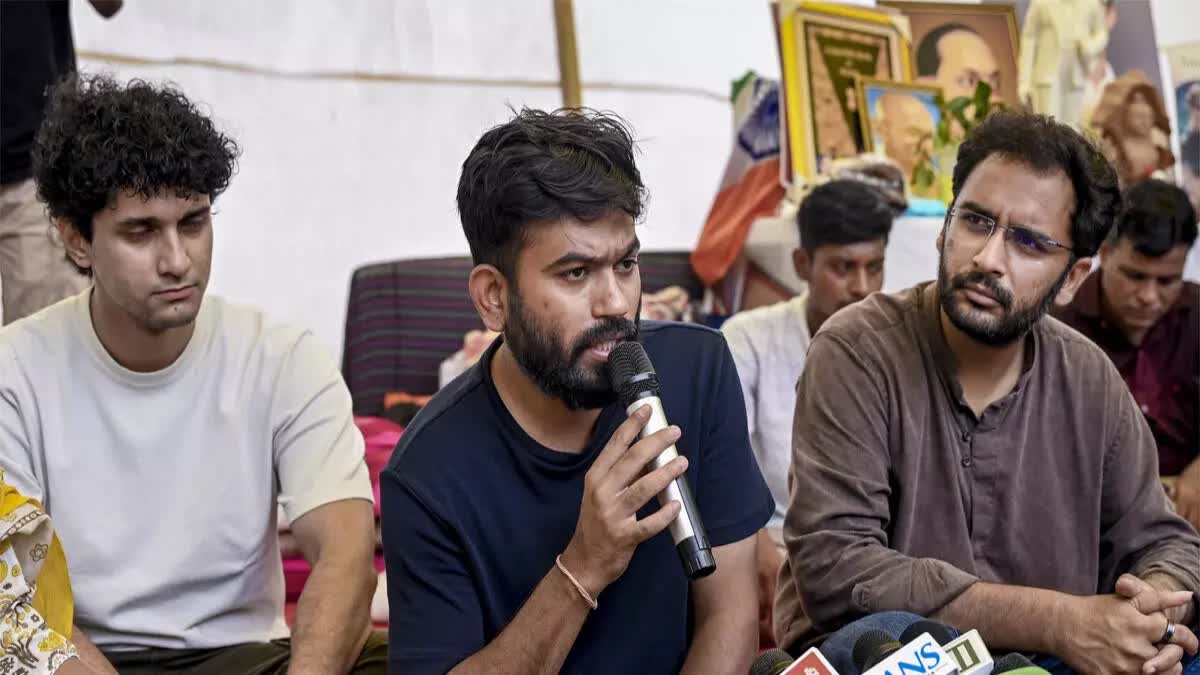
Gyanesh Kumar’s parents react after a Congress demonstration outside their ancestral home in Agra. (Img: X)
Agra: Chief Election Commissioner Gyanesh Kumar’s elderly parents have expressed strong displeasure against the protest organised by the Congress at their ancestral home in Agra, days after party workers allegedly defaced the property during demonstrations over the SIR voter-roll revision.
The incident added a personal dimension to the escalating political confrontation between the Congress-led opposition and the Election Commission, with protests over electoral rolls now extending from Delhi to the CEC’s family home in Uttar Pradesh.
Kumar’s ancestral residence in Vijay Nagar, Agra, became the focus of a Congress protest on September 28. Party workers demonstrated against the Election Commission and the ongoing Special Intensive Revision of electoral rolls.
During the protest, slogans and messages targeting the CEC were written on the main gate and outer portions of the property. Police subsequently removed the markings. Reports said Congress leaders Anil Yadav and Mathura district Congress president Mukesh Dhangar were among those arrested in connection with the protest. The controversy has now resurfaced after members of the Akhil Bharatiya Mathur Vaishya Mahasabha organised a religious purification programme at the residence.
Gyanesh Kumar’s father, Subodh Gupta, has expressed disappointment over the atmosphere created outside the family home. He also defended the need for the SIR exercise, saying electoral-roll revision should help establish the accuracy of voter records and ensure that eligible citizens retain their voting rights. ([ABP News][2])
His comments come at a time when the opposition has intensified its campaign against the Election Commission, alleging irregularities in the electoral-roll revision process. Gupta also questioned why concerns over electoral processes were being raised in this manner, referring to elections in southern states where political parties involved in the current protests have also won elections.
His remarks have brought the debate closer to the family level, even as the larger political dispute remains centred on the functioning of the Election Commission and the SIR process.
The Agra controversy took another turn when women associated with the Akhil Bharatiya Mathur Vaishya Mahasabha organised a kalash yatra from the Radha-Krishna temple in Vijay Nagar Colony to the CEC’s ancestral residence.
The participants carried out a religious purification ceremony and sprinkled Gangajal inside and outside the house. Bhajans, devotional activities and conch-blowing were also part of the programme. ([ABP News][3])
The organisers said the programme was conducted in response to the earlier protest at the residence. They maintained that political disagreements with the Chief Election Commissioner should be addressed through democratic and institutional channels rather than at the home of his elderly parents. The religious ceremony has consequently become another talking point in the wider SIR controversy.
The Special Intensive Revision, or SIR, has emerged as one of the biggest political flashpoints between the Election Commission and opposition parties. The exercise involves scrutiny and revision of electoral rolls, with the Election Commission maintaining that the process is aimed at improving the accuracy of voter lists and addressing issues such as duplicate, deceased or otherwise ineligible entries.
Opposition parties, however, have raised concerns about the potential deletion of genuine voters and have demanded greater transparency and safeguards during the revision process. The dispute has now moved well beyond an administrative discussion about voter lists. It has become a major political confrontation involving the Congress, INDIA bloc parties and the Election Commission.
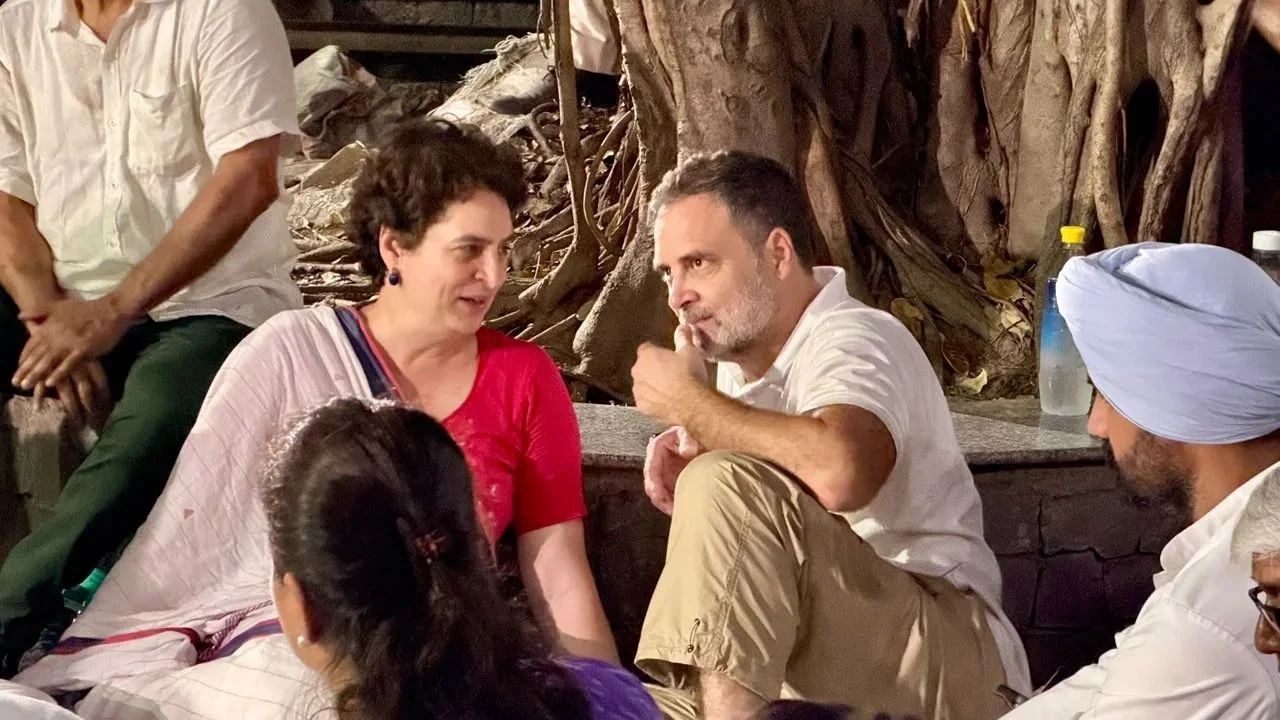
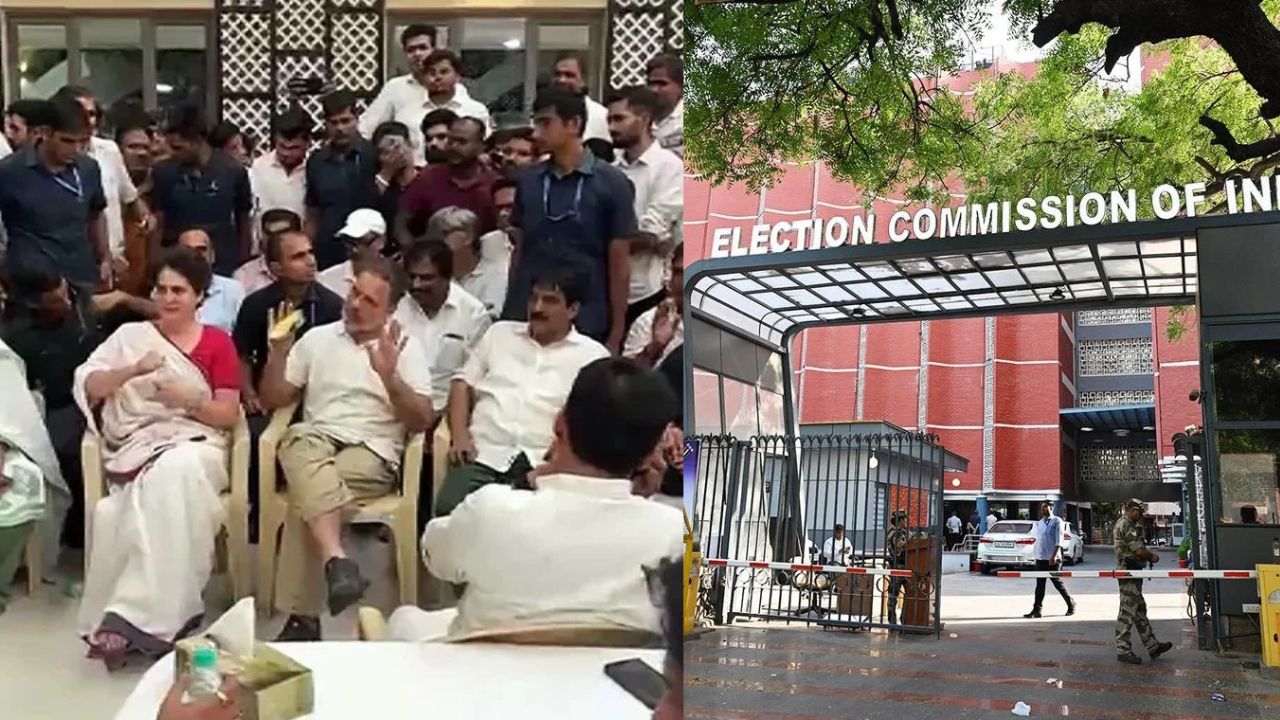
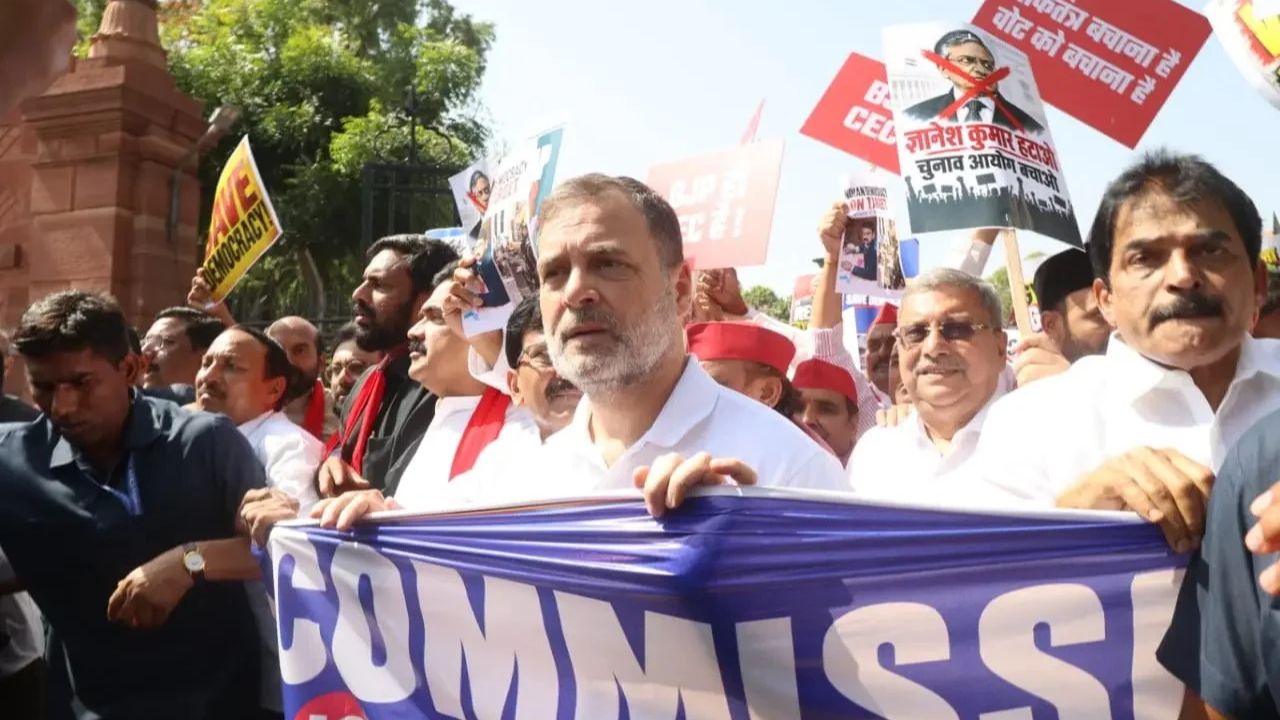
The Agra controversy comes as INDIA bloc leaders have intensified demonstrations against CEC Gyanesh Kumar. On Tuesday, opposition MPs attempted to march from the Parliament complex towards Nirvachan Sadan, the Election Commission headquarters in New Delhi. Police stopped the march near Akashvani Bhavan, after which opposition leaders staged a sit-in.
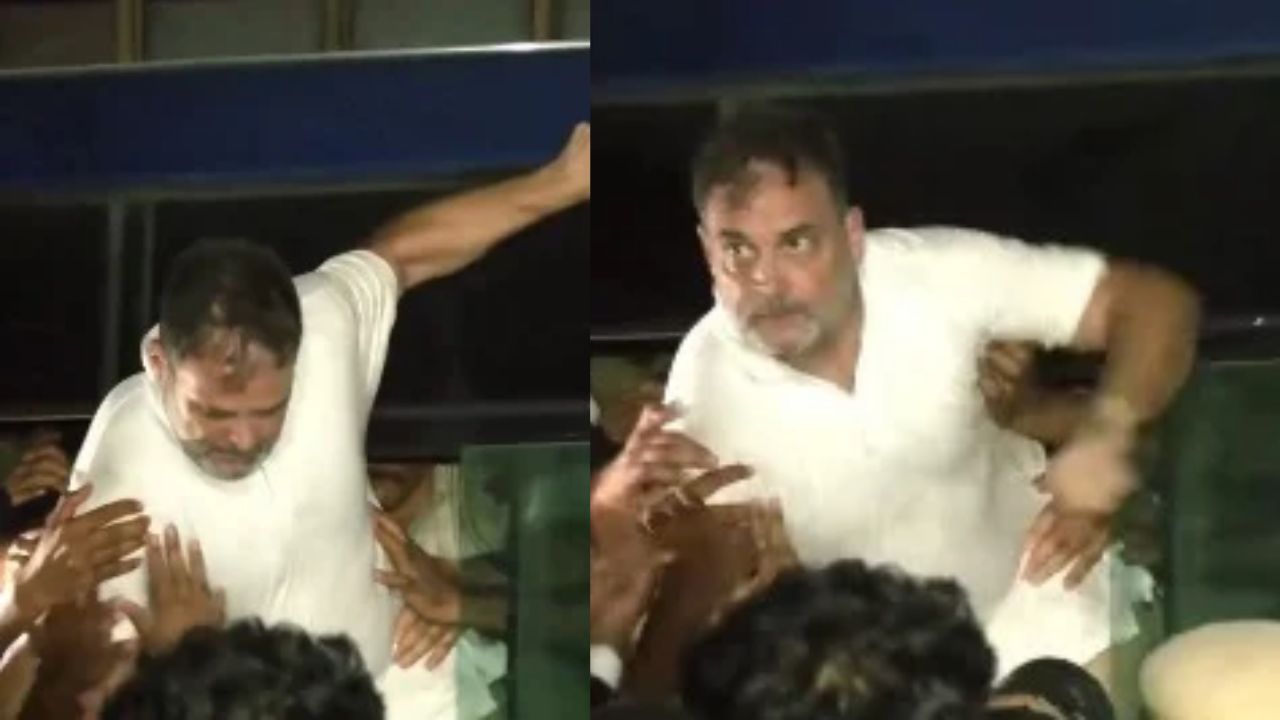
Rahul Gandhi, Priyanka Gandhi Vadra and several other opposition leaders were detained during the protest. The opposition is demanding greater transparency over the SIR exercise and has also called for action against the CEC.
The protests have become increasingly prominent, with opposition leaders seeking a direct meeting with the Election Commission to raise their concerns over electoral rolls. Reports said several opposition MPs were detained and later released following the prolonged demonstration.
Congress leader Pawan Khera has indicated that the opposition campaign against the CEC will continue. The Congress and other INDIA bloc parties have been pressing demands related to the SIR process, electoral-roll changes and the Election Commission’s functioning.
The latest demonstrations indicate that the confrontation is unlikely to disappear immediately. The political dispute has also spread across several states, with opposition parties organising protests and raising allegations concerning voter-list revisions.
The Agra episode has introduced a sensitive human element into the SIR controversy. While the political battle is officially about electoral rolls, election administration and institutional accountability, the protest at the ancestral residence has shifted attention towards the family members of the Chief Election Commissioner.
For Gyanesh Kumar’s parents, the controversy has therefore become a personal experience rather than simply a political dispute playing out in Parliament or outside Election Commission offices. Their reaction, followed by the purification ceremony organised by members of the local community, has given the Agra episode a distinct character within the larger national SIR controversy.
The immediate focus is likely to remain on the opposition’s campaign against the Election Commission and the continuing debate over SIR. The Congress and INDIA bloc are expected to maintain pressure over their concerns about electoral-roll revision, while the Election Commission remains under scrutiny over the implementation and safeguards of the exercise.
For Agra, however, the controversy has moved from a political protest outside a residence to a wider discussion about the limits of political demonstrations, the privacy of families of public officials and the increasingly intense national debate over India’s electoral rolls. The larger question now is whether the political confrontation over SIR will remain confined to institutions and electoral policy, or continue to spill into increasingly personal and localised flashpoints.