 English
 English

CJI Surya Kant’s Big Student Relief Order: Supreme Court Brings Hope
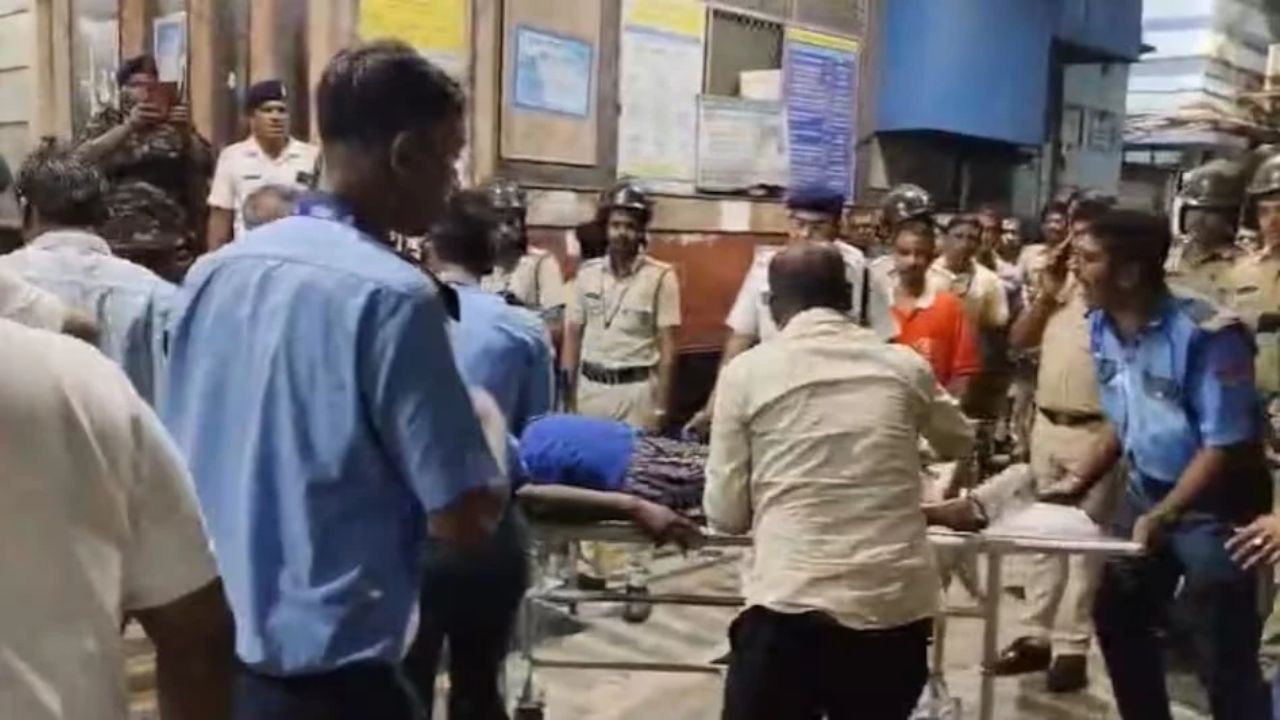
New Delhi: For many young students who walked into protest sites carrying questions about their future, the biggest fear was not just the controversy itself, it was the possibility that a police case could follow them for years. A criminal record at this stage of life could have affected their education, careers and dreams. The Supreme Court’s latest order on Tuesday removed that burden from thousands of young shoulders.
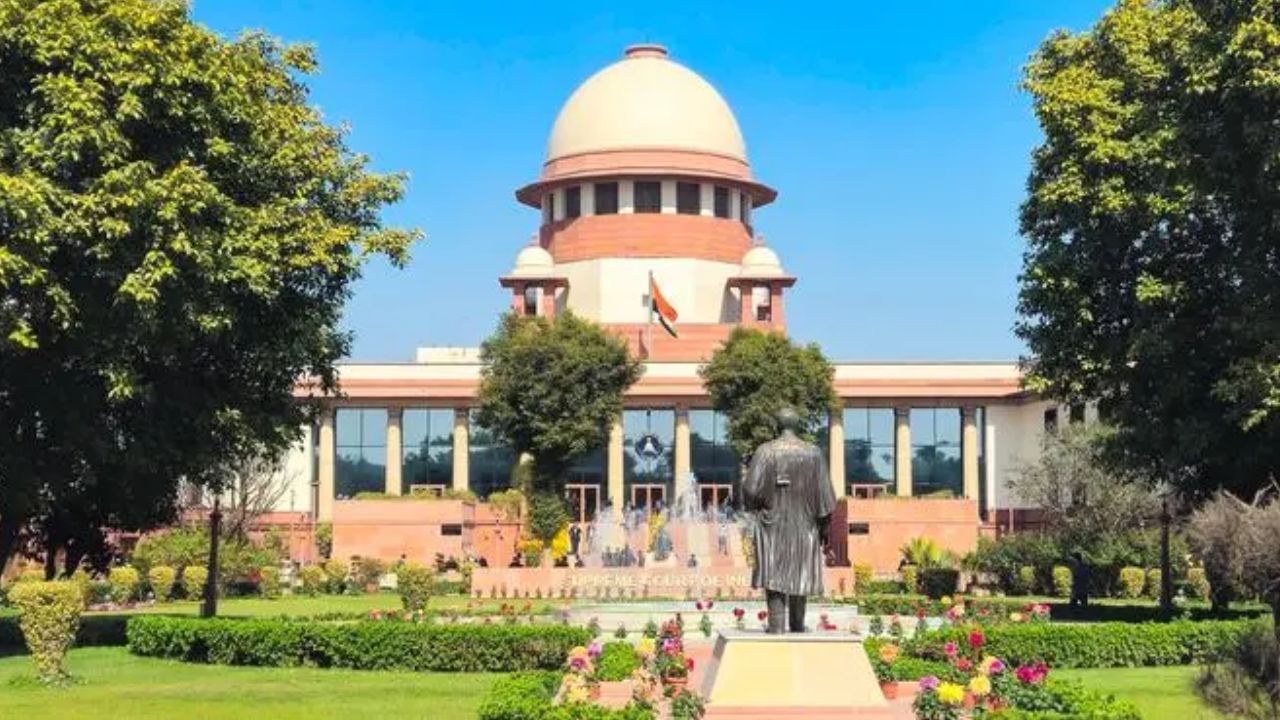
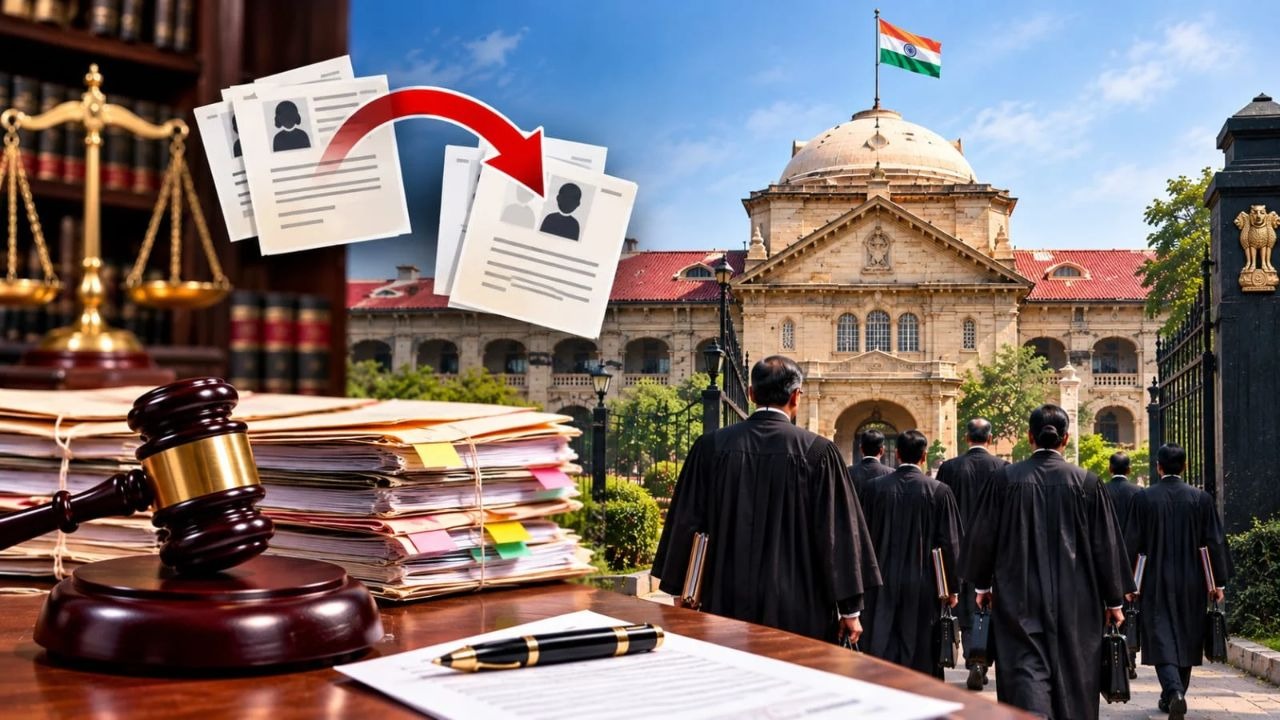
In a significant intervention, the three-judge Bench of Chief Justice of India (CJI) Surya Kant, Justice Joymalya Bagchi and Justice V Mohana closed FIRs linked to the July 20-25 student protests across the country, offering relief to protesters who had faced legal action after raising their voices over academic concerns. The decision was seen as an effort to protect the future of young students while ensuring that serious offences did not go unchecked.
The Court invoked its extraordinary powers under Article 142 of the Constitution to bring a final resolution to the dispute. The Bench emphasised that the order was passed keeping in mind the future prospects of students who had participated in the protests in good faith.
The judgment not only brought legal relief but also sent a wider message, that the justice system can protect the aspirations of young citizens while maintaining the rule of law.
The Supreme Court directed that FIRs registered across States and Union Territories in connection with the July 20-25 student protests should not be pursued or investigated and must be treated as closed.
The order covered FIRs mentioned in applications filed by the Centre, Delhi Police, Bihar, West Bengal, Maharashtra and Assam. However, the Bench expanded the relief nationwide, ensuring that students facing similar cases in other parts of the country also received protection.
The Court observed that many young protesters had participated in demonstrations to raise concerns over issues affecting their academic lives. The Bench said the intervention was necessary to ensure that students who had come forward peacefully did not carry the burden of criminal proceedings into their future.
For students preparing for competitive examinations and building their careers, the Supreme Court’s order brought a sense of relief after weeks of uncertainty.
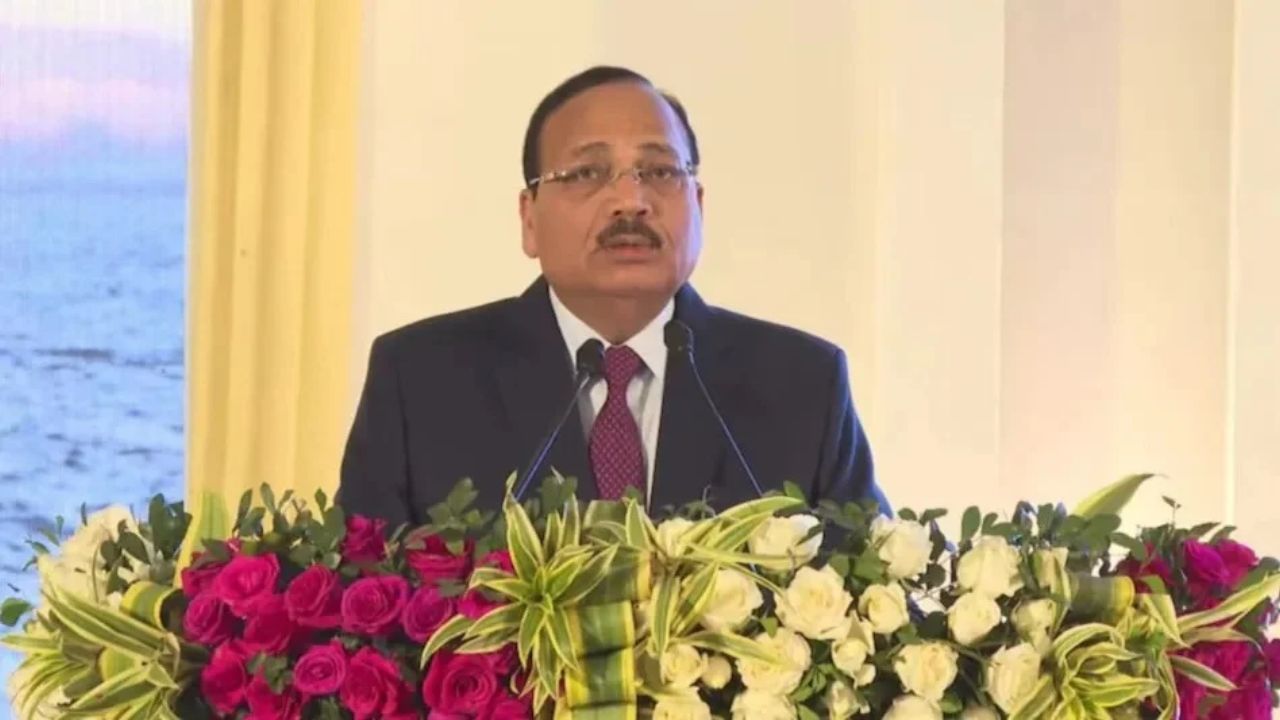
At the centre of the Supreme Court’s order was a message of balance and compassion. CJI Surya Kant highlighted that while the State has every right to take action against those involved in serious crimes, the larger group of genuine protesters should not suffer because of the actions of a few individuals.
The Chief Justice described the Court’s approach as providing a “healing balm” to the main body of protesters while preserving the government’s authority to act against those accused of criminal acts.
The observation reflected the Court’s attempt to separate genuine student voices from allegations of wrongdoing and ensure that young people are not defined by a moment of protest. The Bench also noted that there was not enough material to conclude that the entire protest movement had been infiltrated by unlawful elements.
The landmark order was delivered through the Supreme Court’s special constitutional power under Article 142. The Bench invoked Article 142 to deliver complete justice and resolve the dispute surrounding the protest-related FIRs. The Court clarified that the decision was based on the unique circumstances of the case and would not be treated as a precedent for future matters.
Justice Bagchi observed that the Court wanted to bring an end to the uncertainty surrounding the cases and ensure that the matter did not continue indefinitely. The message from the Bench was clear: justice must not only punish wrongdoing but must also protect those who may be unfairly affected by prolonged legal battles.
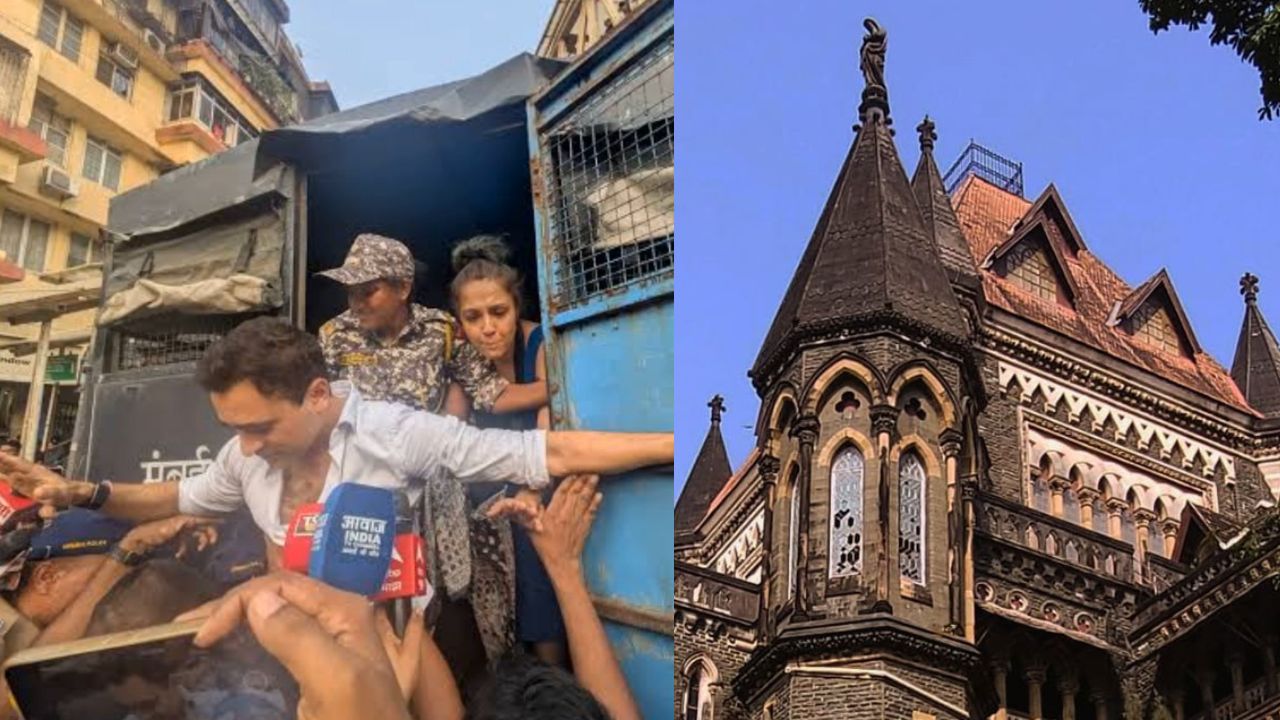
While providing relief to student protesters, the Supreme Court maintained a strict stand against serious criminal activities. It allowed Delhi Police to continue proceedings against 2,873 individuals who were present during the Jantar Mantar protests and had serious criminal antecedents.
The Bench permitted a separate FIR against these individuals, limited to allegations involving bodily harm and destruction of property. Through this distinction, it maintained a balance between protecting the democratic right to protest and ensuring accountability for serious offences.
The Bench also addressed the emotional and human tragedy linked to the NEET-UG controversy. It recorded the Centre’s assurance that a nationwide compensation policy would be prepared for families of students who died by suicide in connection with NEET-UG 2026-related issues. The government was given three months to formulate the policy in consultation with State governments and concerned authorities.
During the hearing, CJI Surya Kant highlighted the need to consider those families whose suffering often remained unseen and stressed the importance of creating a proper mechanism for support. The direction added a humanitarian dimension to the Court’s intervention, moving beyond legal proceedings and focusing on the lives affected by the controversy.
The verdict also changed the course of the planned September 5 protest march announced by the Cockroach Janata Party (CJP). The political satire movement, which emerged after a Supreme Court remark became a subject of public discussion, had announced the march over student-related issues and FIRs filed against protesters.
CJP co-convener Saurav Das informed the Bench that the organisation had decided to withdraw the protest following the government’s assurances and the Supreme Court’s intervention. The development marked a move from confrontation towards institutional dialogue.
Solicitor General Tushar Mehta informed the Court that the government had acted on assurances given earlier to CJP representatives regarding withdrawal of cases and prevention of fresh FIRs related to the protests. He also assured the Court that the government remained committed to addressing compensation concerns for affected families.
CJI Surya Kant encouraged both sides to continue engaging in good faith, observing that even difficult issues could be resolved through discussion and understanding. He also appealed to students to focus on their education and careers, reminding them that creating a place for themselves in today’s competitive world was a major challenge.
The judgement became more than just a legal order. For thousands of students who feared that a protest-related FIR could damage their future, it represented a chance to move ahead without the weight of a criminal case.
The verdict reflected the delicate balance between democratic rights and public order, showing how constitutional institutions can step in during moments of conflict.
Through its intervention, the CJI Surya Kant-led Bench highlighted a larger principle: young voices deserve to be heard, but their future should not be lost in the process.
The Supreme Court’s "healing balm" moment emerged as a reminder that justice was not only about deciding cases, but also about protecting hopes, opportunities and the aspirations of India’s youth.