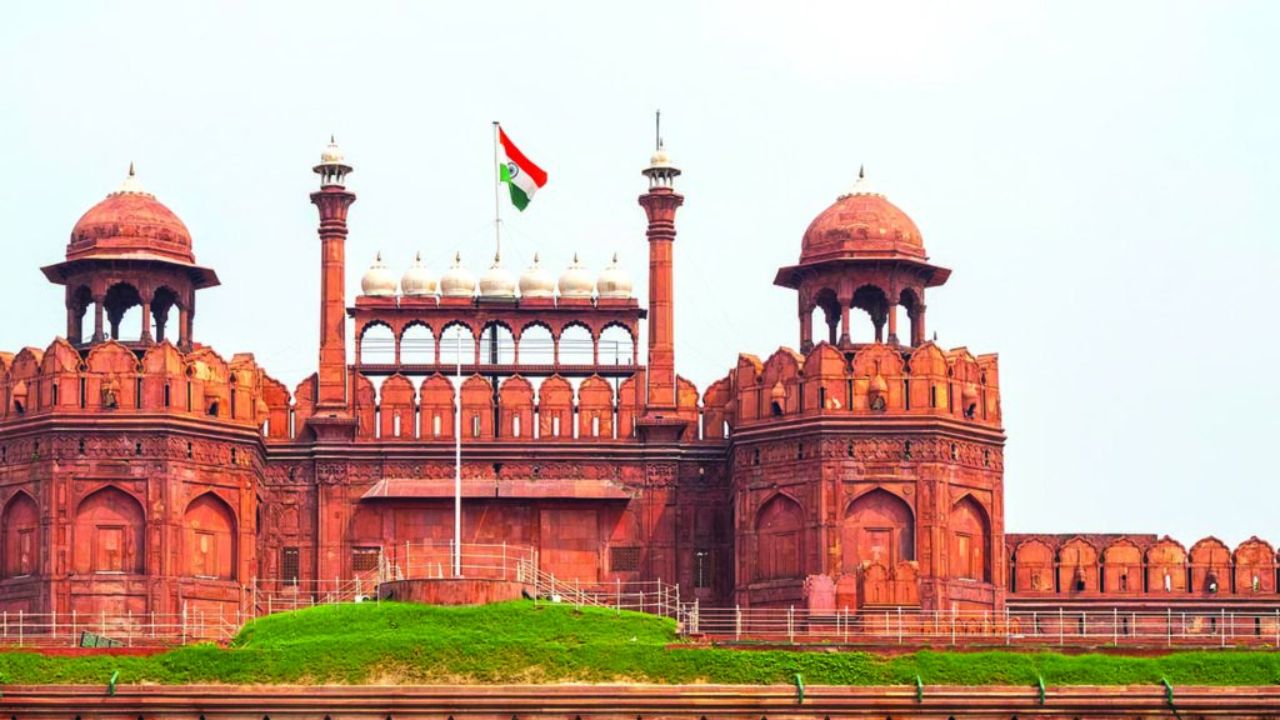
New Delhi: Come August 15, 2026, India’s 80th Independence Day celebrations will witness a historic moment at the ramparts of the Red Fort, with the complete rendition of Vande Mataram scheduled to take place during the national ceremony for the first time. The iconic patriotic composition, which has played a significant role in India’s freedom movement and national identity, will be presented in its full form as part of the Independence Day programme, highlighting the 150-year journey of the song and recognising the contribution of young Indians to the country’s struggle for independence.
The historic ceremony will begin with Prime Minister Narendra Modi’s arrival at the Red Fort, where Vande Mataram will be performed before the national flag hoisting ceremony. This will be followed by the Prime Minister’s traditional Address to the Nation, a key feature of the Independence Day celebrations. To facilitate participation among guests attending the event, invitation cards issued by the Ministry of Defence include the lyrics of Vande Mataram, allowing attendees to sing along during the historic rendition.
Written by Bankim Chandra Chattopadhyay, Vande Mataram became one of the most powerful symbols of India’s freedom movement. The song inspired generations of freedom fighters and emerged as a powerful expression of patriotism during the struggle against British colonial rule. The 2026 Independence Day programme is expected to focus on the historical significance of Vande Mataram, its cultural legacy and its role in motivating young Indians who participated in the freedom movement.
The full singing of Vande Mataram at the Red Fort assumes significance as it marks a new chapter in the country’s Independence Day traditions. The decision follows President Droupadi Murmu’s assent to the Prevention of Insults to National Honour (Amendment) Bill, 2026, providing the legal framework for the inclusion of the complete song during official national events. The Bill criminalises interntional disruption or prevention of the singing of national song 'Vande Mataram,' giving it the same legal protection currently accorded to the national anthem.
The Red Fort ceremony, which has remained the centrepiece of India’s Independence Day celebrations since 1947, will once again bring together political leaders, defence personnel, officials, cultural representatives and citizens for the national celebration. The inclusion of the complete rendition of Vande Mataram is being viewed as a symbolic tribute to India’s freedom fighters and the generations that contributed to the nation-building process after independence.
The event will combine historical remembrance with national pride, as India commemorates the 150-year legacy of one of its most recognised patriotic compositions and celebrates the enduring spirit of independence.
The decision to feature Vande Mataram prominently at the celebrations comes amid a renewed government focus on the national song in its 150th year. In February, the Union Home Ministry issued protocols providing for rendition of all six stanzas of the song at specified official functions. Both the Houses of the Parliament in the present Monsoon Session passed an amendment to the Prevention of Insults to National Honour Act, 1971, elevating the national song to the same status as the national anthem.
Before this amendment, the Prevention of Insults to National Honour Act, 1971, mainly covered offences related to the National Flag, the Constitution of India and the National Anthem. The 2026 amendment expands the legal framework by including the National Song within the scope of offences against national symbols.
The amendment replaces the existing provisions under Section 3 of the 1971 Act and extends the same penal mechanism that was earlier applicable only to the National Anthem. The punishment under the amended law remains unchanged. A person found guilty of intentionally obstructing the singing of the National Anthem or National Song, or disturbing a gathering during such rendition, can be punished with imprisonment for a term extending up to three years, a monetary penalty, or both.
The new legislation does not make singing Vande Mataram compulsory for citizens, schools or institutions. The amendment only criminalises intentional acts of insult, obstruction or disruption during its rendition.
The legal change focuses on protecting the dignity of the National Song and preventing deliberate disturbances, similar to the safeguards already available for the National Anthem. The government has maintained that the purpose of the amendment is to recognise the historical importance of Vande Mataram and provide it with a legal status comparable to the National Anthem in matters related to protection from insult.
The amendment bill was earlier passed by both Houses of Parliament during the Monsoon Session before being sent to the President for final approval. After receiving presidential assent, the legislation has now become enforceable law across India.
The move marks a significant expansion of the statutory framework dealing with national symbols and introduces a new legal mechanism for handling offences related to the National Song.
Vande Mataram was composed by Bankim Chandra Chattopadhyay and was first published in his famous novel Anandamath. The song played a major role during India’s freedom struggle and became a symbol of nationalism and resistance against colonial rule. The Constituent Assembly officially adopted Vande Mataram as India’s National Song on January 24, 1950.
However, only the first two stanzas of the composition received official recognition as the National Song. The complete composition contains additional verses that include references to Hindu religious imagery and deities, which has been a subject of public discussion and legal debate over the years.
The issue of singing the complete version of Vande Mataram had earlier triggered debate after the Union government issued guidelines related to the rendition of the song at official programmes and educational institutions. The move led to legal challenges, with petitioners questioning whether all stanzas could be made mandatory, especially considering that some verses contain religious references.
The Supreme Court had earlier declined to entertain a petition challenging such guidelines, observing that no punishment was prescribed for not singing Vande Mataram. The court noted that the existing instructions did not make singing all stanzas compulsory in schools.
Similar matters have also been examined by different High Courts, where questions were raised regarding the interpretation and implementation of government guidelines related to the National Song.
The new law places Vande Mataram within the same legal protection framework as the National Anthem for offences involving deliberate obstruction and disturbance. Legal experts believe the amendment strengthens the statutory mechanism for protecting national symbols by expanding the scope of the Prevention of Insults to National Honour Act. However, the law continues to focus on intentional acts of disrespect and does not impose a general legal obligation on individuals to sing the National Song.
The amendment is expected to influence future cases involving allegations of disruption or insult related to Vande Mataram and will become an important part of India’s legal framework governing national honour and symbols.

