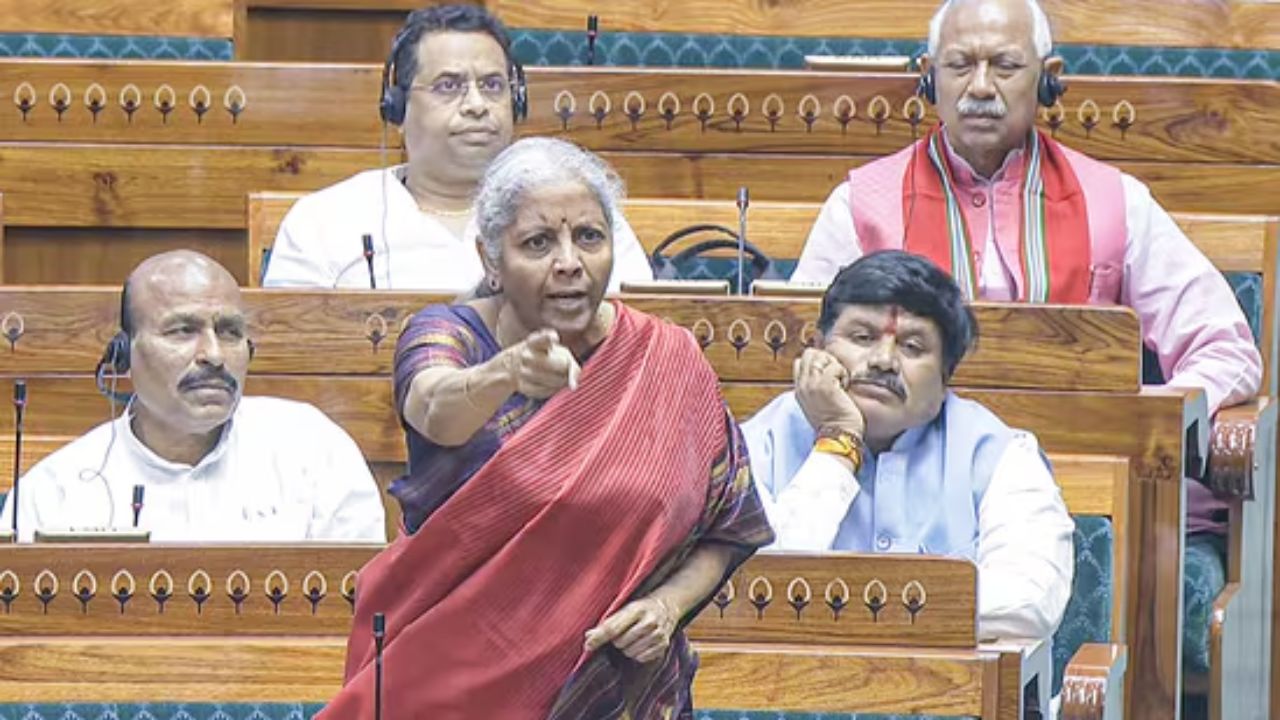
Rajya Sabha’s role is limited in Money Bills
New Delhi: Every year around Budget time, a familiar question resurfaces: If Finance Minister Nirmala Sitharaman is a Rajya Sabha MP, how does she present the Union Budget in the Lok Sabha? The confusion is understandable—but the answer lies at the heart of India’s constitutional design.
In India’s parliamentary system, the Lok Sabha is the House of the People, while the Rajya Sabha represents the states. Since the Union Budget deals with taxes, spending, and public money, it must be introduced in the Lok Sabha. This leads many to wonder how a minister who is not a Lok Sabha member can present it there.
Union Budget 2026: 10 key facts you should know ahead of February 1 presentation
The Constitution of India allows a Union Minister to be a member of either House of Parliament. There is no requirement that the Finance Minister must belong to the Lok Sabha. What matters is the office, not the House membership.
Nirmala Sitharaman, though a Rajya Sabha MP, is fully empowered as Finance Minister to enter the Lok Sabha and present the Budget herself. This is not an exception—it is a well-established parliamentary practice.
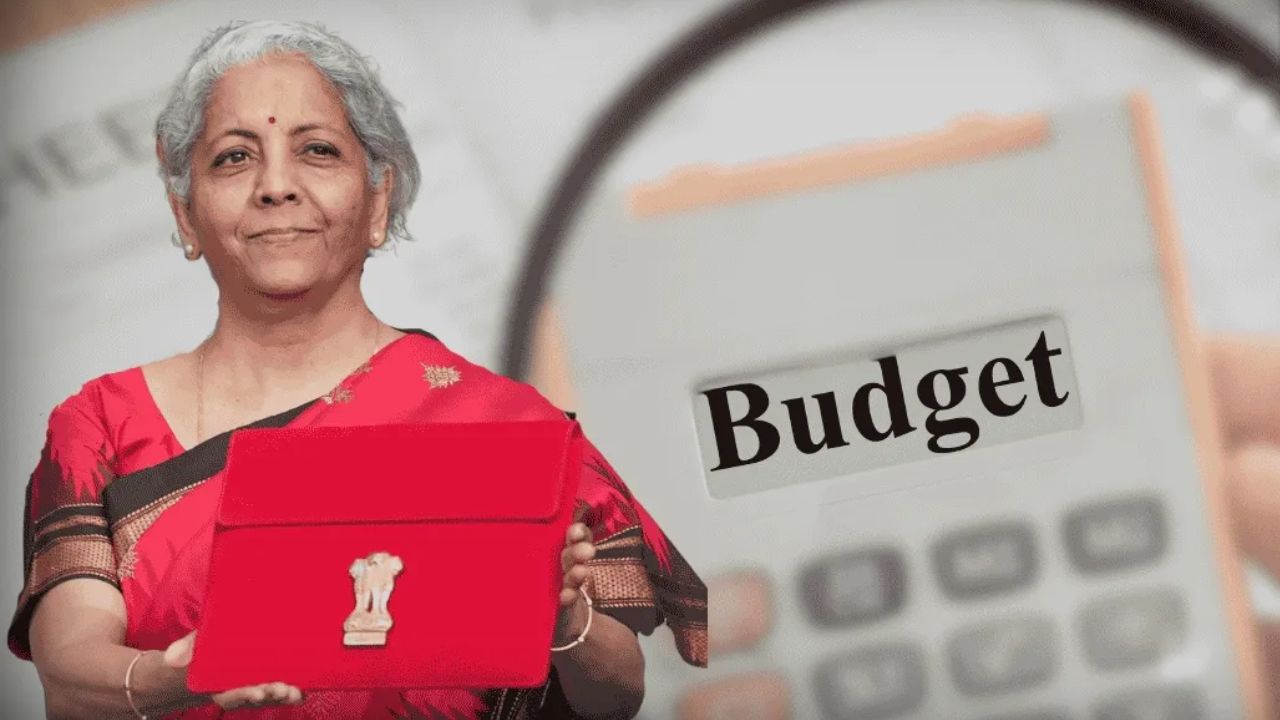
Nirmala Sitharaman to present Union Budget on Sunday
The Union Budget is classified as a Money Bill. Under Article 109 of the Constitution, Money Bills can only be introduced in the Lok Sabha. The Rajya Sabha can discuss the Budget and suggest changes, but it cannot block or amend it. The final authority rests with the Lok Sabha.
This rule exists because the Lok Sabha is directly elected by the people and therefore has greater control over public finances.
Nirmala Sitharaman is far from the first Rajya Sabha MP to present the Budget. Former Prime Ministers and Finance Ministers like Manmohan Singh and Pranab Mukherjee did the same while being members of the Rajya Sabha. Their Budgets were tabled in the Lok Sabha without any constitutional issue.
On Budget Day, the Finance Minister physically walks into the Lok Sabha chamber, delivers the Budget speech, and tables the Budget documents. After this, the discussion continues in both Houses, following parliamentary procedure.
This system highlights the balance built into India’s democracy. While expertise and leadership can come from either House, the power over public money remains firmly with the people’s representatives in the Lok Sabha.
In short, yes—Nirmala Sitharaman tables the Budget in the Lok Sabha herself, and she does so fully within the framework of the Constitution.


