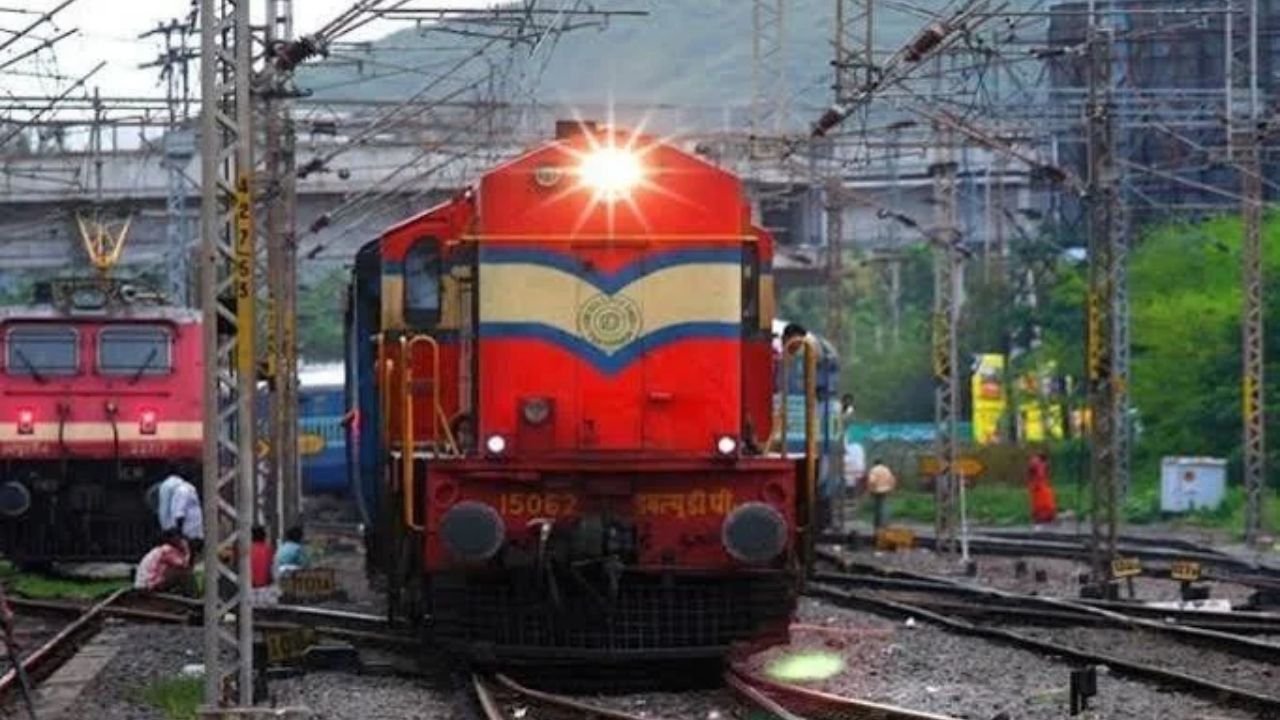
New Gati Shakti Cargo Terminals boost India’s railway logistics network. (Img: Google)
New Delhi: Indian Railways has registered a major growth boost in August 2026 with freight loading rising 5.4 percent compared to last year, signalling stronger demand from industries and the economy. At the same time, the expansion of Amrit Bharat train services and cargo terminals has accelerated India’s railway modernisation push.
The latest performance data highlights how Indian Railways is transforming into a powerful logistics and mobility backbone, supporting industrial growth, supply chain efficiency and affordable travel for millions of passengers.
Indian Railways witnessed a significant rise in freight movement during August 2026, loading 137.9 million tonnes of goods compared to 130.9 million tonnes in August 2025.
The 5.4 percent year-on-year growth reflects increasing reliance on rail transportation for carrying essential commodities, industrial raw materials and commercial goods across the country.
Freight revenue also recorded a growth of 6.27 percent compared to the previous year, highlighting the strengthening performance of Indian Railways’ freight business.
The increase comes as India continues to focus on reducing logistics costs, improving supply chain networks and creating faster transportation solutions for industries.
Several major commodity segments contributed to the rise in freight loading during August. Iron ore transportation recorded a strong 12.1 percent growth, while clinker movement increased by 10.4 percent. Domestic container loading rose by 9.2 percent, reflecting growing use of railways for commercial transportation.
Coal loading increased by 6 percent, supporting energy supply chains and industrial operations across the country. Finished steel movement registered 4.9 percent growth, mineral oil increased by 3.1 percent, fertiliser loading grew by 1.6 percent and other goods recorded an 8.2 percent rise.
The growth across multiple sectors shows the increasing importance of rail freight in supporting manufacturing, infrastructure projects and essential supply chains.
Indian Railways commissioned five new Gati Shakti Cargo Terminals in August 2026, taking the total number of commissioned terminals to 149. The newly operational terminals are located at Shivlakha in Gujarat, Nalli in Tamil Nadu, Shaktinagar in Uttar Pradesh, Deoragram in Madhya Pradesh and Brajrajnagar in Odisha.
These terminals are aimed at improving last-mile freight connectivity by bringing cargo-handling facilities closer to industrial hubs, production centres and consumption markets. The expansion is expected to reduce freight handling time, improve cargo evacuation and provide industries with better access to rail-based transportation.
The Gati Shakti Cargo Terminal initiative is part of India’s broader logistics transformation strategy aimed at creating an efficient multimodal transport network.
Passenger connectivity also received a major boost in August 2026 as 14 Amrit Bharat services were converted from special train operations into regular services. With this expansion, the total number of Amrit Bharat services has increased to 86, connecting important regions across Uttar Pradesh, Bihar, Gujarat, Maharashtra, Tamil Nadu and other states.
The newly regularised routes include Gorakhpur-Bandra Terminus, Gorakhpur-Delhi Junction, Ahmedabad-Bhagalpur, Subedarganj-Lokmanya Tilak Terminus, Prayagraj Junction-Udhna Junction and Dhanbad-Coimbatore.
The expansion provides passengers with more affordable long-distance travel options while strengthening connectivity between regional cities and major metropolitan centres.
The expansion of Amrit Bharat services is expected to benefit passengers from Purvanchal and eastern Uttar Pradesh. The Gorakhpur-Bandra Terminus and Gorakhpur-Delhi routes will improve connectivity between the region and major employment, education and business centres.
The Ahmedabad-Bhagalpur service will create a stronger rail link between Gujarat and Bihar, helping passengers travelling for work, trade and family purposes. The Dhanbad-Coimbatore route will improve connectivity between eastern and southern India, connecting industrial zones and employment destinations.
Along with freight growth, Indian Railways recorded an increase in passenger movement during August 2026. The national transporter carried 67.27 crore passengers during the month compared to 64.43 crore passengers in August 2025.
Suburban passenger traffic witnessed a significant rise of 9.02 percent, increasing from 34.89 crore passengers in August 2025 to 38.01 crore passengers in August 2026. The growth highlights the continued importance of railways as India’s most affordable and accessible transportation network.
To handle increased passenger demand during the festival season, Indian Railways operated additional special train services. A total of 144 Rakshabandhan Special train trips were operated between August 25 and August 31, 2026, compared to 48 trips during August 8 to August 14, 2025.
The increase in special services helped passengers travel to their hometowns during the festive period while reducing pressure on regular trains. Festival-season railway planning has become a crucial part of passenger management as millions of people travel during major celebrations.
The August 2026 performance reflects the changing role of Indian Railways from a traditional transport system into a modern economic infrastructure network. The rise in freight loading is strengthening industrial supply chains, while new passenger services are improving mobility across regions.
With expanding cargo terminals, increasing train services and infrastructure upgrades, Indian Railways is moving towards a more efficient, technology-driven and globally competitive transportation ecosystem.
Indian Railways is expected to continue expanding freight capacity, modernising infrastructure and improving passenger connectivity. With rising industrial demand and increasing travel needs, railway expansion will remain a key component of India’s economic growth strategy.
Future focus areas are likely to include faster freight movement, improved logistics integration, new passenger corridors and technology-based railway operations.

