English
 English

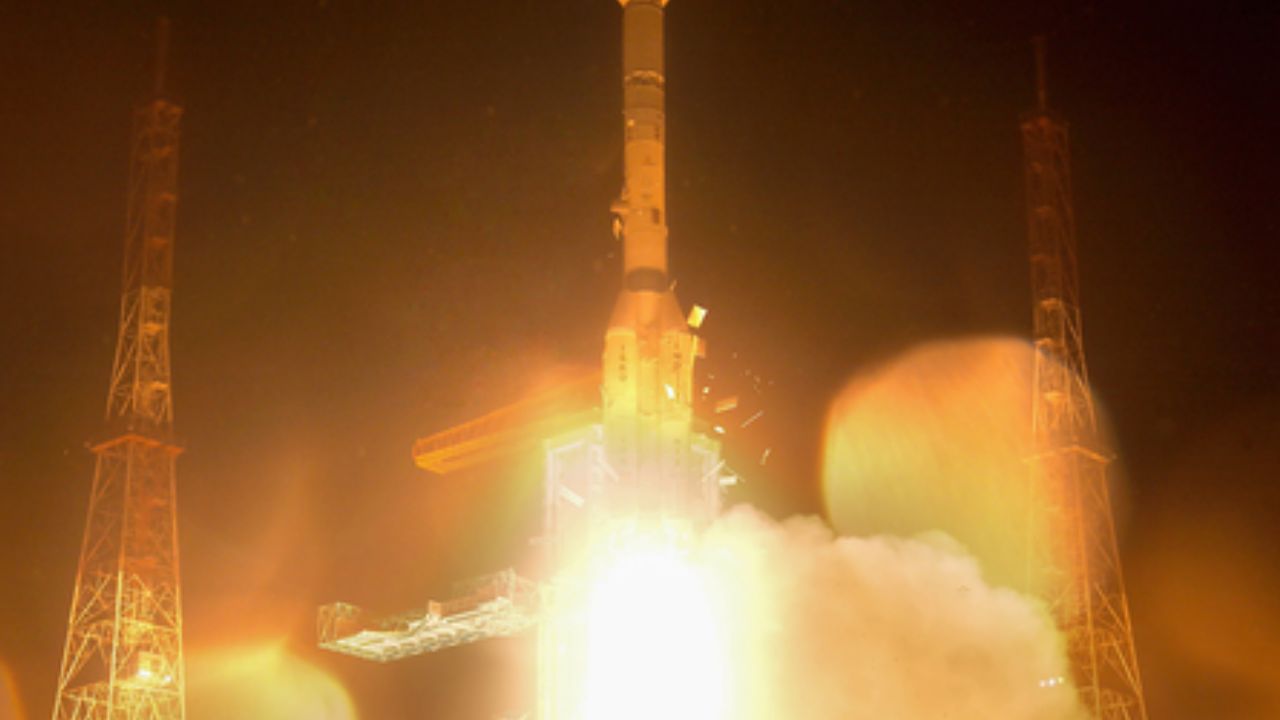
ISRO successfully launches the GSLV-F18 rocket carrying the next-generation NVS-03 navigation satellite. (Img: X , ISRO)
Sriharikota: The Indian Space Research Organisation (ISRO) has achieved another milestone in India's space programme with the successful launch of its next-generation navigation satellite, NVS-03. The mission is expected to strengthen the country's independent navigation infrastructure and improve the reliability of the Navigation with Indian Constellation (NavIC) system.
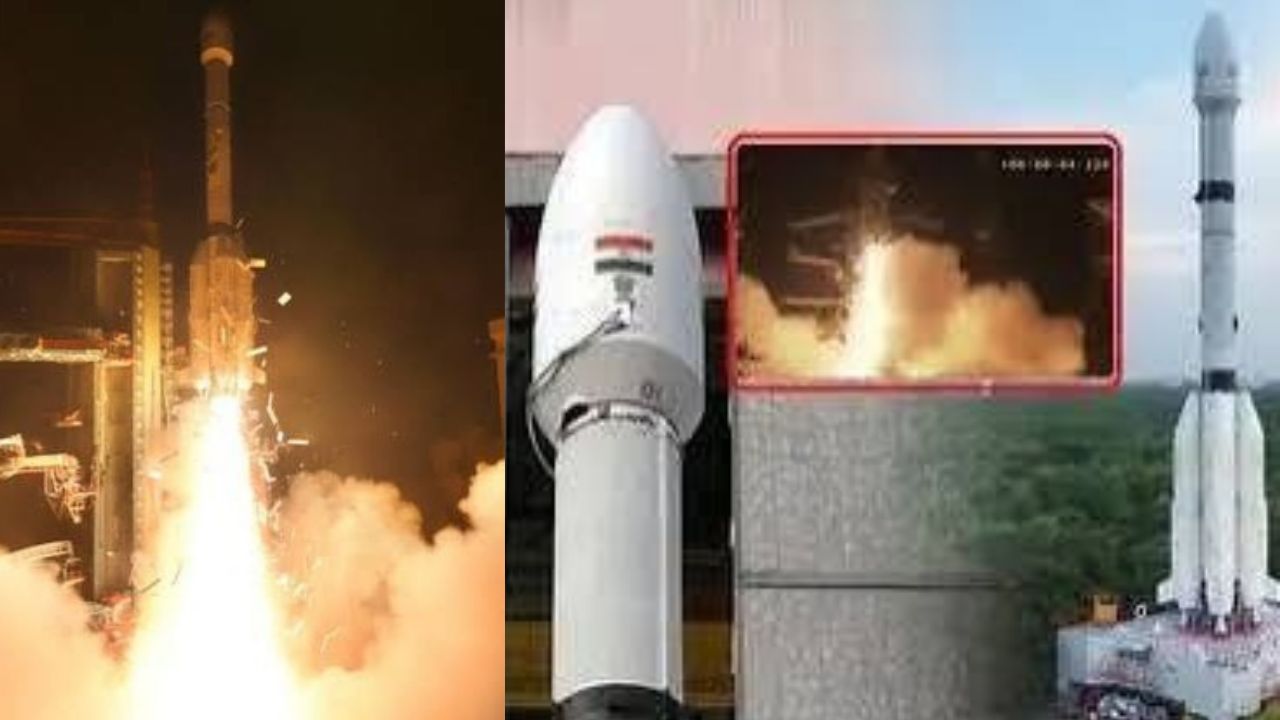
The GSLV-F18 rocket lifted off from the second launch pad at the Satish Dhawan Space Centre in Sriharikota at 11:51 pm on Friday. Carrying the 2,250-kg NVS-03 satellite, the launch vehicle successfully completed its mission and placed the spacecraft into the intended transfer orbit.
Also Read: mIndian IT Firms Generate USD 1.7 Billion From AI as TCS, Infosys Lead Revenue Race
GSLV-F18/NVS-03 Mission:
Watch highlights of the journey from lift-off to spacecraft separation.
Mission details:
https://t.co/wtZ6TmjUhc#GSLVF18 #NVS03 #ISRO #NavIC https://t.co/wstykeeMK9
— ISRO (@isro) October 31, 2026
The satellite reached its initial orbit approximately 18 minutes after liftoff. The mission marked the 20th flight of India's Geosynchronous Satellite Launch Vehicle (GSLV).
ISRO Chairman V Narayanan confirmed that the satellite was healthy following deployment and that its solar panels had been successfully deployed.
NVS-03 is the third spacecraft in ISRO's second-generation navigation satellite series. It has been developed to maintain and improve the operational capabilities of NavIC, India's regional satellite navigation system.
One of its key features is the inclusion of an additional L1 frequency signal alongside the existing L5 and S-band signals. This is expected to improve compatibility with other global navigation systems and expand NavIC's applications in civilian sectors.
Also Read: Cyclone Arnab Triggers Landslides in Odisha , 12 People Missing
The satellite also carries an indigenously developed atomic clock, an important component for accurate positioning and timing services.
NavIC had been operating with only three functional satellites, below the four-satellite minimum required for standalone positioning services. The successful deployment of NVS-03 is expected to help address this limitation once the satellite is commissioned.
ISRO plans to launch five second-generation navigation satellites, from NVS-01 to NVS-05, to improve the system's coverage, continuity and reliability.
The mission represents an important step towards strengthening India's self-reliance in satellite-based navigation technology.