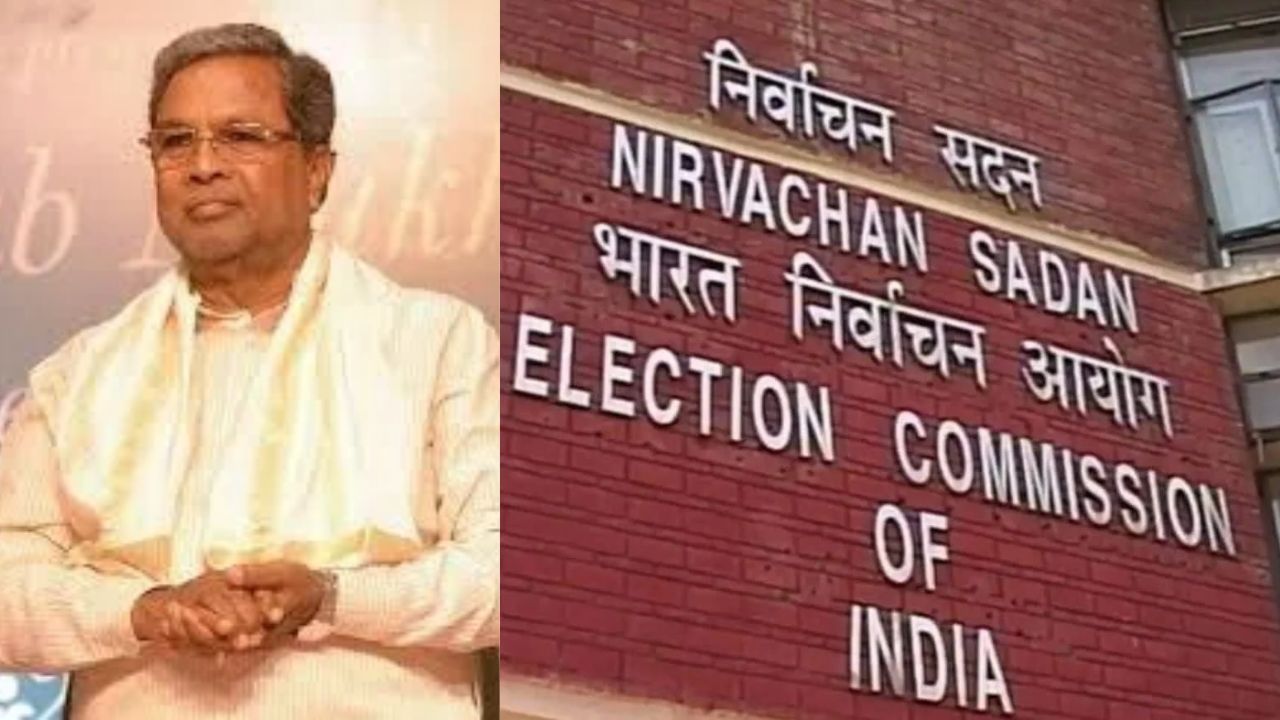
Karnataka’s final electoral roll is out, with 99.32 lakh fewer names than before the revision. (Img: X)
New Delhi: The Election Commission of India (ECI) on Tuesday published Karnataka’s final electoral roll after a Special Intensive Revision, with 4.55 crore eligible voters remaining after 99.32 lakh names were excluded. The revision has drawn attention amid a political dispute over voter deletions, Form-7 applications and concerns about ensuring that eligible citizens are not left off the electoral list.
The final roll, released on Tuesday, shows that women outnumber men among registered voters in Karnataka. The scale of the changes has also put the spotlight on the Election Commission’s verification process and the safeguards available to people seeking inclusion or correction of their voter details.
Karnataka’s final electoral roll now contains approximately 4.55 crore voters, compared with 5.44 crore before the Special Intensive Revision (SIR) began. According to the figures released with the final list, 99.32 lakh names were excluded during the revision exercise.
The scale of the reduction makes the Karnataka voter list revision a significant electoral development, particularly because electoral rolls determine who can participate in elections. However, the exclusion figure alone does not establish that all removed entries belonged to eligible voters.
The reasons for individual exclusions and the availability of remedies for affected electors remain important to understanding the final outcome. The revision process began on June 30 and involved house-to-house visits by Booth Level Officers (BLOs), who checked voter details and identified entries requiring further verification.
The final electoral roll records 2,29,12,355 women voters and 2,25,40,493 men voters. Another 2,841 electors are categorised under the third gender, while the number of overseas electors stands at 3,252.
The figures show that women account for a larger share of registered voters than men in the state. This makes the gender-wise composition of the final list an important feature of Karnataka’s electoral profile.
For political parties, the updated numbers will be relevant to constituency-level voter outreach and election planning. For citizens, the central concern is whether the list accurately reflects eligible voters and whether anyone whose name is missing can seek correction or inclusion through the prescribed process.
The Special Intensive Revision was undertaken to verify electoral records through field-level checks and identify entries requiring correction or removal. During house-to-house visits, Booth Level Officers placed more than one crore entries in categories associated with absent, shifted, deceased or duplicate voters, collectively referred to as ASDD.
The process also generated 43,82,824 notices for voters whose records fell under no-mapping or discrepancy categories. Officials said hearings on these notices had been completed ahead of the final roll’s publication.
The draft electoral roll published in August had reduced the electorate to around 4.46 crore. Following claims, objections and further verification, the final list added approximately 8.64 lakh electors compared with the draft roll, taking the total to 4,55,00,011.
The distinction between the draft and final lists is important: the final figure reflects both removals and subsequent inclusions. The overall electorate nevertheless remains nearly one crore lower than before the revision.
The revision has unfolded amid political controversy over allegations of attempts to remove voters in large numbers. Karnataka Chief Minister D K Shivakumar had claimed that 50 lakh Form-7 applications seeking voter deletions had been printed in the state.
The Election Commission’s reported figures were substantially lower: its office received 2,28,917 Form-7 applications by the September 23 deadline for claims and objections, according to a report published ahead of the final roll. Form 7 is used to object to a proposed inclusion in the electoral roll or request deletion of an existing entry.
Chief Electoral Officer V Anbukkumar had maintained that no voter’s name was deleted on the basis of the Form-7 applications cited in the controversy, according to the information provided in the report. The competing claims have made transparency around the revision process a major point of political debate.
The central question is whether the final list accurately reflects eligible voters and whether people whose names were removed have an accessible route to challenge an incorrect deletion. The scale of the revision makes clear communication about the reasons for removal and the procedures for restoration especially important.
The publication of the final roll makes it important for electors to verify their registration details rather than assume that their names remain unchanged. The Chief Electoral Officer’s office has advised voters to check the updated list through election authorities, including Electoral Registration Officers, Assistant Electoral Registration Officers and Booth Level Officers. The final rolls are also available through the Karnataka CEO website and the Election Commission’s voter services portal.
Eligible citizens whose names are missing can seek inclusion by submitting Form 6 through the prescribed process. Voters should check their electoral details, polling-station information and updated serial numbers, and contact the relevant election official if they find an error. The Election Commission has also planned a special enrolment drive following the SIR exercise, with an emphasis on helping eligible voters who may have been left out.

