VHP’s Navratri guidelines put Maharashtra garba celebrations under spotlight
Mumbai: A fresh controversy has emerged in Maharashtra ahead of Navratri celebrations after the Vishva Hindu Parishad (VHP) announced guidelines for garba and dandiya organisers, focusing on participant verification and maintaining the religious character of festival events.
The announcement, coming weeks before Navratri begins on October 11, has triggered discussions across political and social circles over religious identity, cultural traditions and participation in public celebrations.
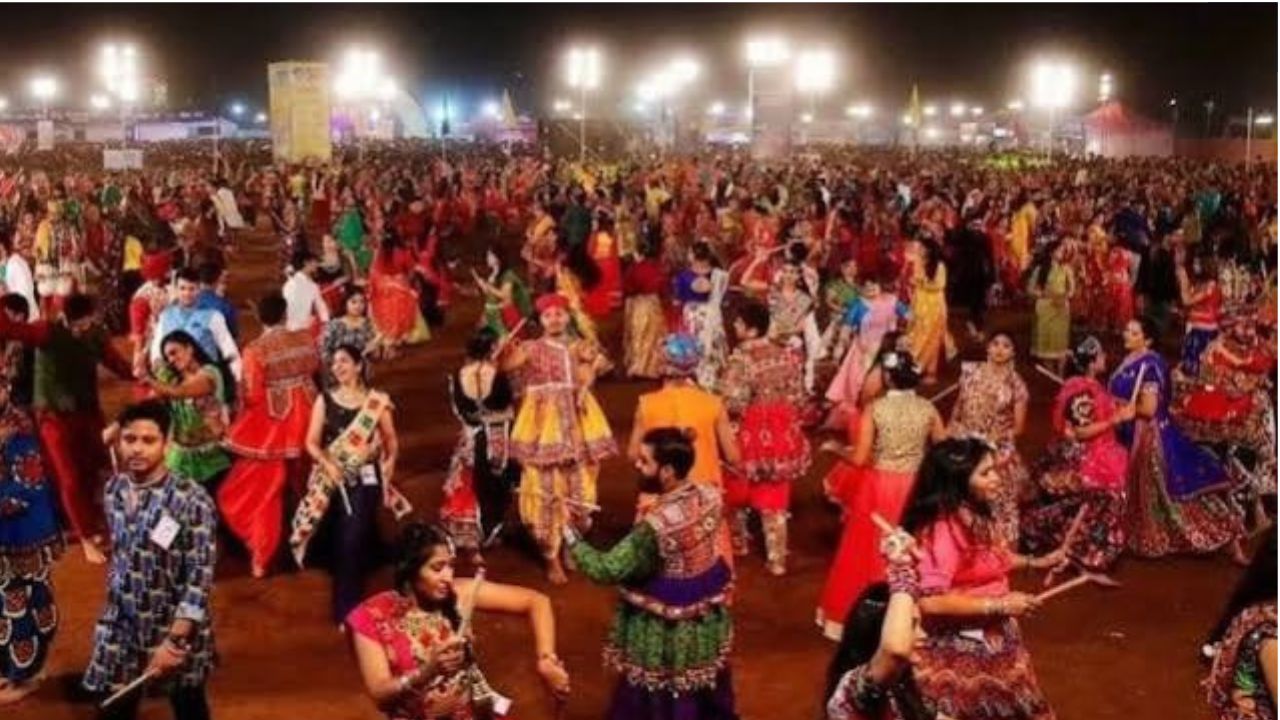
Garba and dandiya nights are among the biggest attractions during Navratri in Maharashtra, drawing thousands of people every year. The latest development has put organisers under the spotlight as they prepare for large-scale festive gatherings across the state.
The VHP has urged organisers of Navratri garba and dandiya programmes to take steps to verify the identity of participants before allowing entry. The organisation has suggested measures including checking identification documents and applying tilak at entry points as part of its proposed guidelines.
According to the VHP, these measures are intended as precautionary steps to ensure that festival events maintain their religious and cultural character.
The VHP’s announcement has opened a wider discussion around the nature of religious festivals in modern India. While supporters of the move argue that traditional religious events should preserve their cultural identity, critics have raised questions over restrictions based on community identity and participation in public celebrations.
The debate highlights the growing intersection of religion, culture and public spaces, especially during major festivals that attract participation from diverse sections of society.
The VHP has maintained that Navratri is not merely a cultural event but a religious festival dedicated to Goddess worship. The organisation has argued that participation in such celebrations should be aligned with the traditions and beliefs associated with the festival.
The issue has gained attention as garba events have evolved over the years from community gatherings into large public celebrations featuring music, dance, entertainment and cultural performances.
With Navratri approaching, event organisers across Maharashtra are now facing questions about implementing new participation guidelines while ensuring smooth management of celebrations.
Large garba and dandiya events require extensive planning, including security arrangements, crowd management, venue permissions and coordination with local authorities. The latest controversy could add another layer of challenges for organisers preparing for the upcoming festive season.
The VHP has stated that its guidelines are not aimed against any particular community and described them as preventive measures. The organisation has maintained that its objective is to protect the cultural and religious traditions associated with Hindu festivals. However, the announcement has continued to generate reactions, with different groups expressing their views on the issue.
The controversy comes at a time when debates around cultural identity, religious participation and social harmony continue to remain significant topics in public discourse.
Political observers believe such issues often gain prominence during major festivals as they influence discussions around community relations, traditions and public participation. The coming days may see further reactions from political parties, social organisations and garba event organisers across Maharashtra.

