English
 English

Nepal Flood Rescue Mission: Army Battles Mud, Debris and Rising Waters to Save Lives
Kathmandu: A major rescue breakthrough has brought a ray of hope amid Nepal’s devastating flood crisis, with the Nepali Army successfully saving around 350 people trapped inside the tunnel of the Upper Trishuli Hydropower Project in Rasuwa district.
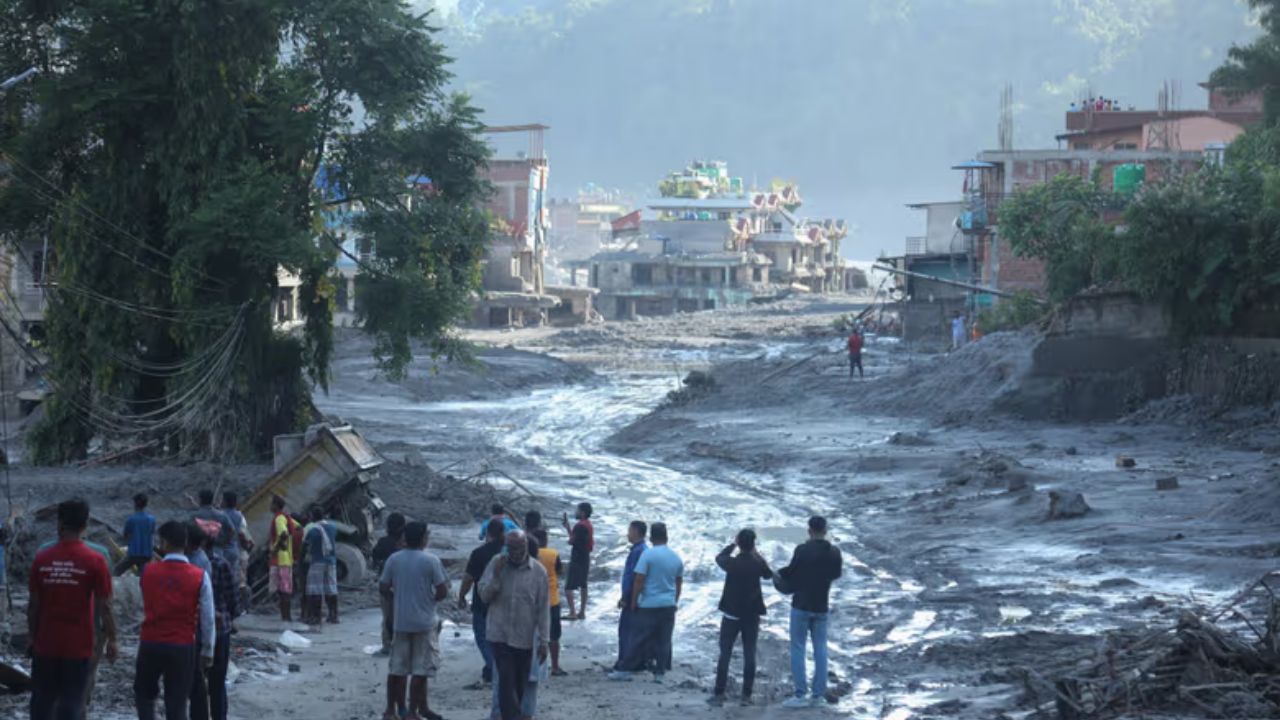
The dramatic evacuation operation was carried out after the Bhotekoshi River witnessed a sudden rise in water levels following heavy rainfall, triggering severe flooding in the area. The powerful river current disrupted infrastructure, created dangerous conditions and left several workers and local residents stranded inside the underground hydropower tunnel.
The situation turned into a life-threatening emergency as trapped individuals remained inside the tunnel with limited access to safety and communication. Responding swiftly, the Nepali Army deployed specialized rescue teams equipped with emergency gear and began a challenging evacuation mission in the flood-affected region.
After a high-risk operation, rescue personnel managed to bring around 350 people safely out of the tunnel. The successful evacuation was described as a major achievement in Nepal’s ongoing flood response efforts, offering relief to families and authorities waiting for updates about the trapped individuals.
However, the rescue mission is still underway. Officials have indicated that around 100 more people are believed to remain trapped inside the tunnel. Army personnel, disaster response teams and local authorities are continuing search and rescue operations to locate and evacuate those still stranded.
The rescue operation has been particularly challenging due to difficult terrain, rising water levels and the unstable conditions caused by the flood disaster. Teams on the ground are working under extreme pressure as every passing hour remains critical for those still waiting for help.
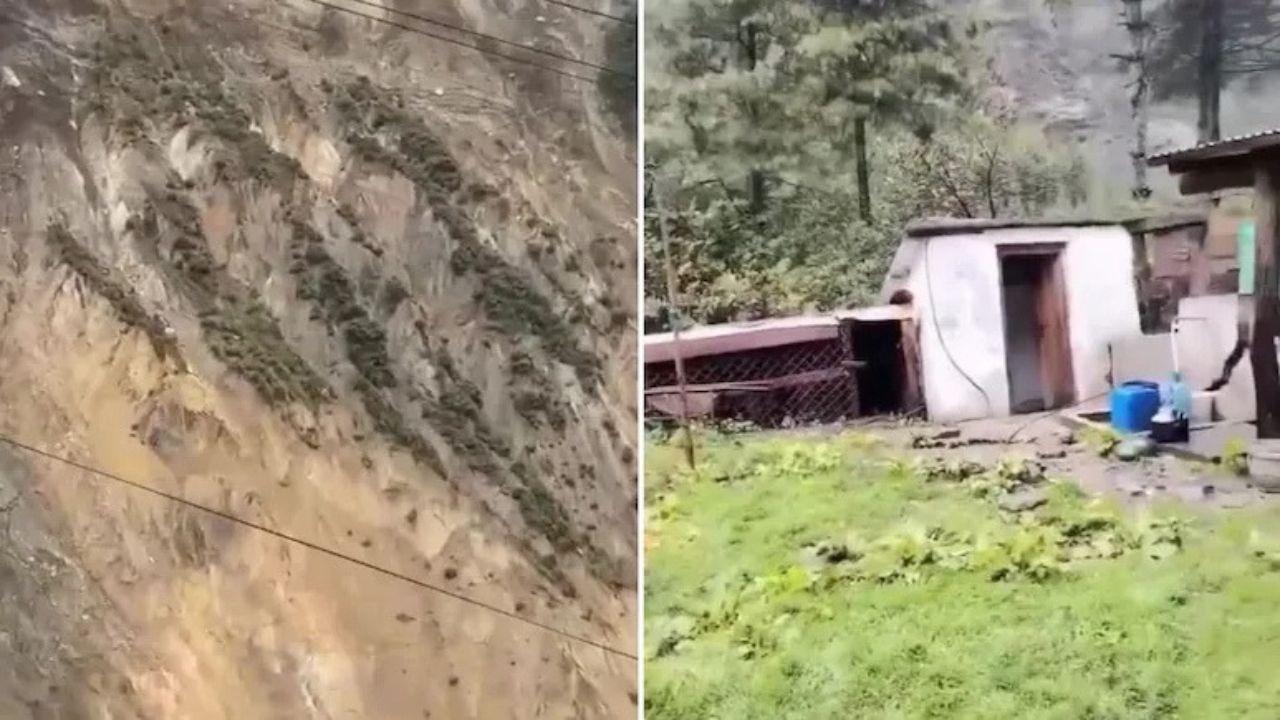
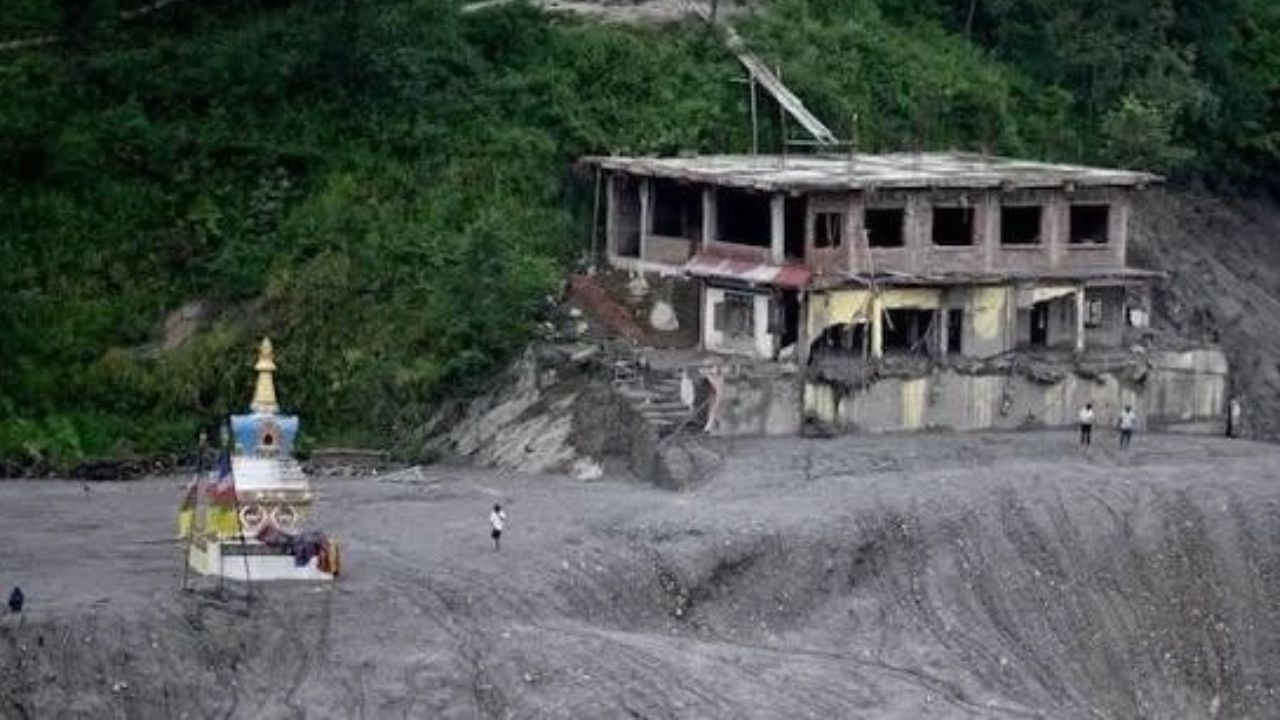
The Upper Trishuli Hydropower Project became one of the worst-affected locations after the Bhotekoshi River flood swept through parts of Rasuwa. The disaster has highlighted the vulnerability of Nepal’s mountainous regions, where sudden floods, landslides and extreme weather events frequently create dangerous situations.
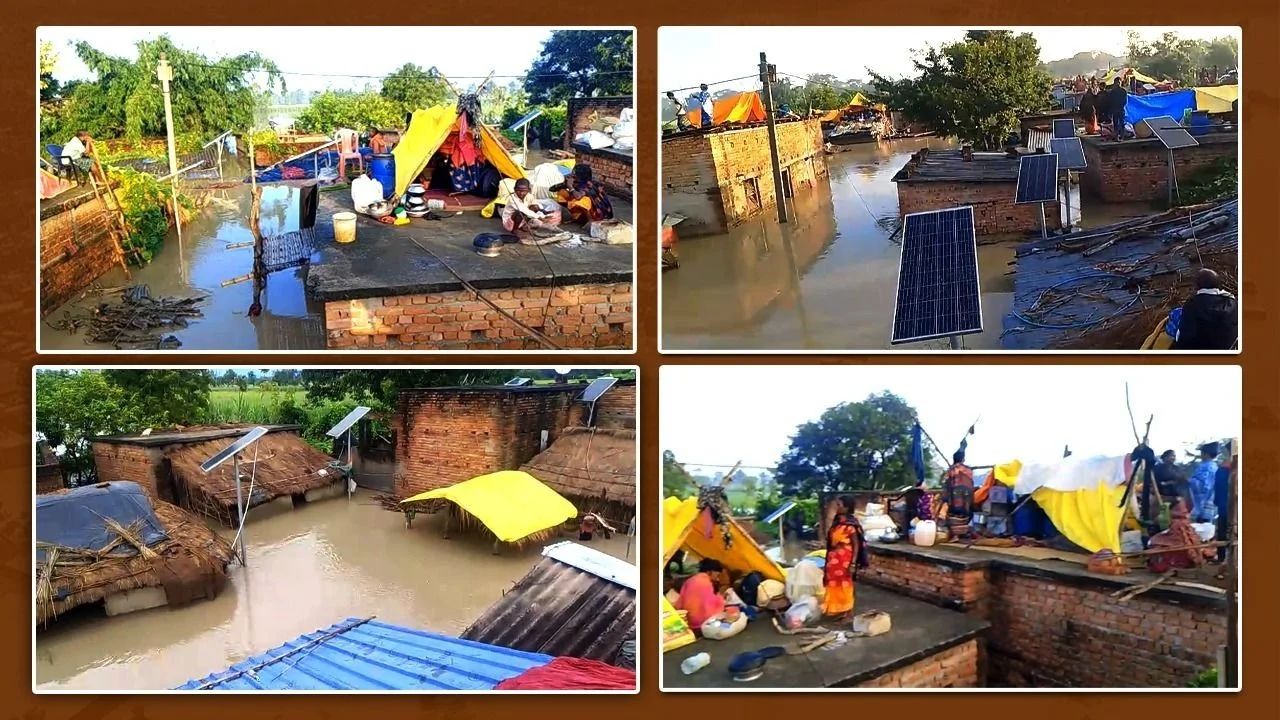
Across Nepal, rescue and relief operations have been intensified as authorities continue assessing the damage caused by the floods. Emergency teams are focusing on evacuating stranded people, providing medical assistance to survivors and ensuring essential supplies reach affected communities.
The Nepali Army has played a crucial role in the disaster response, coordinating with government agencies and local administration to manage the large-scale rescue effort. The successful evacuation of 350 people from the Trishuli tunnel has emerged as one of the biggest rescue operations during the current flood crisis.
As rescue teams continue their mission, attention remains focused on the remaining 100 people feared trapped inside the tunnel. Authorities are working against time to complete the operation and ensure that every possible survivor is brought back safely.
The Nepal flood tragedy has once again underlined the importance of rapid disaster response systems, advanced rescue capabilities and coordinated emergency operations in regions vulnerable to natural calamities.
For hundreds rescued from the darkness of the Trishuli tunnel, the operation has become a story of survival and hope. But for the families of those still waiting, the rescue mission continues with prayers and expectations of another miracle.