English
 English

NALSA's decision not to renew LADCS contracts has raised concerns over legal representation for undertrial prisoners across India. (Img: X)
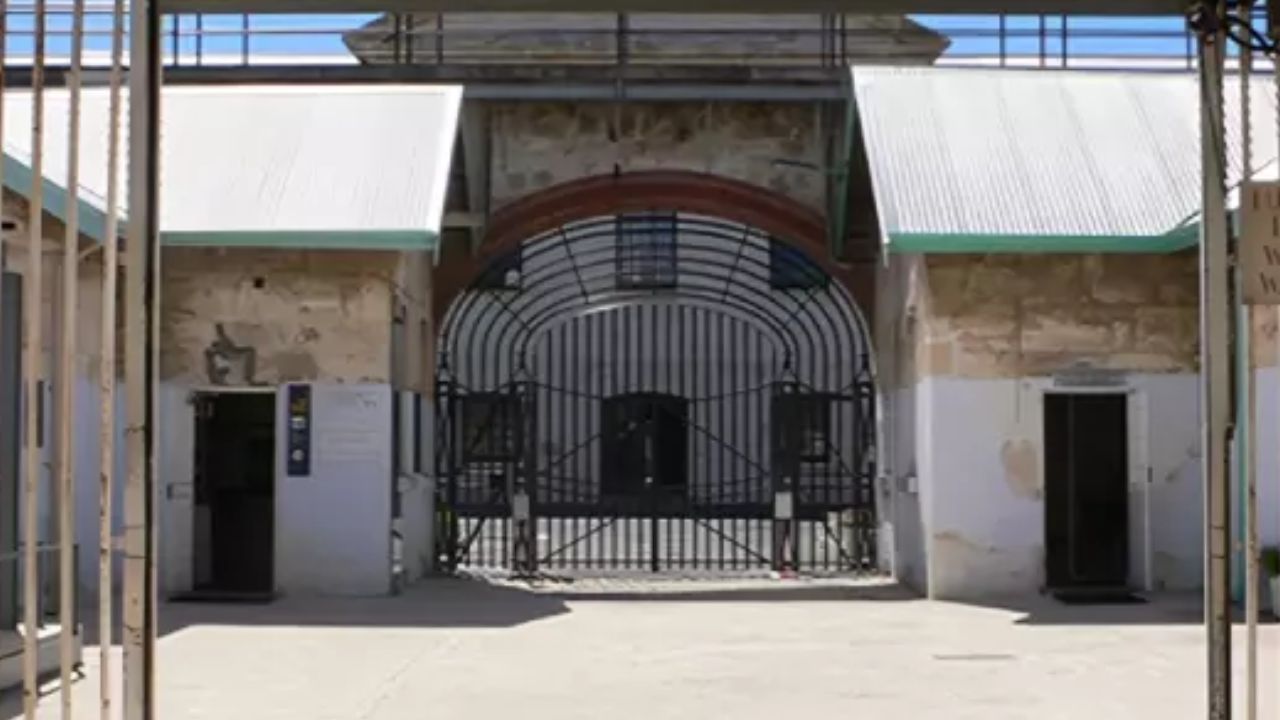
New Delhi: India's experiment with a dedicated public defender system for undertrial prisoners is facing an uncertain future, with the National Legal Services Authority (NALSA) deciding against renewing the contracts of lawyers appointed under the Legal Aid Defence Counsel System (LADCS). The move has raised concerns over the continuity of legal representation for thousands of accused persons, including those whose criminal trials are still underway.
Introduced to strengthen access to justice for people unable to afford private legal representation, the scheme has provided dedicated defence counsel to nearly three lakh undertrials since its expansion across the country in 2023. Its proposed winding down has triggered questions about how existing cases will be handled once the lawyers' contracts expire.
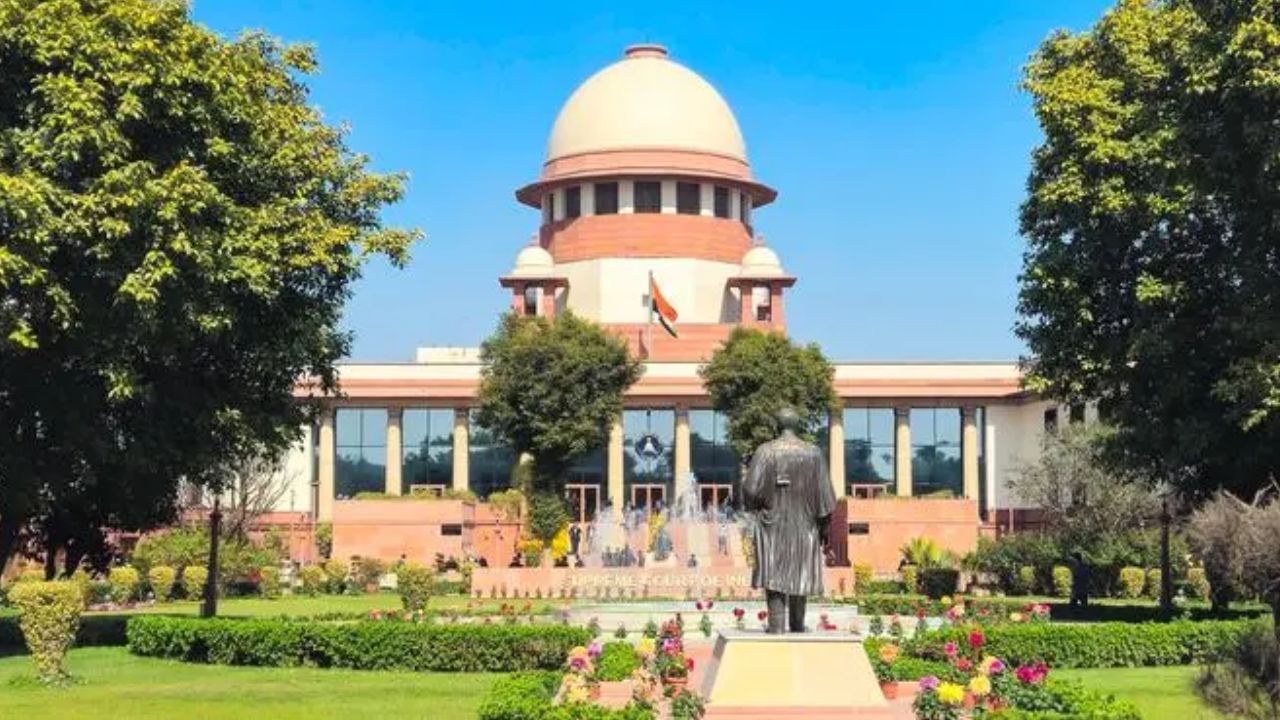
The decision has been challenged before the Supreme Court by an association representing LADCS lawyers and staff, along with district legal services authorities from Assam, Meghalaya and Nagaland.
The petitioners have questioned the move to discontinue the existing contractual arrangements, particularly in the absence of a clear transition plan for accused persons who currently depend on these lawyers.
The immediate concern is that undertrials could lose their existing defence counsel in the middle of criminal proceedings. Without a structured arrangement for transferring cases, they may face delays in securing replacement lawyers and maintaining continuity in their defence.
The controversy follows protests by bar associations in Punjab and Haryana, whose members alleged that the scheme was adversely affecting private legal practice by diverting cases to salaried legal aid counsel.
The LADCS was introduced to address longstanding shortcomings in the delivery of free legal assistance. Under the earlier arrangement, courts and legal services authorities assigned cases to private practitioners empanelled for legal aid work. These lawyers generally handled such matters alongside their regular practice and received payments linked to court appearances.
The system faced criticism over inadequate remuneration, delayed payments and difficulties in ensuring regular communication between lawyers and their clients. NALSA had also acknowledged concerns over the availability of panel advocates and instances in which beneficiaries were allegedly asked to pay for services meant to be free.
The new model adopted a different approach by appointing lawyers on fixed salaries, with their professional responsibilities confined to legal aid defence work. They were expected to consult prisoners, identify individuals requiring representation, prepare cases and remain involved throughout criminal proceedings.
The programme was subsequently extended to every district in the country, creating a network of lawyers dedicated to representing accused persons who could not afford private counsel.
The issue assumes significance in light of Article 39A of the Constitution, which directs the State to ensure that the legal system promotes justice on the basis of equal opportunity and provides free legal aid so that access to justice is not denied because of economic or other disabilities.
The Legal Services Authorities Act, 1987, also provides a statutory framework for legal assistance to eligible persons, including those in custody.
The effectiveness of legal aid, however, depends not merely on the formal appointment of a lawyer but also on the lawyer's availability, preparation and ability to represent the accused throughout the proceedings.
In 2021, former Supreme Court judge Justice U U Lalit, who was then associated with NALSA's leadership, had expressed concern over the limited reach of free legal services in criminal litigation. He questioned why legal aid remained inaccessible to a substantial section of people who could not afford the costs of litigation.
The dedicated counsel scheme was intended to bridge this gap by making defence representation a full-time professional responsibility rather than an additional assignment for lawyers engaged in private practice.
The implications of non-renewal are particularly serious for undertrials whose cases have progressed substantially under the existing legal aid arrangement.
A case involving 44 Somali nationals arrested in two piracy-related matters illustrates the problem. After alleging that privately engaged lawyers had taken money without adequately representing them, the accused approached a sessions court in Mumbai, which turned to the LADCS for assistance.
The men subsequently pleaded guilty and were sentenced to life imprisonment in August. Their legal aid lawyers continued to assist with arrangements concerning their transfer to Somalia to serve their sentences. However, the lawyers' contracts are due to expire in January, raising questions about who will take responsibility for the remaining work.
The concern extends beyond cases awaiting trial. Legal representation may remain necessary for post-conviction proceedings, sentence-related issues and other consequential legal steps.
Former Supreme Court judge Justice Abhay S Oka has expressed the view that difficulties associated with the scheme should be addressed through corrective measures rather than its wholesale discontinuation.
Among the possible alternatives are changes to the tenure of appointed lawyers and safeguards to address complaints raised by bar associations. He has also stressed the need for arrangements to protect undertrials who are already being represented under the scheme.
The dispute highlights the challenge of balancing the legitimate concerns of the legal profession with the obligation to ensure that economically disadvantaged accused persons have meaningful access to legal representation.
The immediate question is whether an alternative mechanism can be put in place before existing contracts expire, ensuring that pending criminal proceedings are not disrupted.
For undertrials who lack the financial means to engage private counsel, the uncertainty surrounding the scheme is not merely an administrative issue. It could determine whether they continue to receive effective legal representation while their cases remain before criminal courts.