 English
 English

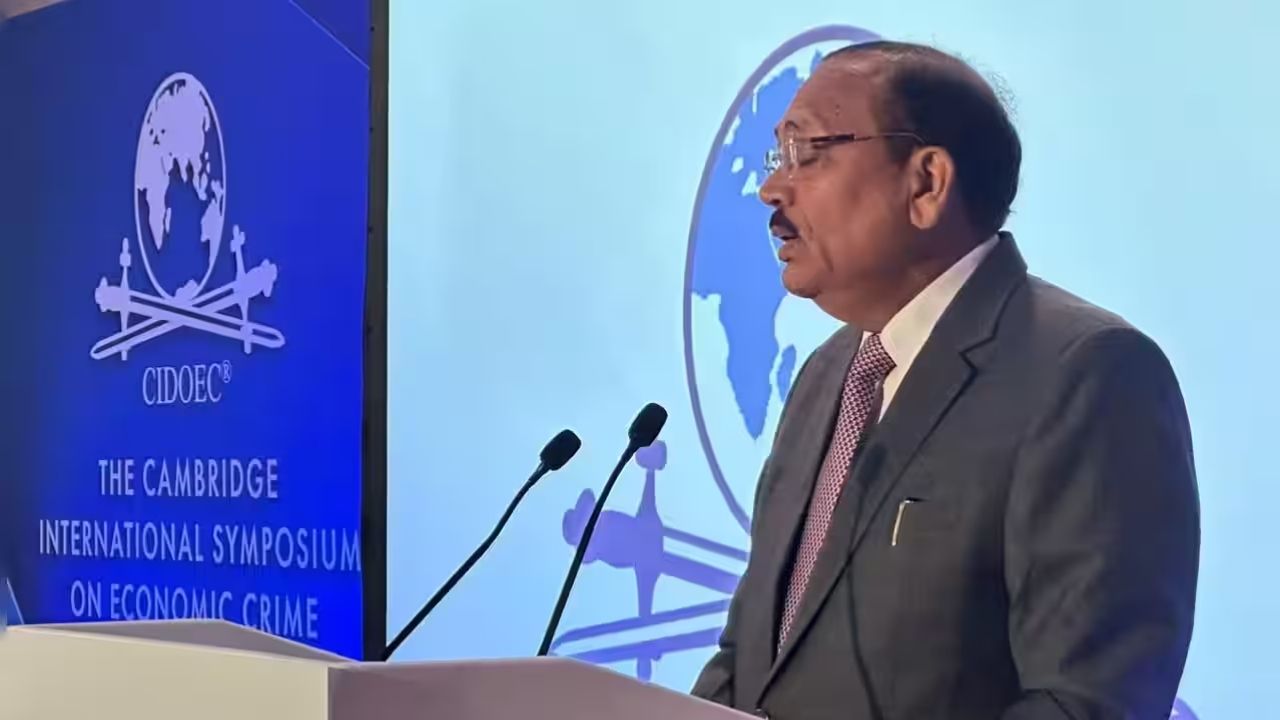
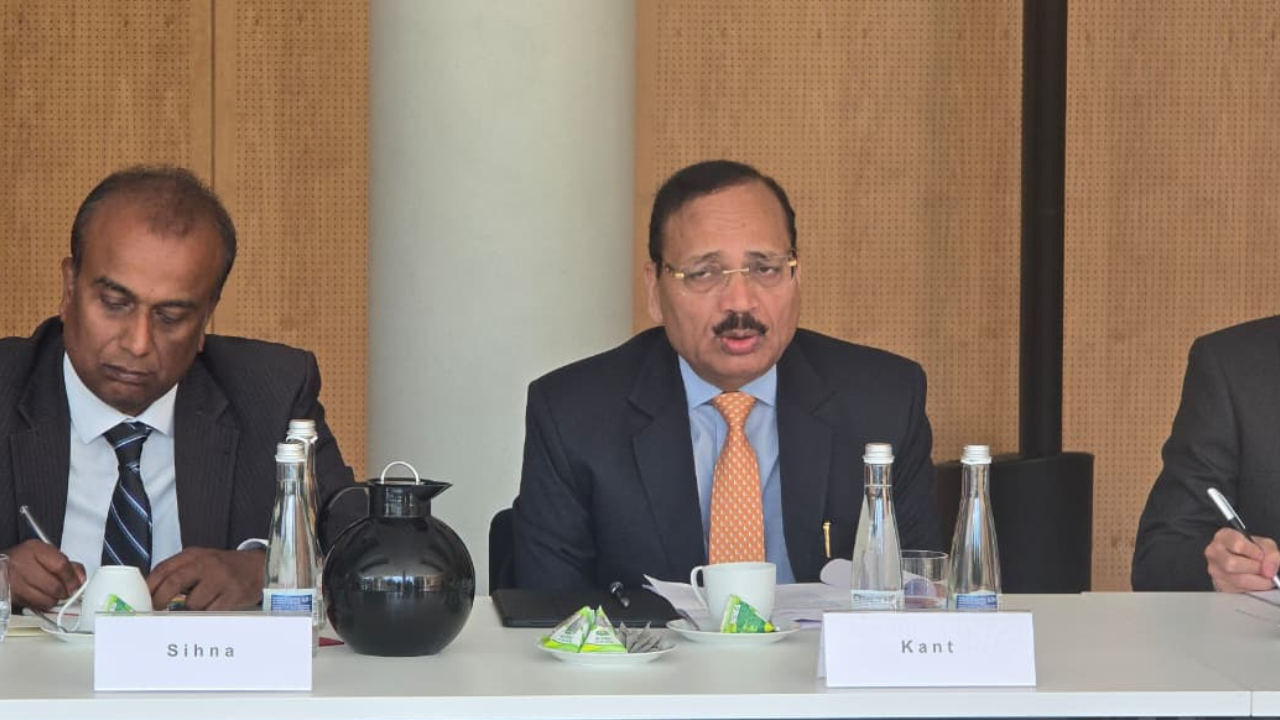
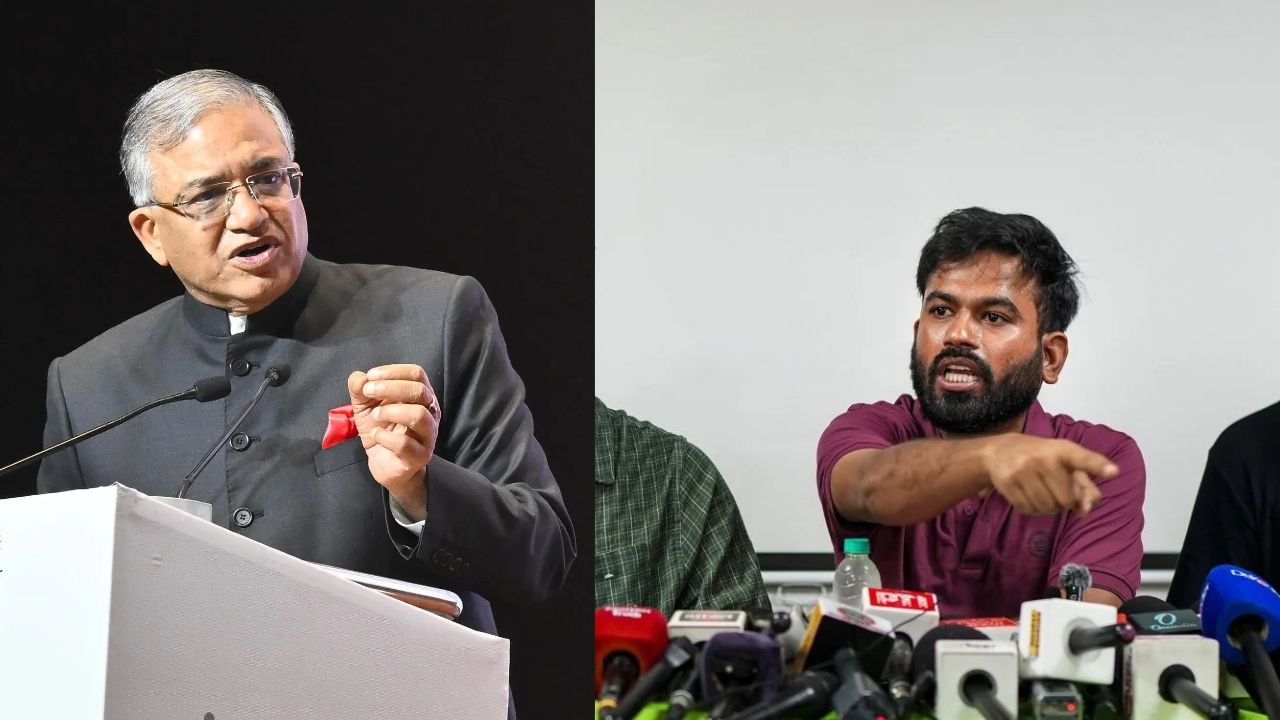
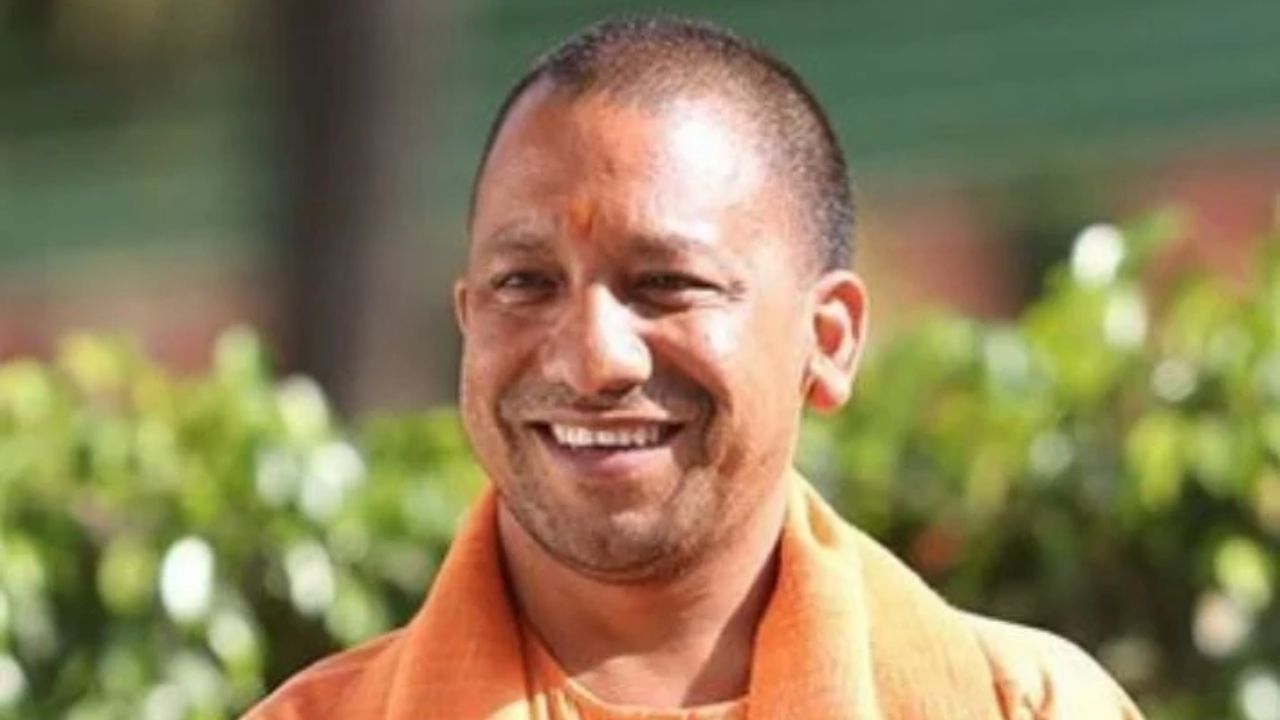
CJI Surya Kant delivers a powerful message on protecting children from the stigma of substance abuse. (Img: X)
Patna: Chief Justice of India (CJI) Justice Surya Kant on Saturday called for a fundamental shift in the manner in which the justice system and society respond to children affected by substance abuse, stressing that addiction must never become the defining identity of a child.
Addressing the national seminar on "Restoring Childhood – Preventing Drug Abuse and Re-integration of Children in Need of Care and Protection" at Bihar Lok Bhawan, Patna, the CJI said the gathering represented a collective resolve to reclaim childhood from the shadows of addiction and create meaningful pathways towards recovery, dignity and reintegration.
## ‘Behind Every Number Is A Child Whose Circumstances Are Different’
Referring to an August 2026 study published in The Lancet Regional Health – Southeast Asia, Justice Surya Kant highlighted the scale of vulnerability to substance use among adolescents in India.
He cautioned against viewing the issue merely through statistics, observing that every figure represents a child whose experiences and circumstances may be markedly different from those of another.
“Behind every number is a child whose circumstances differ from another's,” the CJI said, emphasising that the diverse pathways through which children become vulnerable to substance abuse require responses that recognise those individual differences.
Substance Use Must Not Become A Child’s Defining Identity
Justice Surya Kant underscored the need to move away from labels and stigma while dealing with children affected by substance use.
The fact that a child has used a substance, he said, may reveal one aspect of the child's circumstances but cannot explain the experiences that preceded it, the dangers that may continue to surround the child or the nature of support necessary to facilitate recovery.
The CJI stressed that the justice system must therefore look beyond the immediate fact of substance use and seek to understand the circumstances in which the child became vulnerable.
Firm Action Against Exploiters, Rehabilitation For Vulnerable Children
Drawing a distinction between children struggling with substance use and those who exploit them, Justice Surya Kant said the law must respond firmly to persons who prey upon children or facilitate the circulation of drugs.
However, when the justice system encounters a child affected by substance use, he said, the questions before it must be fundamentally different.
The focus, according to the CJI, should be on ensuring that a period of vulnerability or difficulty does not become the defining narrative of the child's entire life.
‘ Restoration’ Means Reclaiming The Conditions Of Childhood
Explaining the concept of restoration, Justice Surya Kant said it should not be understood as an attempt to erase the harm a child has suffered or to turn back the clock.
Instead, restoration must involve creating conditions in which children can once again experience what childhood ought to provide—education, relationships, play, trust and confidence in a future beyond the present difficulty.
He said rehabilitation must consequently extend beyond addressing substance dependence and encompass the social and emotional environment in which the child is expected to rebuild life.
De-Addiction Cannot Be Treated As Merely A Clinical Exercise
The CJI cautioned that de-addiction cannot be viewed solely as a medical or clinical intervention.
While treatment may address the immediate consequences of substance use, he said, genuine restoration requires the system to consider what the child will return to once treatment concludes.
This, he indicated, makes a safe family environment, continued education and sustained institutional support integral to successful rehabilitation and reintegration.
Access To Justice Begins Before A Matter Reaches Court
Justice Surya Kant also highlighted the role of Legal Services Institutions in protecting and supporting children in vulnerable situations.
“Access to justice begins well before a matter reaches a courtroom,” he observed, underlining the importance of ensuring that children receive timely legal assistance, protection and institutional support before their circumstances escalate into formal litigation.
‘Children Are Citizens Of Today’
Concluding his address, the CJI emphasised that children should not be viewed merely as future citizens, but as citizens whose rights and dignity require protection in the present.
He called for a system in which no child is reduced to “a diagnosis, a case number, a past mistake”, and where every child whose childhood has been threatened has a meaningful pathway back to safety, dignity, belonging and hope.