 English
 English

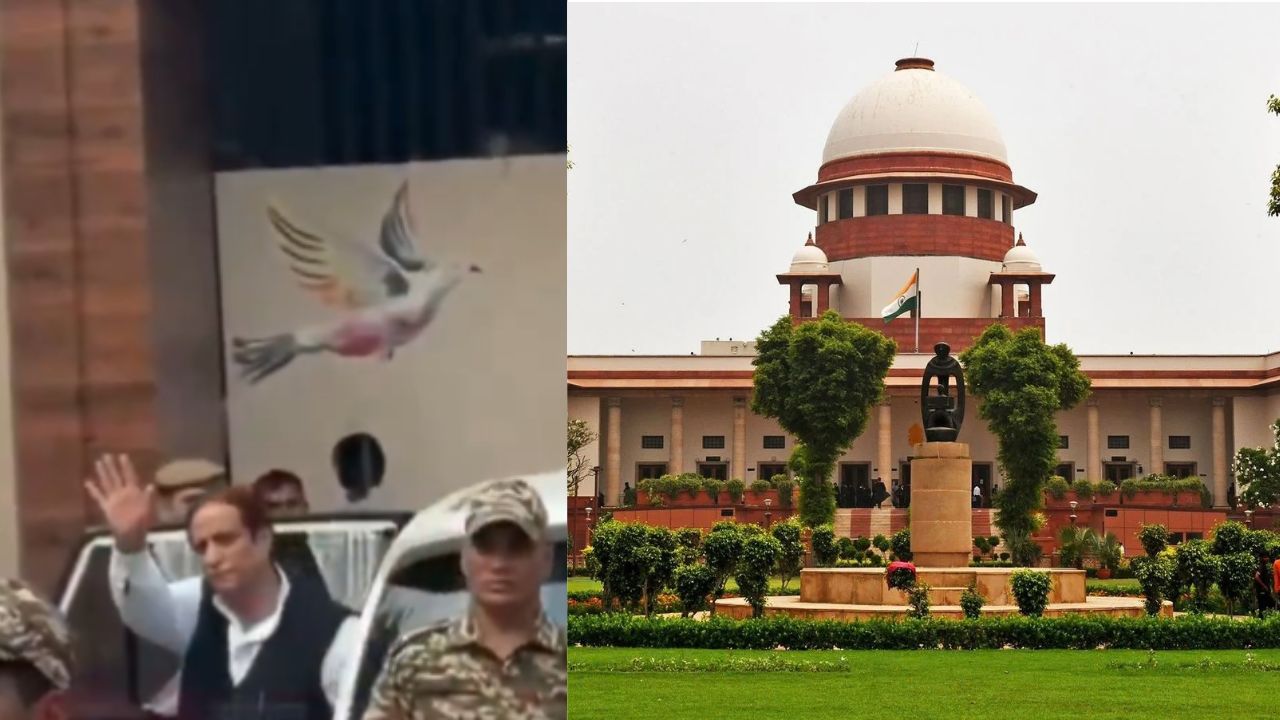
Supreme Court stresses that no group can occupy a designated protest site indefinitely as multiple petitions over Delhi demonstrations come up for hearing. (Img: X)
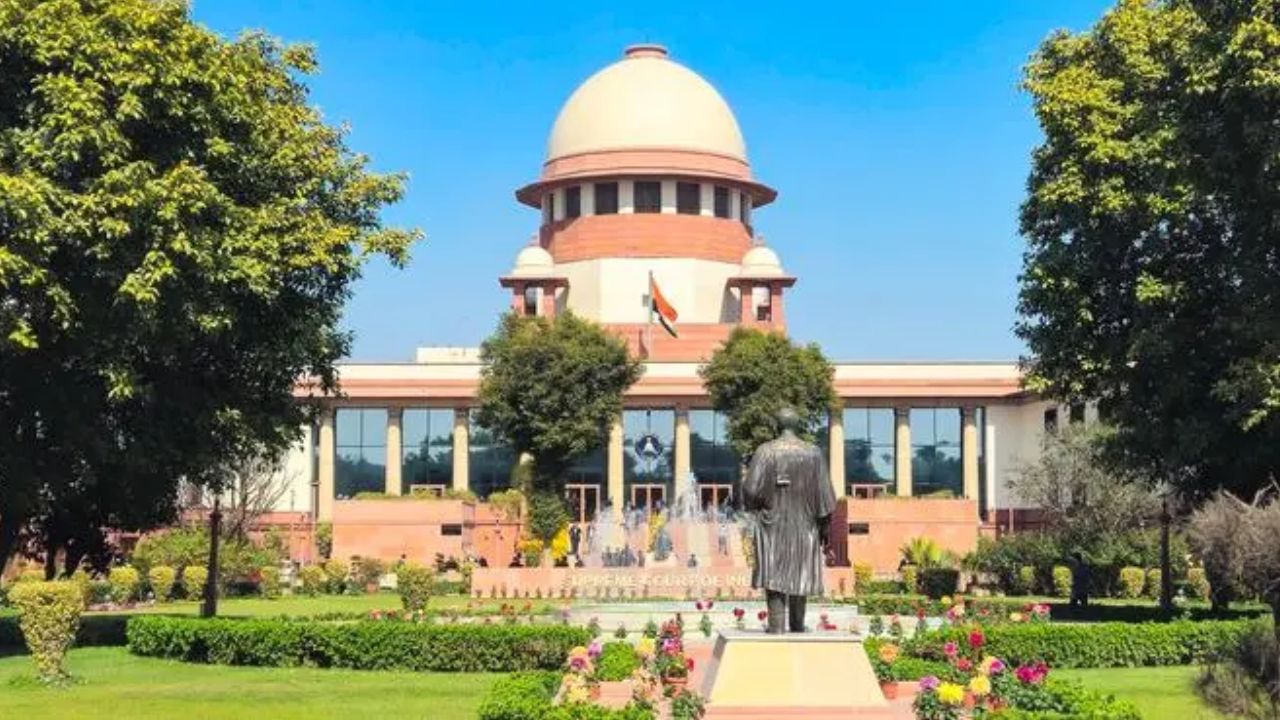
New Delhi: The Supreme Court on Tuesday said that no organisation or group can occupy a designated demonstration site indefinitely at the expense of other citizens seeking to exercise the same democratic right.
The three-judge Bench of Chief Justice of India (CJI) Surya Kant, Justice Joymalya Bagchi and Justice V Mohana passed the order on a batch of petitions challenging the SIR process of electoral rolls and seeking resignation of Chief Election Commissioner (CEC) Gyanesh Kumar.
Stressing the need for a fair and time-bound mechanism over the allocation of protest venues, the Apex Court observed that designated protest locations must remain accessible to different groups, including farmers, journalists, workers, trade unions and other sections of society. The bench stressed that permission to demonstrate should be granted for clearly defined periods rather than allowing any single organisation to monopolise a public protest venue.
The proceedings involved multiple petitions concerning the demonstrations against the Chief Election Commissioner, including complaints from traders over commercial losses, allegations of police excesses, unlawful detentions, internet disruptions and restrictions imposed during the protests.
The court underlined that while the right to peaceful protest is constitutionally protected, its exercise must be balanced against the fundamental rights of other citizens, particularly the right to carry on business and earn a livelihood.
During the hearing, CJI Surya Kant emphasised that the right to protest cannot become a means of preventing other individuals or organisations from expressing their grievances. The bench observed that designated demonstration venues must be allocated for specific durations so that different groups get an equal opportunity to organise peaceful protests.
The Solicitor General, Tushar Mehta, informed the court that permission for a protest in July had been granted for only one day, but the designated site at Jantar Mantar continued to remain occupied beyond the permitted duration.
The bench stressed that authorities granting permission for demonstrations must clearly specify the applicable conditions, including the duration and terms of occupation. It also observed that one group cannot claim exclusive access to a public protest venue merely because it has already been permitted to demonstrate there.
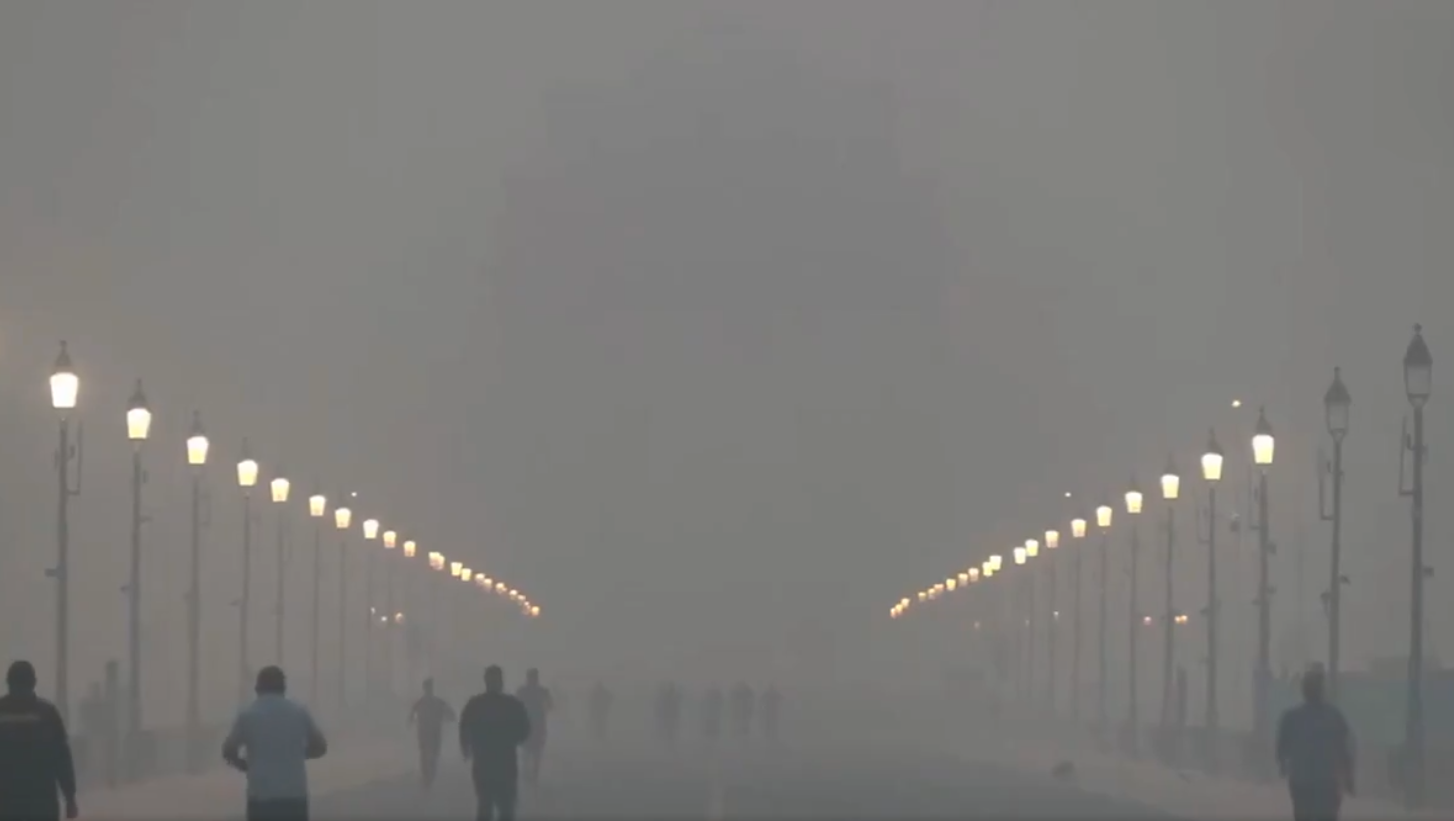
The court's observations came amid a wider debate over the regulation of public demonstrations in Delhi and the need to maintain a balance between democratic freedoms, public order and the interests of residents and businesses.
The petitions filed by traders' associations highlighted the economic impact of repeated demonstrations and political rallies in the national capital. Representing the traders, senior advocate Mukul Rohatgi submitted that commercial establishments had suffered substantial financial losses, potentially running into thousands of crores of rupees.
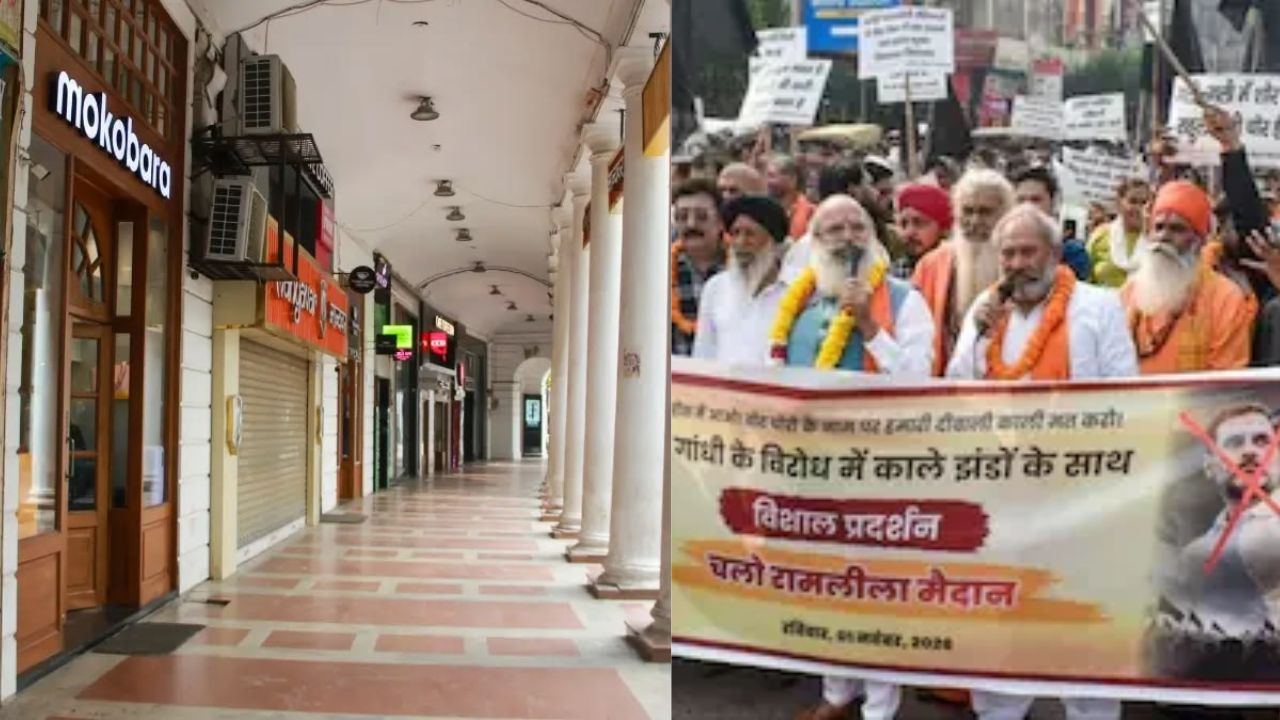
The traders claimed that approximately 50 lakh people live in the areas surrounding the protest locations and alleged that business activity had been severely disrupted. Commercial establishments in prominent business districts, including Connaught Place, reportedly witnessed a sharp decline in customer footfall, with several shops remaining closed.
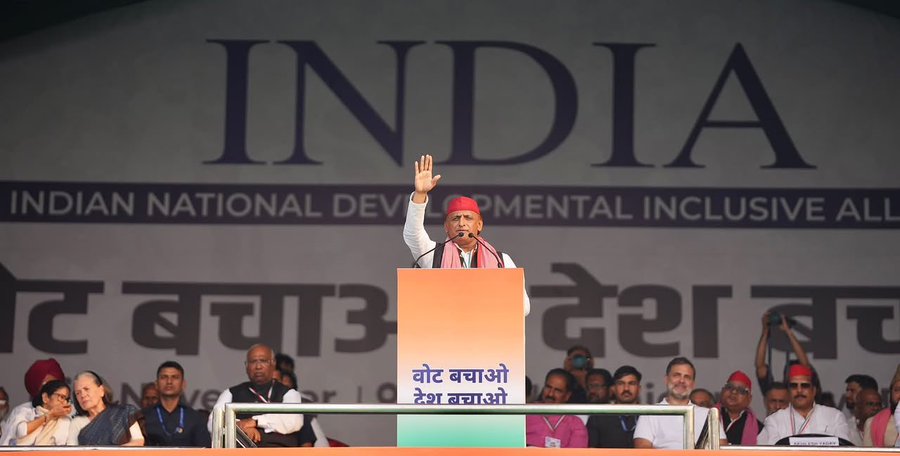
The Chamber of Trade and Industry (CTI) separately estimated that Delhi's business community suffered losses of approximately Rs 11,000 crore on November 1 due to the INDIA bloc's rally at Ramlila Maidan. According to the traders' organisation, the disruption affected retail and wholesale markets, transportation, hospitality and tourism, with approximately 2.5 lakh shops remaining shut.
The CTI further claimed that frequent political demonstrations and rallies had resulted in cumulative business losses of nearly Rs 14,000 crore across the national capital over the preceding month.
Seeking relief ahead of the festive season, the traders' body requested restrictions on demonstrations, rallies and sit-ins until November 11. Its counsel also sought a two-month restriction on protests, particularly during the peak festive trading period.
The Supreme Court issued notice to the Centre and other concerned authorities on a petition filed by the Kirana Committee Delhi seeking a halt to protests during the festive period. However, the bench directed the traders' associations to implead the organisers of the anti-CEC demonstrations as parties to the proceedings, observing that their participation was necessary for effective adjudication of the dispute.
The court also indicated that the traders' grievances could not be comprehensively examined without hearing the organisations responsible for organising the demonstrations.
The hearing comes weeks after the Centre denotified Jantar Mantar as a designated protest venue on October 12, following a standoff involving the Cockroach Janta Party (CJP).
Subsequently, Ramlila Maidan, Burari Ground and CBD Ground were identified as alternative locations for demonstrations in Delhi.
The change in the protest-site arrangement has become part of the larger dispute over the regulation of public demonstrations, access to designated venues and the impact of political gatherings on commercial and civic activities.
The Supreme Court's observations indicate the importance of establishing a structured allocation mechanism under which protest permissions, venue access and duration are clearly defined without permanently restricting the democratic rights of other groups.
Apart from the traders' petitions, the bench also examined several pleas raising concerns over the handling of the October demonstrations against CEC Gyanesh Kumar.
The petitions alleged excessive police force, unlawful detention of protesters, custodial assault, barricading and restrictions on movement during the demonstrations. Other complaints concerned the closure of Delhi Metro stations, internet disruptions and difficulties faced by people attempting to access public spaces.
Several lawyers' organisations also raised concerns regarding the alleged detention of advocates, restrictions on access to court premises and chambers, and interference with the functioning of legal professionals.
Petitions concerning alleged assaults on journalists, detention of protesters, seizure of electronic devices and police action were also placed before the bench. Certain pleas additionally raised issues relating to contempt proceedings over the alleged conduct of officials.
The court agreed to examine these issues through separate proceedings rather than clubbing every grievance into a single hearing.
The Supreme Court decided that the petition concerning alleged harassment and sexual violence against women journalists during the Delhi protests would be taken up separately on November 23, after Diwali.
Senior advocate Indira Jaising informed the bench that she had submitted the names of proposed members in a sealed cover for a special investigation team (SIT) headed by a woman judge. The proposed committee was intended to exclusively examine complaints concerning alleged sexual violence against women journalists during the demonstrations.
She also sought clarity on whether a separate SIT would be constituted to investigate allegations of molestation and harassment involving women journalists.
Another lawyer brought allegations of assault against women police personnel to the court's attention, adding another dimension to the proceedings concerning alleged misconduct during the protests.
The bench also issued notice on a petition challenging the legal framework governing the use of facial recognition technology (FRT) by law enforcement agencies. The plea raised questions about the legality of surveillance practices, the collection and storage of facial data, privacy safeguards and the security of information gathered through such systems.
The petition seeks judicial scrutiny of the regulatory framework governing facial recognition surveillance and the protection of citizens' personal data.
Separately, the court agreed to hear after Diwali a petition seeking a standard operating procedure (SOP) to regulate the participation of foreign nationals in protests in India. The plea, represented by senior advocate Mahesh Jethmalani, seeks clearer guidelines governing the involvement of foreign citizens in public demonstrations.
Considering the large number of petitions and the diverse legal issues involved, the Supreme Court decided to divide the connected matters into nine categories for structured hearings.
The bench asked the lawyers representing different petitioners to submit their proposed sequence of arguments along with estimated time requirements. The arrangement is intended to facilitate systematic consideration of issues involving traders' losses, police action, alleged illegal detentions, journalists' safety, surveillance and restrictions on civil liberties.
The court also indicated that fresh writ petitions would ordinarily not be entertained unless the concerned Advocate-on-Record (AOR) certified that the matter raised an entirely new and distinct issue not covered by the existing proceedings.
Several senior advocates appeared for the petitioners, including Indira Jaising, N. Hariharan, Menaka Guruswamy, Arundhati Katju, C. U. Singh and P. V. Dinesh. Senior advocate Mahesh Jethmalani represented a petitioner seeking guidelines for the participation of foreign nationals in demonstrations.
The proceedings bring together a broad range of constitutional and administrative questions concerning the right to peaceful assembly, freedom of expression, police accountability, privacy, public order and the protection of commercial activity.