 English
 English

MEA’s Passport Clarification Reopens Indian Citizenship Proof Debate. (Image Internet)
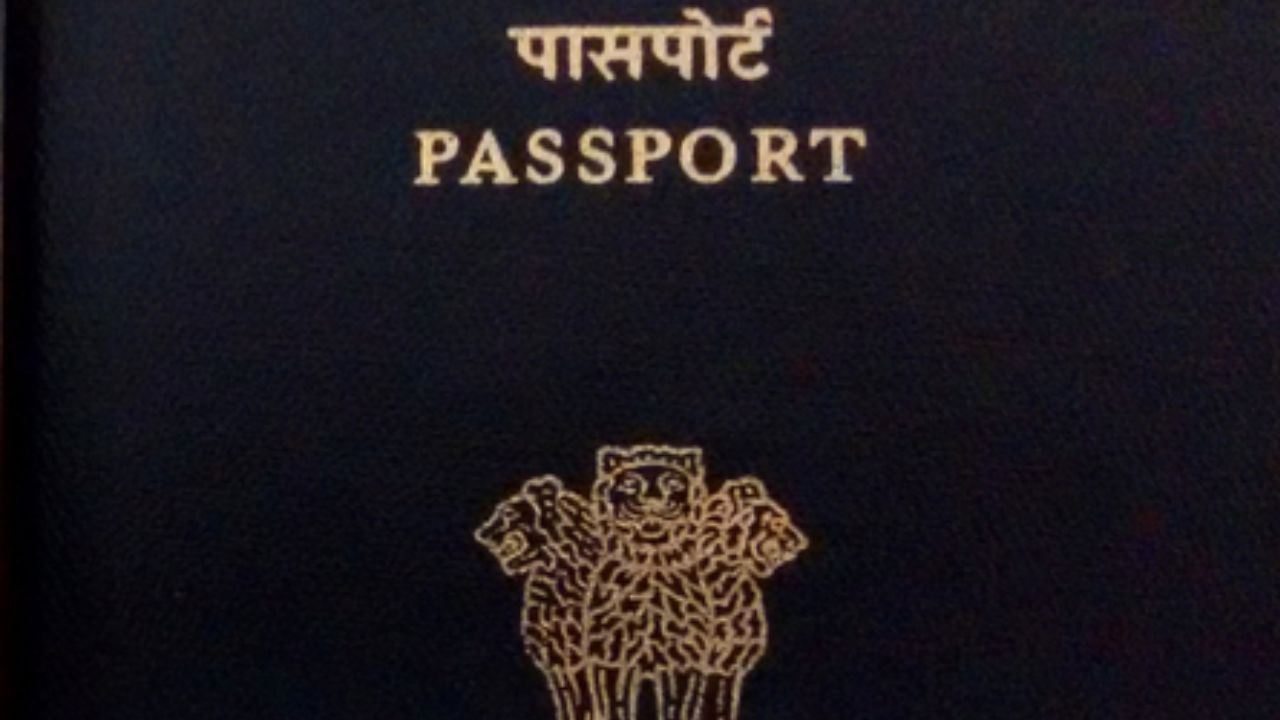
New Delhi: A fresh debate over proof of Indian citizenship has begun after the Ministry of External Affairs clarified that a passport is primarily a travel document, not conclusive proof of citizenship.
The clarification, made during the 14th Passport Seva Divas, triggered discussion on X, with many users asking what document can finally establish Indian nationality.
The MEA’s position is that an Indian passport is issued to enable international travel and to establish the holder’s identity before foreign authorities. Although passports are issued only to Indian citizens, officials maintain that possession of a passport alone cannot be treated as the final legal test of citizenship.
The debate gained attention because passports are commonly accepted as one of the strongest identity documents in India. However, the document remains the property of the Government of India and can be surrendered if required by authorities.
The uncertainty is not limited to passports. Aadhaar, courts and authorities have noted, is meant to establish identity and residence, not citizenship. Similarly, a voter ID card shows a person’s eligibility to vote but is not considered the ultimate proof of nationality.
This has led to a broader question: if common identity documents are not final proof, how is citizenship established?
Indian citizenship is governed by the Citizenship Act and constitutional provisions. A person born in India between January 26, 1950, and July 1, 1987, is generally considered a citizen by birth. For those born on or after July 1, 1987, at least one parent must have been an Indian citizen at birth.
For people born on or after December 3, 2004, citizenship is granted only if both parents are Indian citizens, or one parent is Indian and the other is not an illegal migrant.
Legally, India does not have one universal document that conclusively proves citizenship in every case. Citizenship is usually established through birth records, parental documents, citizenship certificates where applicable and other evidence.
The MEA also highlighted faster passport services, chip-enabled e-passports and expansion of Passport Seva centres.