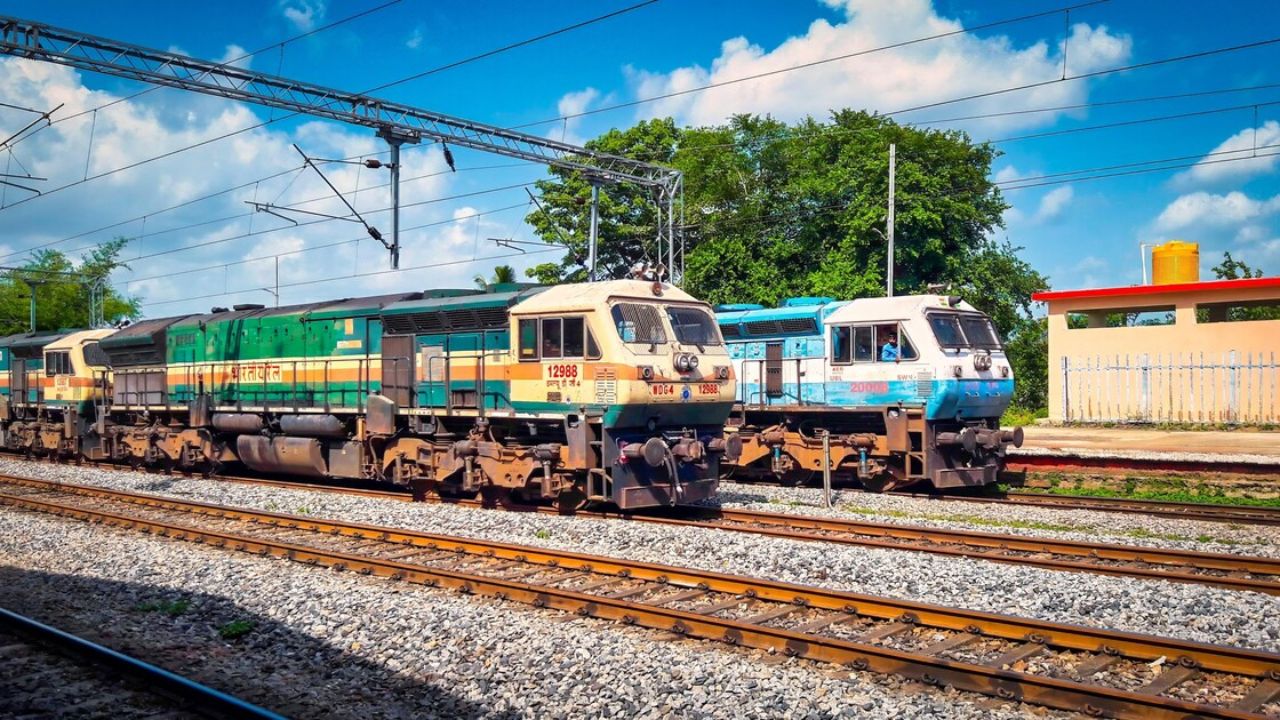
Centre Clears Major Rail Multi-Tracking Plan Worth ₹18,509 Crore
New Delhi: The Central Government has approved three important multi-tracking projects to strengthen rail connectivity in the country. The Cabinet Committee on Economic Affairs, chaired by Prime Minister Narendra Modi, approved these projects, costing approximately ₹18,509 crore. These projects will expand the railway network by approximately 389 kilometers in 12 districts of Delhi, Haryana, Maharashtra, and Karnataka.
The approved projects include the construction of third and fourth lines on the Kasara-Manmad, Delhi-Ambala, and Ballari-Hosapete sections. These will increase train capacity, reduce congestion, and make operations more reliable. The government believes this initiative will also promote regional development and self-reliance.
Approximately 26.5 million man-days of direct employment are expected to be generated during construction. Additionally, approximately 3,902 villages and approximately 9.7 million people will benefit from improved rail connectivity. This is expected to boost local trade, mobility, and new employment opportunities.
These projects will facilitate access to several major tourist destinations. Travelers will be able to access destinations such as Bhavali Dam, Trimbakeshwar Jyotirlinga, Mata Vaishno Devi Katra, Hampi, Ballari Fort, Daroji Sloth Bear Sanctuary, and Tungabhadra Dam. This is also expected to boost the tourism industry.
Increased capacity will facilitate the transportation of essential commodities such as coal, steel, cement, food grains, and fertilizers, enabling the transportation of approximately 96 million tons of additional freight annually. This expansion of Indian Railways will reduce logistics costs, reduce oil imports by approximately 220 million liters, and reduce carbon emissions by approximately 1.11 billion kilograms, an impact equivalent to planting millions of trees.
The government has set a target to complete these projects by 2030-31. This initiative, which promotes multi-modal connectivity and sustainable transportation, is considered crucial for both the country's economic growth and green development.

