English
 English

E85 fuel launch won’t make E20 vehicles obsolete
New Delhi: With the launch of E85 fuel in India, concerns have emerged among vehicle owners about the future of existing petrol and E20-compatible vehicles.
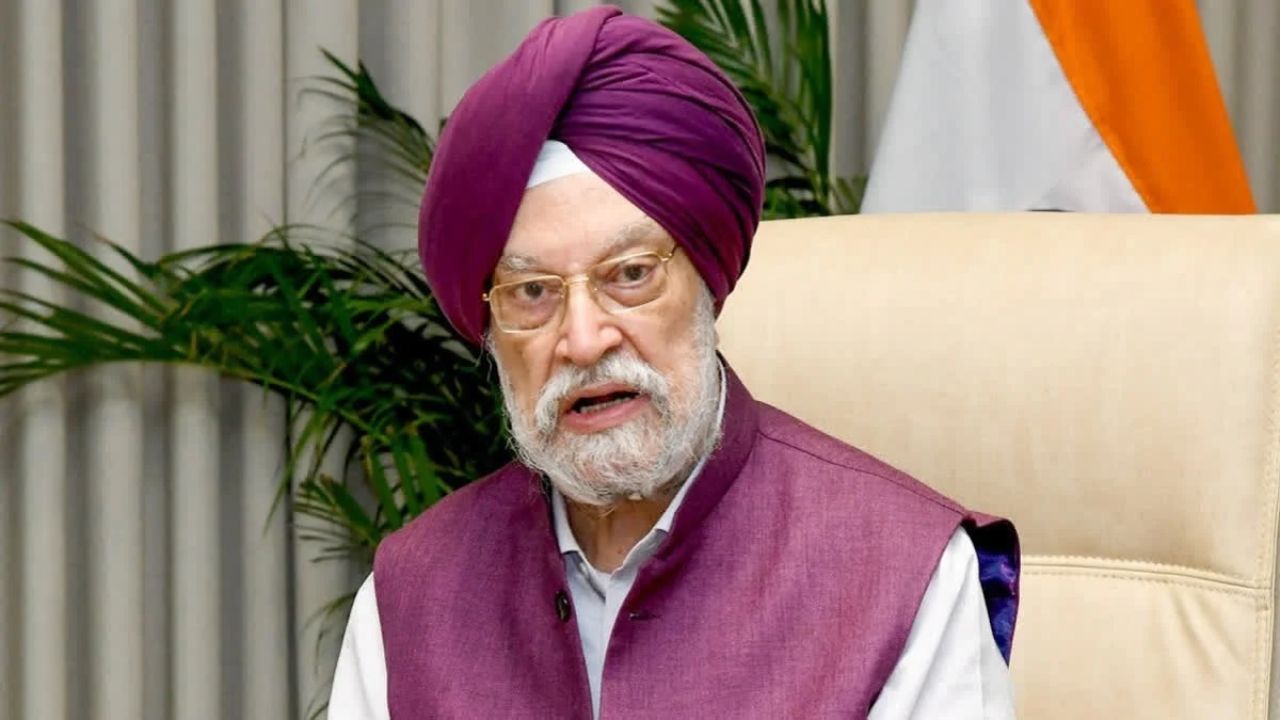
Addressing these worries, Union Petroleum Minister Hardeep Singh Puri has assured consumers that the introduction of E85 fuel will not affect the usability of vehicles running on conventional petrol or E20 blends.
In a video shared on social media platform X, Puri responded to a common question from vehicle owners: “I bought an E20-compatible vehicle just this April. Will it become useless now?”
The minister clarified that E20 and E85 are separate fuel categories designed for different engine technologies. “The arrival of E85 does not mean that E20 vehicles or standard petrol vehicles will be phased out,” he said.
E85 Meant Only for Flex-Fuel Vehicles
Puri explained that E85 fuel, which contains up to 85% ethanol, is specifically intended for flex-fuel vehicles. These vehicles are engineered to run on varying ethanol-petrol blends, unlike standard E20-compatible vehicles.
“E85 fuel can only be used in flex-fuel engines. Owners of E20 vehicles need not worry, as their vehicles will continue to operate normally,” he said.
Brazil’s Successful E85 Experience
Highlighting the global adoption of ethanol-based fuels, the minister noted that Brazil has been using E85 and other high-ethanol blends for decades. Flex-fuel vehicles in Brazil can operate on fuel blends ranging from E20 to E100, demonstrating the technology’s long-term viability.
Boost for Farmers and Energy Security
According to Puri, expanding ethanol-based fuels will create additional demand for agricultural produce used in ethanol production, thereby increasing farmers’ income. The initiative is also expected to reduce India’s dependence on imported crude oil and strengthen the country’s energy security.
Towards a Cleaner, Self-Reliant Future
The minister described the launch of E85 fuel as another step in India’s transition toward cleaner energy and greater self-reliance. He said the move aligns with the government’s broader goals of promoting sustainable mobility, supporting rural incomes, and reducing fossil fuel imports.