English
 English

Justice Ujjal Bhuyan’s remarks put police conduct under the microscope
New Delhi: A student protest in the heart of Delhi has now turned into a national debate over policing, accountability and citizens’ rights. Supreme Court Justice Ujjal Bhuyan has raised concerns over the alleged police action during the Jantar Mantar demonstration, saying incidents involving excessive force can damage the public’s faith in law enforcement.
The remarks have gained attention because they come from a sitting Supreme Court judge at a time when questions around protest rights, freedom of expression and the role of police in a democracy are being widely discussed.
Justice Bhuyan made these observations during the launch of former security secretary Yashovardhan Azad’s book 'Policing the Republic' in the national capital. The event focused on the challenges faced by police forces, the importance of professional conduct and the need to maintain public confidence in institutions.
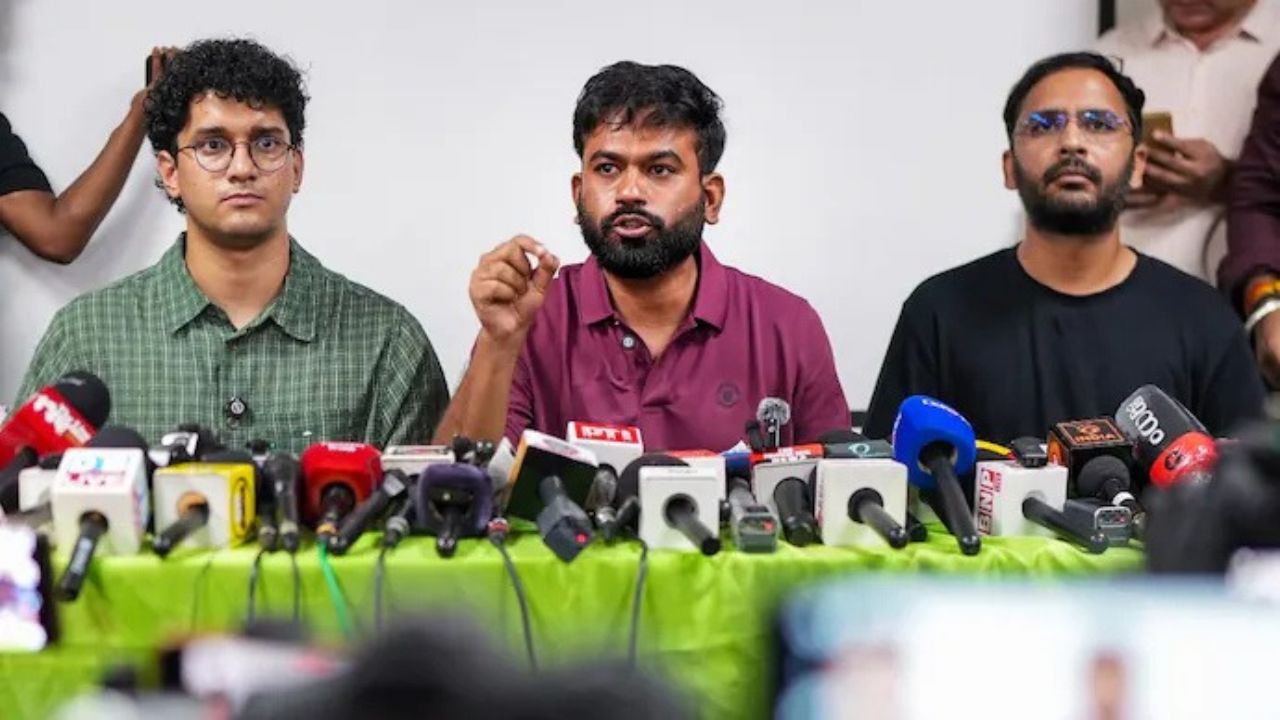
The controversy traces back to the July 20 protest at Jantar Mantar, where students and activists gathered during the NEET-related agitation. The protesters were demanding accountability over concerns linked to the examination system and seeking action from authorities.
What happened during the demonstration soon became a matter of public discussion. Allegations emerged that protesters faced excessive force during the police response, including claims of physical action and the use of crowd-control measures. The incident attracted political attention, public criticism and demands for a closer examination of the actions taken by security personnel.
For many ordinary citizens, the police are the first institution they approach when they need protection or justice. Justice Bhuyan highlighted that this relationship depends heavily on trust. A police officer in uniform represents the authority of the state. When people believe that authority is being used unfairly, it can create fear and reduce confidence in the system, he noted.
The Supreme Court judge emphasised that effective policing is not only about controlling situations but also about respecting constitutional values, maintaining neutrality and protecting citizens’ rights.
The allegations surrounding the Jantar Mantar protest are now being examined through a high-level inquiry process. A committee headed by former Supreme Court judge Justice R Subhash Reddy has been tasked with looking into complaints related to the incident. The panel will examine available evidence, including CCTV footage and videos from the protest site.
The inquiry will look into allegations involving the use of lathis, tear gas, pellet guns and electronic batons. Complaints related to alleged harassment and inappropriate behaviour towards women protesters will also be reviewed. The findings of the panel could become significant in shaping future guidelines for handling public demonstrations.
Beyond the Jantar Mantar incident, Justice Bhuyan’s remarks have reopened the broader debate on police reforms in India. The Apex Court judge also expressed concern over custodial torture and deaths, calling them serious issues that challenge the credibility of the justice system.
Experts have repeatedly argued that police forces require better training, greater accountability mechanisms and institutional independence to ensure that law enforcement remains people-centric.
The larger challenge before any democracy is finding the right balance — ensuring public safety while protecting the right of citizens to peacefully express disagreement.
The latest remarks came shortly after Justice Bhuyan spoke about the importance of allowing students to question, debate and express different opinions. While addressing students at the convocation ceremony of National Law University Delhi, he stressed that disagreement should not become a reason for punishment.