English
 English

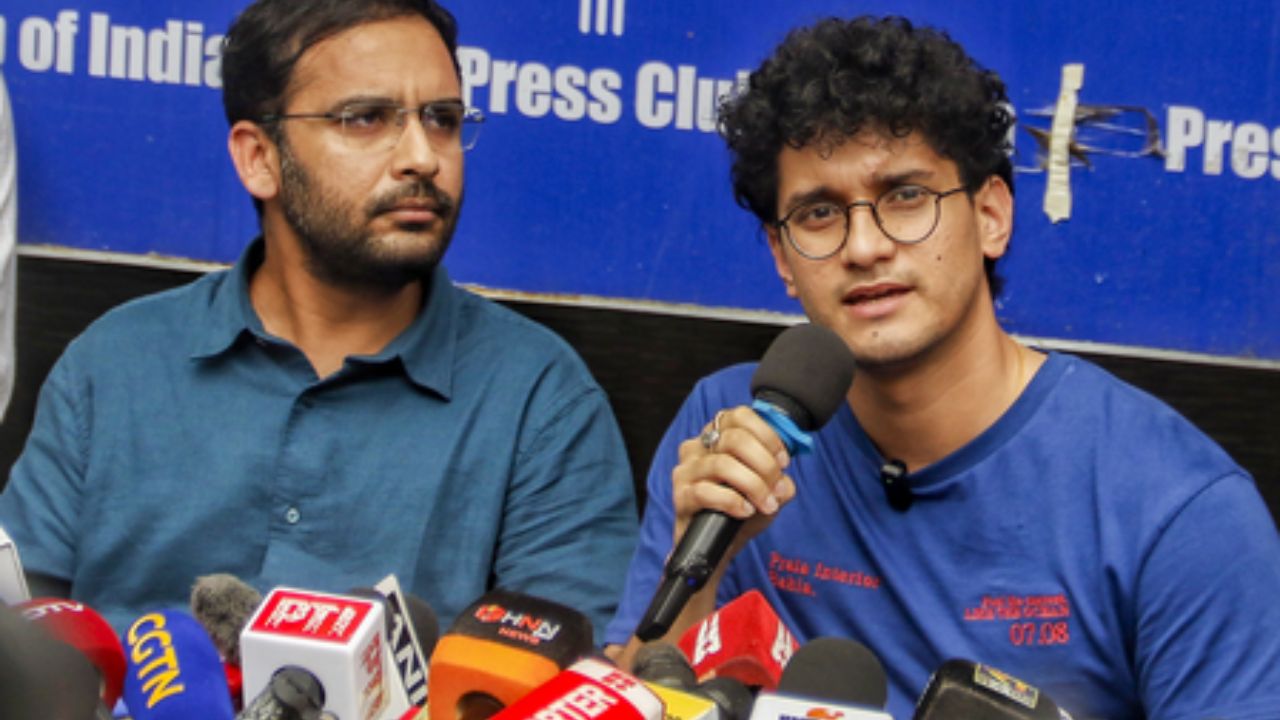
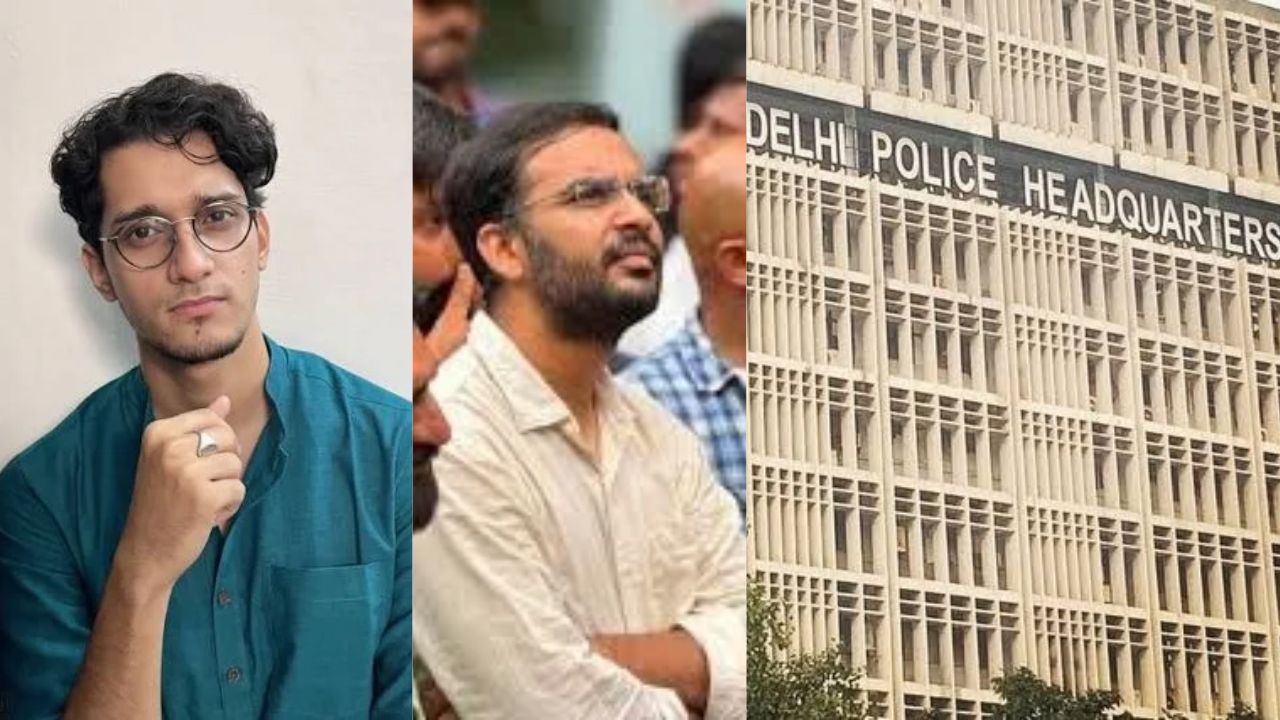
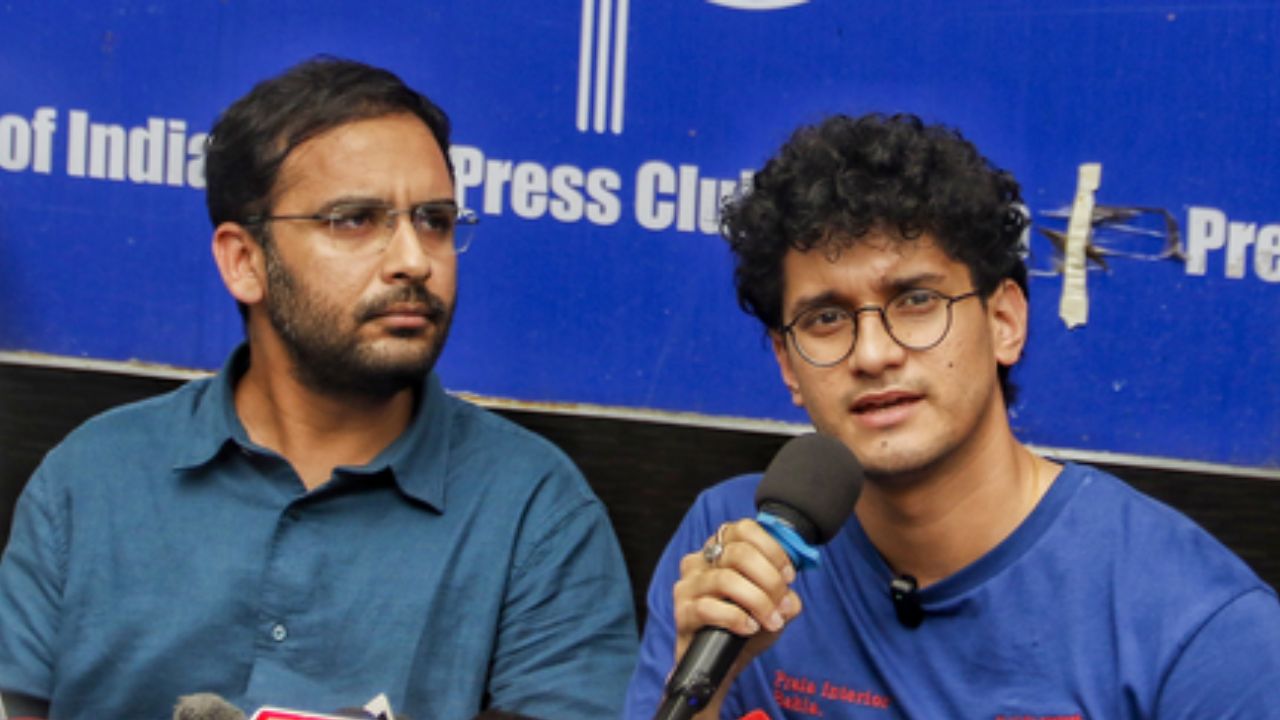
Cockroach Janta Party (CJP) leaders Abhijeet Dipke, Saurav Das and Ashutosh Ranka (Img: X)
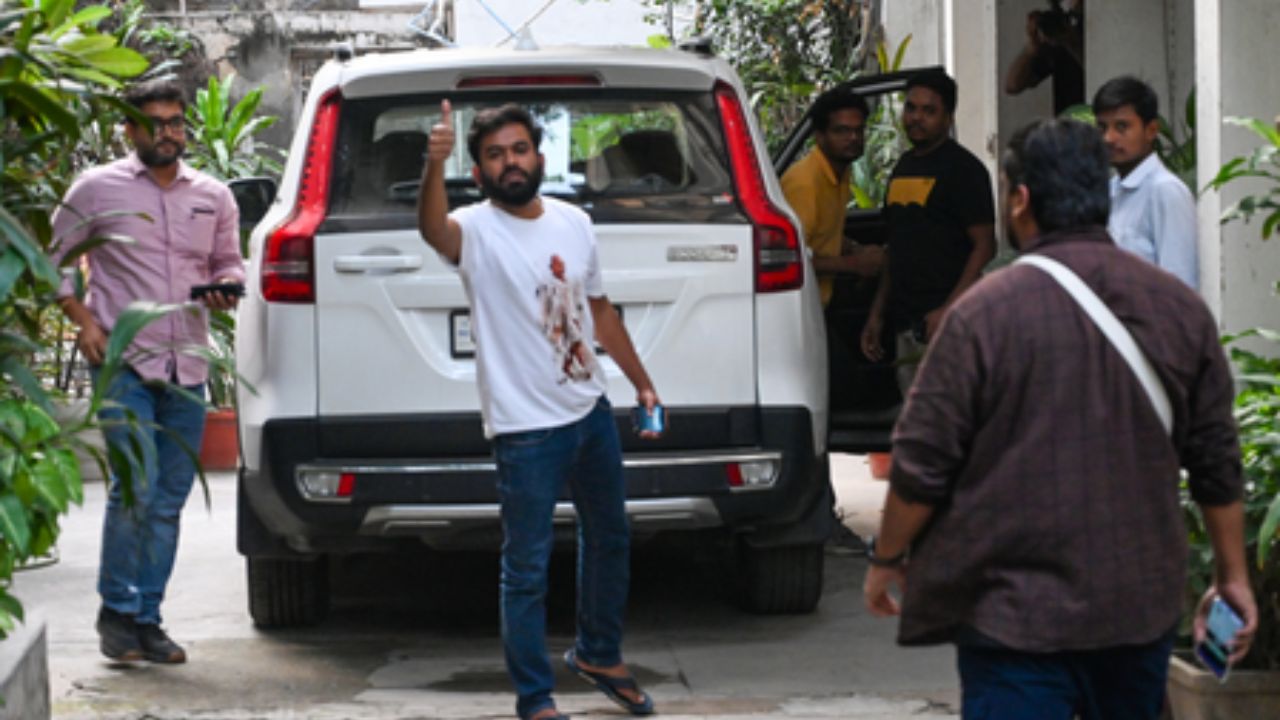
New Delhi: The Cockroach Janta Party (CJP) has welcomed the release of co-convenors Saurav Das and Ashutosh Ranka from Tihar Jail, with founder Abhijeet Dipke acknowledging their leadership role in the movement and describing them as more capable decision-makers than himself. The two leaders were released on October 21, 2026, following the expiry of their judicial custody in connection with the protest at Jantar Mantar and an alleged violation of a peace bond.
The release marked a significant development in the political controversy surrounding the CJP’s demonstrations against Chief Election Commissioner Gyanesh Kumar over the Special Intensive Revision (SIR) of electoral rolls. Dipke, meanwhile, sought to dispel speculation about divisions within the organisation, maintaining that his relationship with Das and Ranka extended beyond political collaboration.
## CJP Founder Credits Das and Ranka With Driving the Movement
In a video message shared on X ahead of the leaders’ release, Dipke acknowledged that Das and Ranka had played a pivotal role in shaping and advancing the CJP’s political activities. He explained that although he was publicly perceived as the organisation’s principal leader, the two co-convenors had frequently guided decisions and determined the movement’s course of action.
Dipke described himself as someone who followed their instructions and recognised their superior decision-making abilities. He also credited them with helping carry forward the movement, including the party’s July agitation that culminated in the resignation of BJP leader Dharmendra Pradhan as Union Education Minister.
The CJP subsequently launched its School Thik Karo campaign, under which members targeted government schools in BJP-governed states to raise questions about educational infrastructure and public schooling. More recently, the organisation intensified its protests demanding Gyanesh Kumar’s resignation over the electoral roll revision exercise.
Dipke’s remarks came in a 16-minute video message released on Tuesday, October 20, in which he also announced that the CJP did not intend to organise protests until Diwali. He urged supporters, who refer to themselves as cockroaches, to take a break from political activity and spend time with their families.
## Dipke Rejects Allegations of Shifting Blame to Save Himself
Hours after the initial video surfaced, Dipke released another message responding to social media users who accused him of distancing himself from the decisions that led to Das and Ranka’s imprisonment.
Rejecting the allegations, the CJP founder said he had no insecurity about acknowledging that his colleagues possessed stronger leadership and decision-making capabilities. He maintained that recognising their abilities did not amount to transferring responsibility or attempting to protect himself from criticism.
Dipke also emphasised that the party operated through collective discussions rather than the unilateral authority of a single individual. He described Das and Ranka as his brothers and family members, adding that the bond between them could not be weakened by online criticism.
He further revealed that the three shared a private WhatsApp group where they exchanged memes and informal messages. Despite the two leaders being in custody, he continued to open the group, saying their presence remained an important source of emotional support. Dipke added that the families of the detained leaders had also helped him cope with their imprisonment.
## Why Were Saurav Das and Ashutosh Ranka Arrested?
The case stems from the CJP’s protests demanding the resignation of Chief Election Commissioner Gyanesh Kumar over alleged irregularities in the Special Intensive Revision of electoral rolls. The controversy has also drawn attention to the Election Commission’s decision-making process and the wider debate surrounding electoral transparency.
On October 11, Delhi Police withdrew Jantar Mantar’s designation as an authorised protest site. The decision has been challenged separately before the Supreme Court and the Delhi High Court.
On October 13, Das and Ranka reportedly arrived at Jantar Mantar carrying the national flag and allegedly climbed over a locked gate to enter the premises. They were subsequently taken into custody in connection with the incident and the alleged violation of a peace bond they had signed on October 10.
The two leaders were part of a group of CJP members who allegedly crossed police barricades and entered the denotified protest venue, raising slogans demanding Gyanesh Kumar’s resignation.
A Special Executive Magistrate initially ordered five days of judicial custody, citing concerns about a possible breach of peace. On October 19, the magistrate rejected the sureties submitted on behalf of the two leaders, citing concerns about the sureties’ ability to ensure compliance and discrepancies in identity documents. Their custody was consequently extended by another two days.
On October 21, the magistrate reserved the order on their continued detention after hearing the arguments. Delhi Police had sought a five-day extension, citing a potential threat to public order, while the defence maintained that there was no imminent threat and no fresh call for a protest.
The leaders subsequently gave an undertaking to maintain peace, and the court ordered their release following the expiry of their judicial custody. They were also directed to appear again on October 23 and submit sureties, according to the reported court proceedings.
CJP legal head Ratna Singh welcomed the decision, arguing that the release should have been ordered earlier. She said the police had sought further custody on grounds of a possible threat, but the defence had disputed the existence of any imminent danger.
## Dipke Compares CJP Leaders’ Conduct With Gandhi’s Satyagraha
Dipke also rejected comparisons between the CJP protests and violent unrest reported in France, where demonstrations over the condition of schools had been supported by trade unions and involved school students.
While protests in French cities, including Paris, Marseille and Limoges, had reportedly witnessed incidents of violence and arson, Dipke argued that Das and Ranka had pursued a different course despite being sent to jail.
He portrayed their conduct as an example of peaceful resistance, saying they had entered prison without anger or hatred and had maintained their commitment to non-violence. He compared their approach with Mahatma Gandhi’s philosophy of satyagraha, presenting their actions as an attempt to pursue political demands through peaceful means.
The comparison came amid growing political debate over the police action against the CJP leaders and the restrictions surrounding demonstrations at Jantar Mantar.
## Political Reactions and the Wider SIR Controversy
The detention of Das and Ranka had triggered reactions from several political leaders. Samajwadi Party president Akhilesh Yadav sought their release, while Trinamool Congress chief Mamata Banerjee criticised the action in strong terms. Former Odisha chief minister Naveen Patnaik also demanded their immediate release.
Delhi Police transferred a second case involving the two leaders to its Crime Branch, while their legal challenge to the judicial custody order brought the matter before the Delhi High Court. The court proceedings and subsequent release added another dimension to the dispute over protest restrictions, public order and the treatment of political demonstrators.
The controversy surrounding Chief Election Commissioner Gyanesh Kumar has also intensified following a report by The Indian Express that election commissioners had raised objections to decisions taken by the CEC on 14 occasions over a period of 10 months. The Election Commission, however, maintained that its decisions had been unanimous.
The dispute has placed the SIR exercise, electoral transparency and the limits of political protest under renewed scrutiny. For the CJP, the release of its two co-convenors represents a crucial moment for the organisation as it reassesses its strategy and future course of action.
Dipke’s public defence of Das and Ranka also signals an effort to present the organisation as a cohesive political movement despite the legal controversy. By emphasising collective leadership, personal loyalty and non-violent resistance, the CJP founder has sought to counter allegations of internal divisions while keeping the focus on the issues that prompted the protests.