English
 English

Rahul Gandhi shares a Lord Shiva image with the phrase Satyam Shivam Sundaram ahead of the Supreme Court’s SIR hearing. (Img: X)
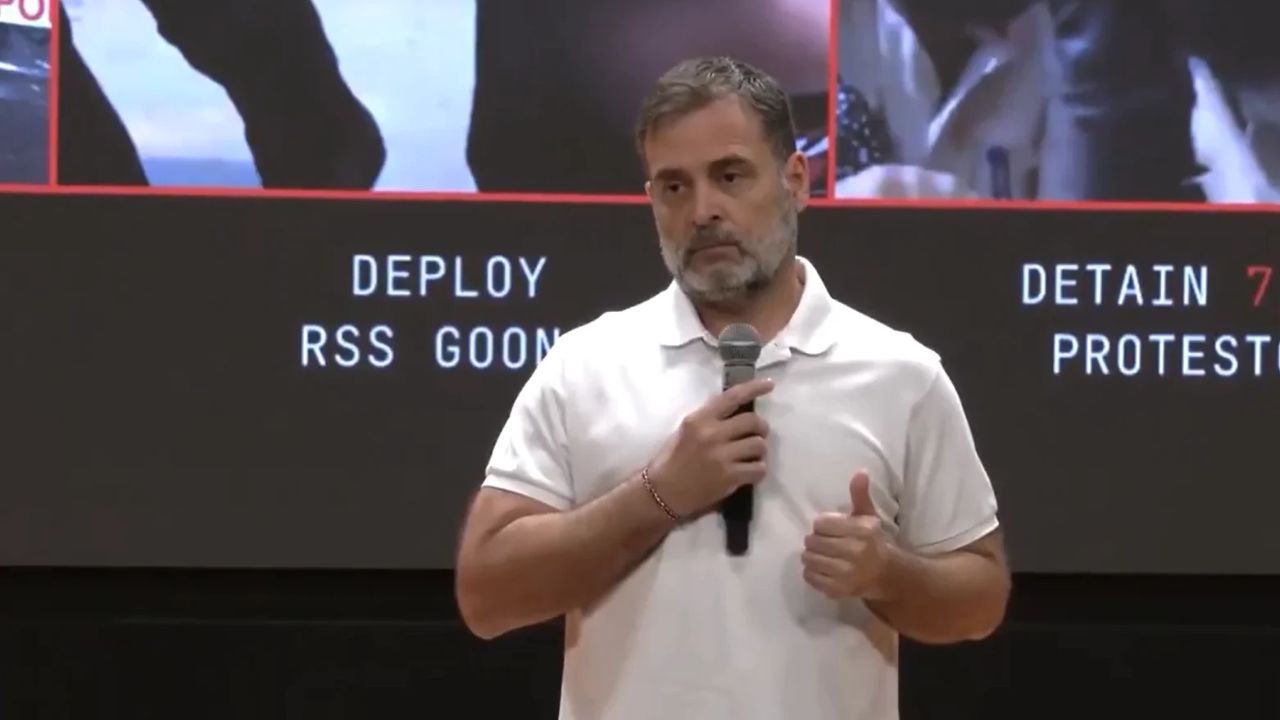
New Delhi: Congress leader Rahul Gandhi’s cryptic social media post invoking Lord Shiva has drawn attention ahead of a crucial Supreme Court hearing on the Election Commission of India’s Special Intensive Revision (SIR) of electoral rolls. The Leader of Opposition in the Lok Sabha shared a religious image accompanied by the Sanskrit phrase Satyam Shivam Sundaram as the legal battle over the poll panel’s decision-making powers intensifies.
Rahul Gandhi on Tuesday, October 27, shared an image featuring three horizontal white markings and a vertical red streak associated with Lord Shiva, alongside the Sanskrit expression Satyam Shivam Sundaram, which broadly conveys the idea of truth, divinity and beauty.
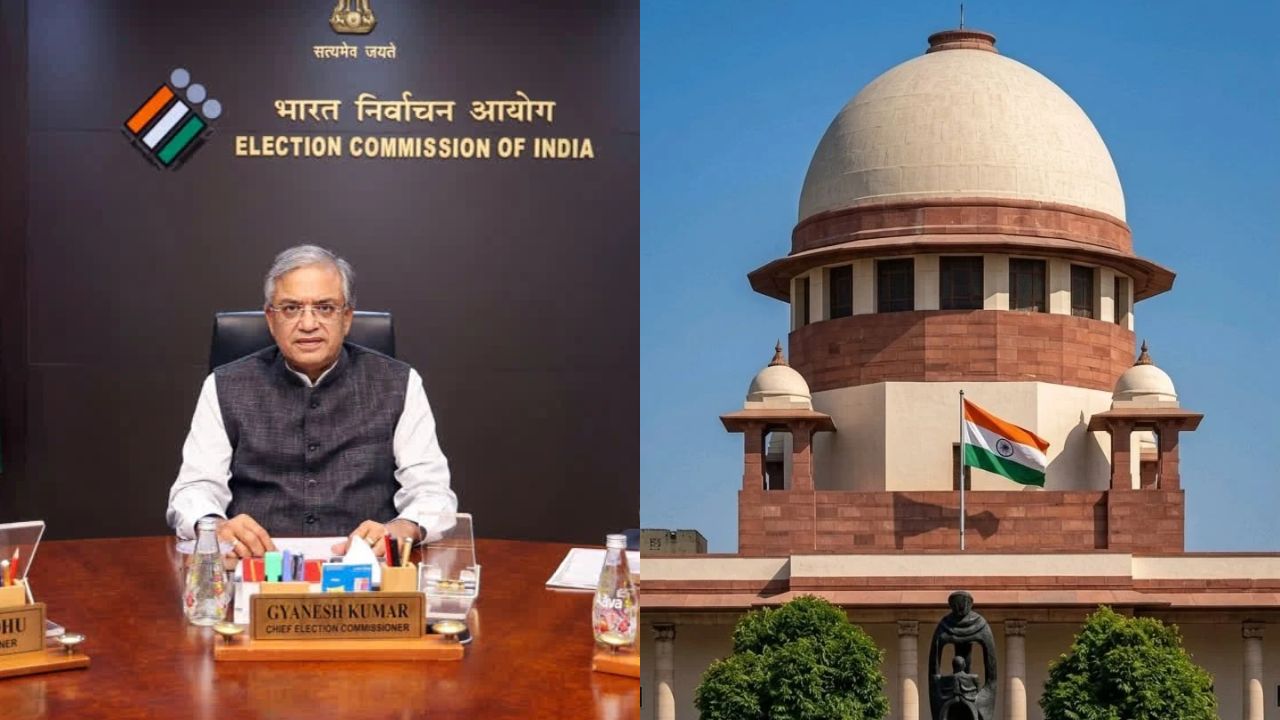
The post came at a politically significant moment, with the Supreme Court scheduled to hear petitions challenging Chief Election Commissioner Gyanesh Kumar and decisions taken by the Election Commission during the SIR exercise. Gandhi’s post did not explicitly refer to the pending case, but its timing placed it in the spotlight amid the Congress leader’s continuing criticism of the poll body.
The dispute over the revision of electoral rolls has become a major political and legal flashpoint, with opposition parties raising concerns about transparency, voter inclusion and the exercise of powers within the Election Commission. The commission, however, has rejected allegations of unilateral decision-making and defended the legality of its actions.
Ahead of the hearing, the Election Commission defended its decision-making process before the Supreme Court, maintaining that all three orders concerning the SIR exercise had been approved unanimously by its three members, including CEC Gyanesh Kumar and Election Commissioners Sukhbir Singh Sandhu and Vivek Joshi.
The commission also maintained that the law governing voter registration and the prescribed Form 6 had not been amended. This response addresses allegations that decisions concerning the revision were taken without the knowledge or approval of the other election commissioners and that changes affecting voter enrolment were introduced without following the required process.
The controversy gained momentum following a September 25 report by The Indian Express, which said Sandhu and Joshi had recorded objections on at least 14 occasions over the preceding 10 months to decisions and orders related to the SIR exercise. According to the report, the objections concerned decisions that the two commissioners believed had been issued without their knowledge or recommendation.
The Election Commission has disputed the allegation that the CEC acted unilaterally. It has also maintained that its counter-affidavit in the Supreme Court was approved unanimously by all three members. The competing claims have placed the commission’s internal decision-making procedures under judicial scrutiny.
Rahul Gandhi, Congress president Mallikarjun Kharge and other INDIA bloc leaders have approached the Supreme Court challenging what they describe as arbitrary and unilateral decisions in the implementation of the SIR of electoral rolls.
The petitions raise questions about the exercise of the Election Commission’s collective powers and whether decisions relating to the revision were taken with the knowledge and approval of all its members. They also flag concerns about voter-enrolment procedures, the functioning of electoral databases and the possibility of eligible voters being removed from electoral rolls without adequate notice or an effective mechanism to restore their names.
The petitioners have sought scrutiny of relevant commission records and raised concerns about deletions and modifications to electoral rolls. Their challenge also seeks judicial intervention in the ongoing revision process, including demands for safeguards to protect eligible voters.
At the heart of the dispute is the balance between the Election Commission’s authority to revise electoral rolls and the need to ensure transparency, procedural fairness and the protection of voting rights. The Supreme Court’s consideration of the petitions could have implications for the conduct of the SIR exercise and the safeguards applicable to electoral roll revision.
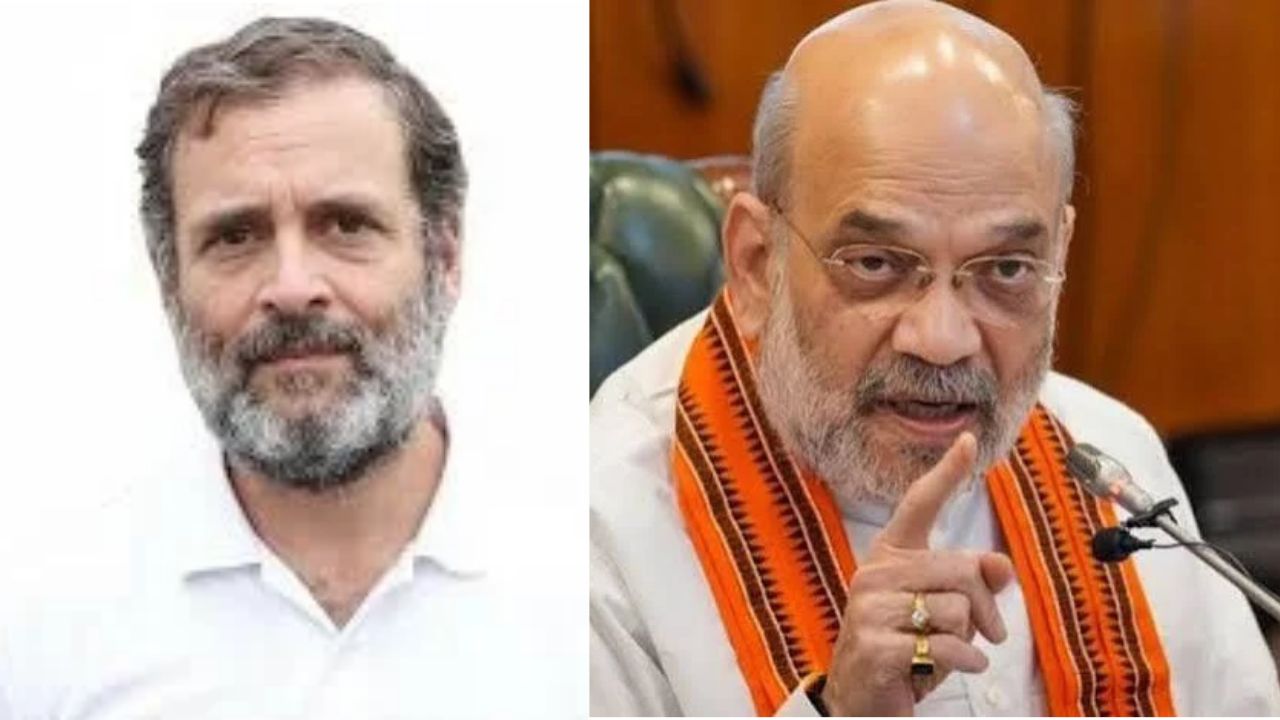
The latest post follows an intensifying confrontation between Gandhi and the Election Commission over allegations of irregularities in the electoral process. The Congress leader and other opposition figures have repeatedly questioned the poll panel’s functioning, while the commission has contested their claims.
सत्यम् शिवम् सुन्दरम् https://t.co/pIfskmfzAt
— Rahul Gandhi (@RahulGandhi) October 27, 2026
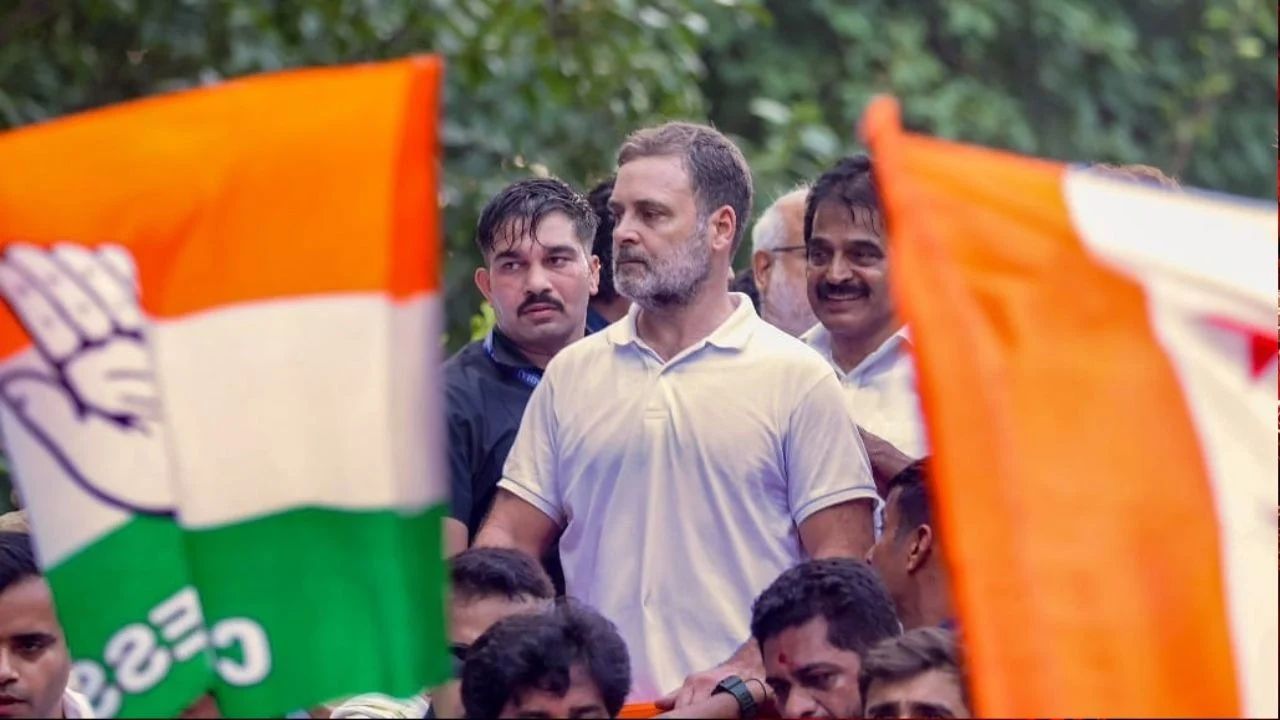
On October 11, Gandhi announced a proposed march towards the Supreme Court, calling on opposition parties, civil society organisations and citizens to join the campaign against alleged vote theft. He said the demonstrators intended to submit a memorandum to the Chief Justice of India, seeking a halt to the SIR exercise and the resignation of CEC Gyanesh Kumar.
Gandhi also used the term Tandav, associated with Lord Shiva’s cosmic dance, while describing the opposition’s agitation. The invocation of religious imagery has therefore featured in his political messaging surrounding the campaign against the poll panel and the electoral roll revision.
The proposed protest and the continuing legal challenge have added to the political pressure surrounding the SIR process, which has become a contentious issue between the opposition and the Election Commission.
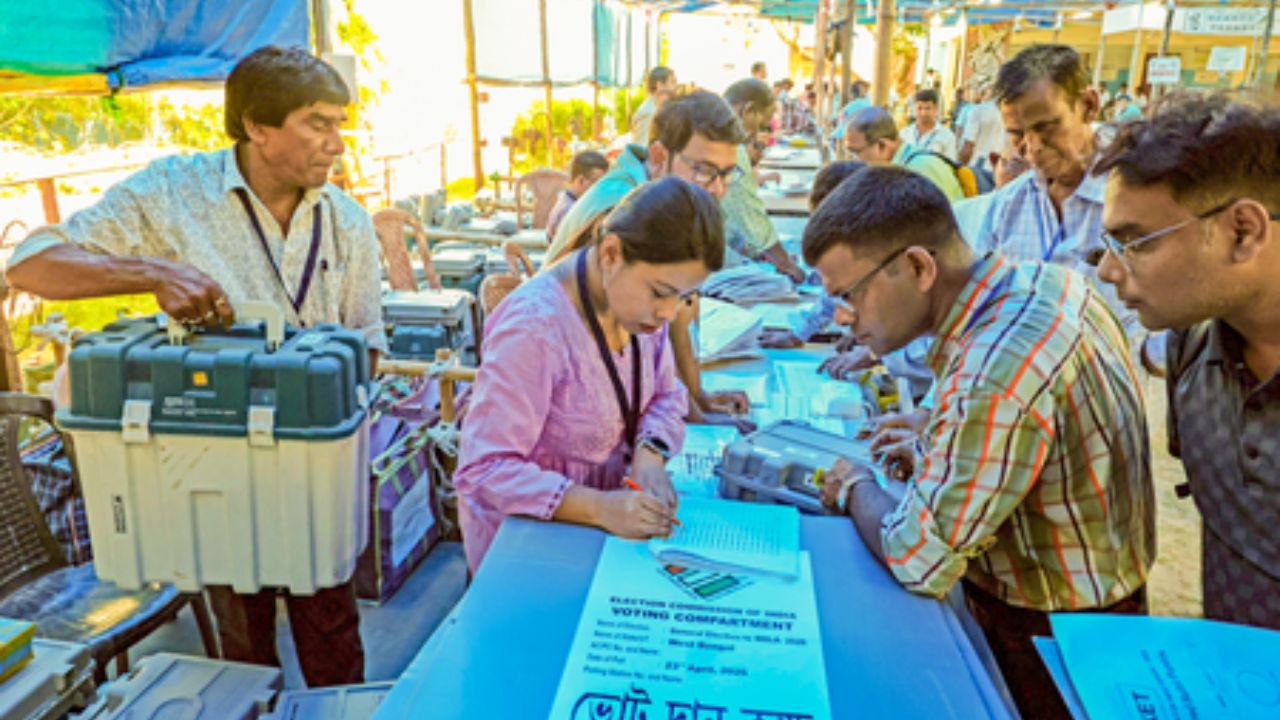
The Special Intensive Revision is intended to scrutinise and update electoral rolls, but the process has generated a broader debate over voter verification, the deletion of names and the safeguards available to citizens who may find themselves missing from voter lists.
For the petitioners, the central questions concern the legality and transparency of the commission’s decisions, the role of its individual members and the protection of eligible voters. For the Election Commission, the key defence is that the orders were adopted unanimously and that the prescribed legal framework and Form 6 remain unchanged.
The Supreme Court hearing is expected to examine the legal issues raised by the petitions and the commission’s response. The outcome could influence the next stage of the litigation and clarify aspects of the decision-making process governing the electoral roll revision.
With Gandhi’s latest social media post arriving just ahead of the proceedings, the SIR dispute continues to occupy the intersection of constitutional law, electoral administration and national politics.