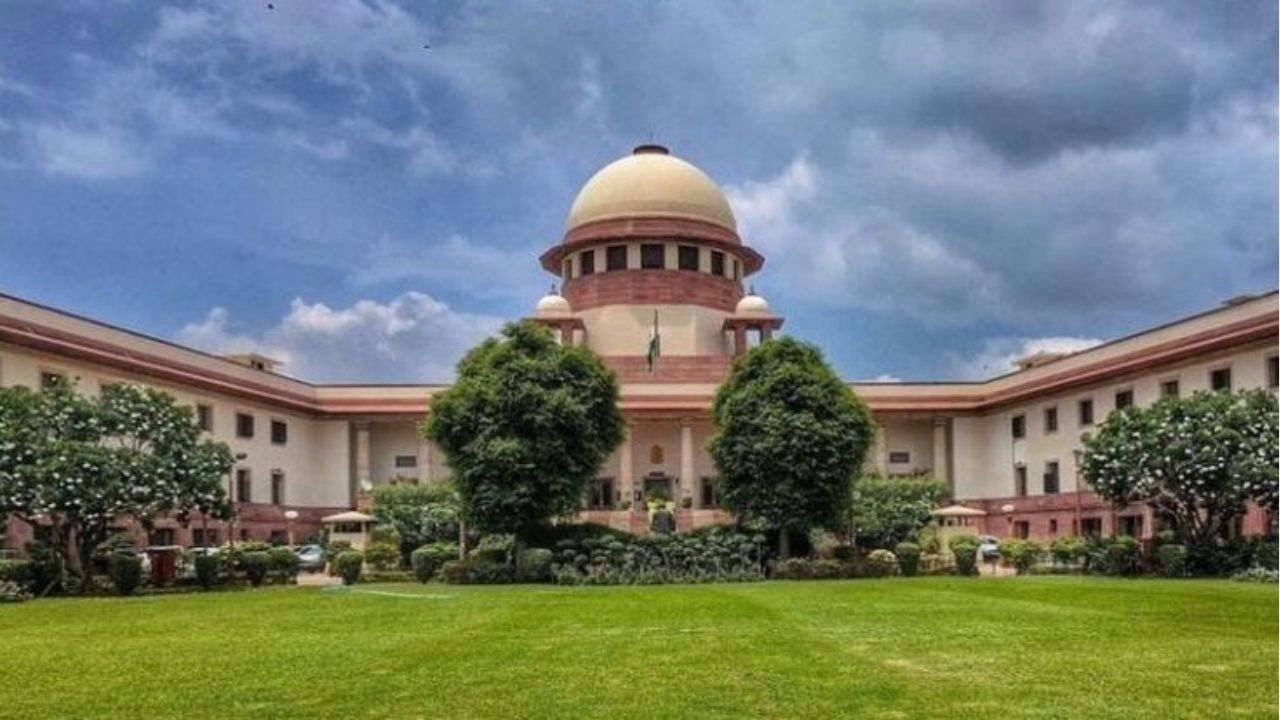
Supreme Court allows for a rejoinder to be filed in response to ECI's counter affidavit filed in the plea by Rakesh Singh. (Img: Pinterest)
New Delhi: The Supreme Court on Tuesday deferred hearing on a batch of petitions challenging the decision-making process of the Election Commission of India (ECI) during the Special Intensive Revision (SIR) of electoral rolls.
The Bench of Chief Justice of India (CJI) Surya Kant, Justice Joymalya Bagchi and Justice V Mohana allowed petitioner Rakesh Kumar Singh to submit a rejoinder to the Election Commission’s counter-affidavit and listed the matter for hearing on November 17. Other than Singh, other parties also sought additional time to complete their pleadings and place their responses before the Apex Court.
The petitioners challenged the manner in which the Election Commission exercised its powers while implementing the Special Intensive Revision of electoral rolls in different states.
They alleged that Chief Election Commissioner (CEC) Gyanesh Kumar took key decisions relating to the nationwide voter-list revision exercise without the concurrence of the other two Election Commissioners. The ECI later denied the charge.
The pleas questioned whether decisions taken by the poll panel, a constitutionally established multi-member body, could be issued by the CEC without the concurrence or approval of the other two Election Commissioners.
The legal challenge gained prominence amid reports that Election Commissioners Sukhbir Singh Sandhu and Vivek Joshi recorded objections to at least 14 decisions and orders concerning the SIR process between October 2025 and August 2026. According to the petitioners, the objections raised questions about whether certain measures were undertaken without the knowledge, recommendation or approval of the other members of the commission.
The Election Commission has rejected allegations of unilateral decision-making. In its counter-affidavit filed before the Supreme Court on Monday, the commission maintained that the relevant decisions were taken unanimously by all three members.
One of the petitions filed by Rakesh Kumar Singh sought a declaration that decisions of the Election Commission, as a multi-member constitutional body, could not be taken unilaterally by the CEC.
The petition further sought scrutiny of the commission’s primary records to establish whether the disputed decisions complied with the constitutional and statutory framework governing the poll panel. As an interim relief, Singh sought the suspension of Gyanesh Kumar from the post of Chief Election Commissioner.
A separate petition filed by advocate Shailendra Mani Tripathi seeks the quashing of 14 decisions alleged to have been taken unilaterally during the SIR process.
The petitioner has also sought the constitution of an independent Judicial Inquiry Commission or Special Investigation Team headed by a retired Supreme Court judge, with assistance from cybersecurity and information technology experts. The proposed inquiry is intended to examine the circumstances surrounding the disputed decisions and assess the relevant records and digital processes.
The allegations have brought the Election Commission’s internal decision-making procedures under scrutiny, particularly the question of how decisions are recorded, approved and implemented within a multi-member institution.
The Election Commission, however, has maintained that the relevant orders were unanimously approved, setting up a key point of contention for judicial examination.
Congress leader Rahul Gandhi and other INDIA bloc leaders have also filed a joint petition raising similar concerns over the Election Commission’s exercise of powers during the SIR of electoral rolls. Their challenge forms part of the wider legal dispute over the poll panel’s procedures and the safeguards governing the revision of voter lists.
Opposition leaders have questioned the transparency of the exercise and raised concerns about decisions affecting electoral rolls. The Election Commission has defended its actions, maintaining that the process and the relevant orders conform to the applicable legal framework.
The case has broader implications for electoral administration, institutional accountability and the protection of eligible voters. The SIR exercise is intended to revise and update electoral rolls, but the proceedings have brought questions about decision-making authority, procedural safeguards and the treatment of disputed entries into sharper focus.
With the hearing adjourned to November 17, the immediate focus will be on the additional pleadings and responses filed by the parties. The rejoinder in the Rakesh Kumar Singh matter will allow the petitioner to address the Election Commission’s defence, while the broader batch of petitions raises questions about the authority and functioning of the commission during the SIR exercise.
The Supreme Court has not, through this adjournment, ruled on the merits of the allegations against the CEC or the legality of the disputed decisions. Those issues remain for consideration during the judicial proceedings.
The next hearing will be closely watched by political parties, election observers and legal experts, as the outcome could clarify aspects of the Election Commission’s decision-making powers and the procedural standards applicable to electoral roll revision. Until the court examines the competing submissions, the claims made by the petitioners and the commission’s rebuttal remain part of an ongoing legal dispute.

