 English
 English

IEA Announces Record 400 Million Barrel Release to Stabilize Oil Markets
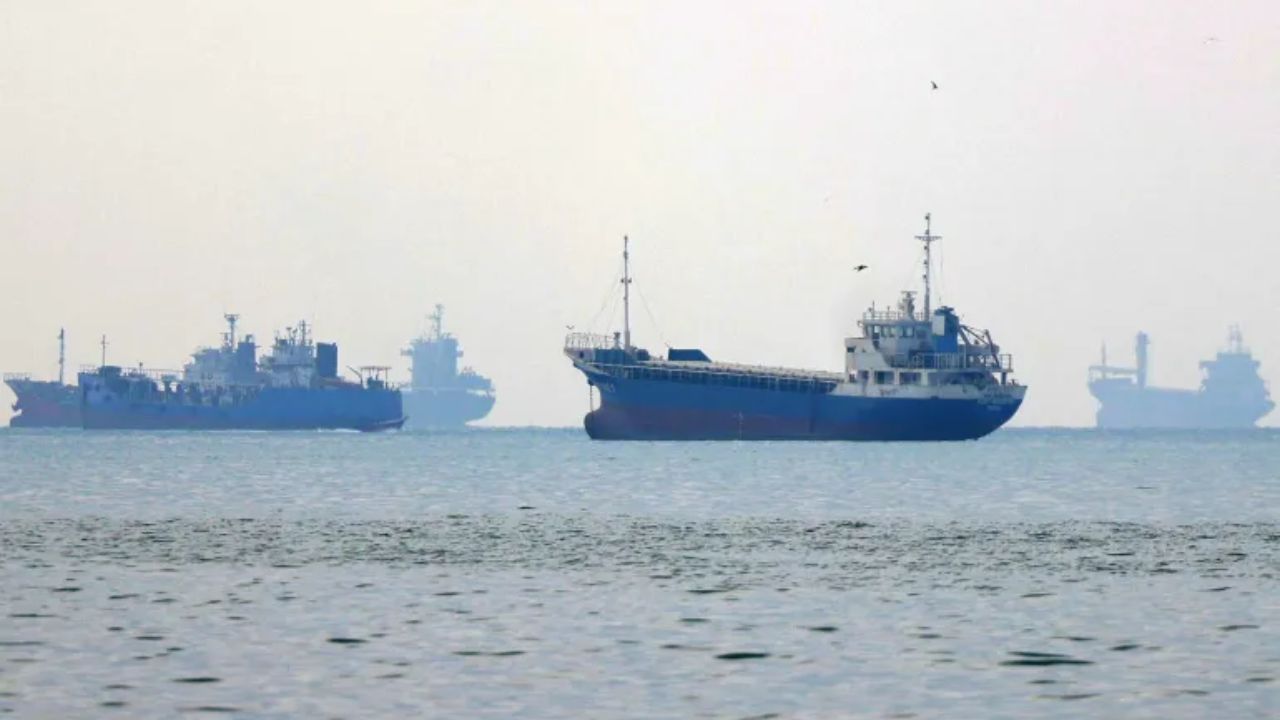
New Delhi: The ongoing tensions between Iran, the United States, and Israel have now entered their third week, clearly revealing signs of a global energy and economic crisis. The effective closure of the Strait of Hormuz, the world's most important oil route, has increased volatility in international markets and caused a sharp surge in crude oil prices.
The International Energy Agency (IEA) has expressed deep concern over the current situation. Agency chief Fatih Birol stated that the crisis is becoming a hybrid of previous major oil crises. He warned that if a solution is not found soon, it will impact every country in the world. He also stressed the need for collective action globally.
To stabilize energy supplies, IEA member countries have decided to release 400 million barrels of oil from their emergency reserves. This is believed to be the largest stock release in the agency's history. This move aims to control prices and mitigate a potential crisis by increasing supply in the market.
The closure of the Strait of Hormuz has directly impacted global oil supplies. This route is the main route for the supply of approximately 20 million barrels of oil and petroleum products daily. Due to this disruption, crude oil prices have surged above $100 per barrel, while commodities like diesel, jet fuel, and LPG are also experiencing significant increases.
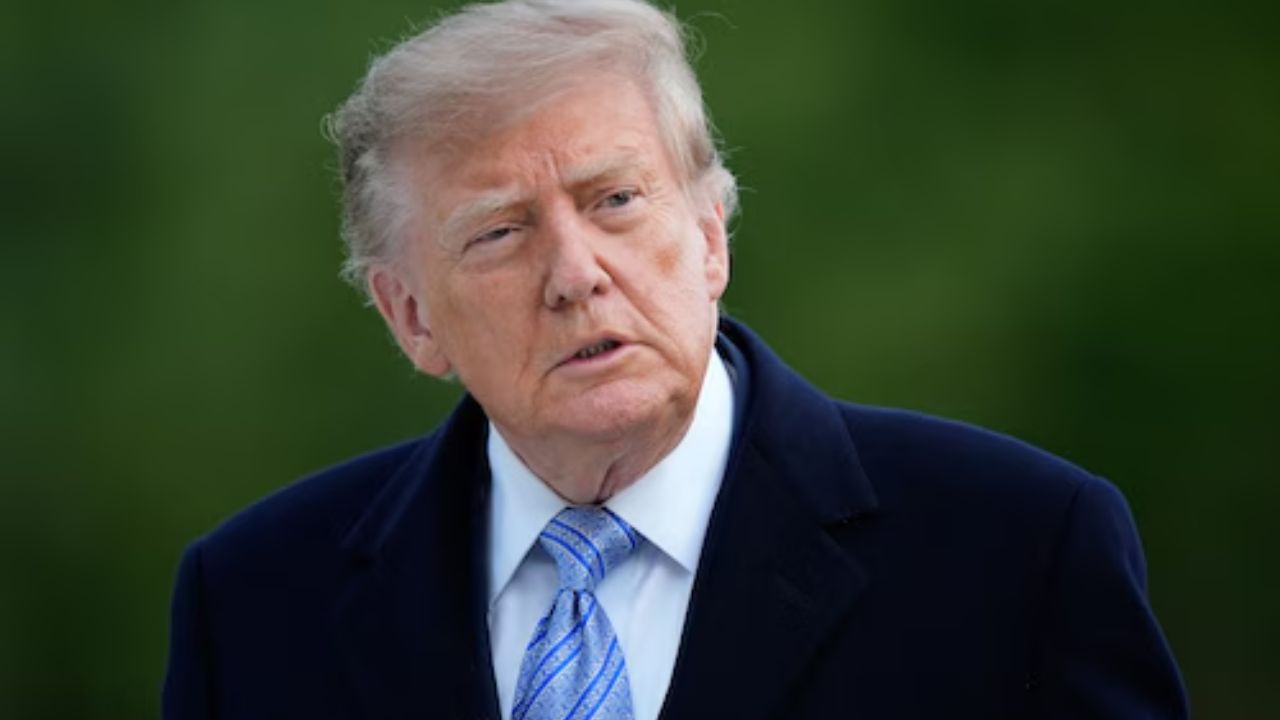
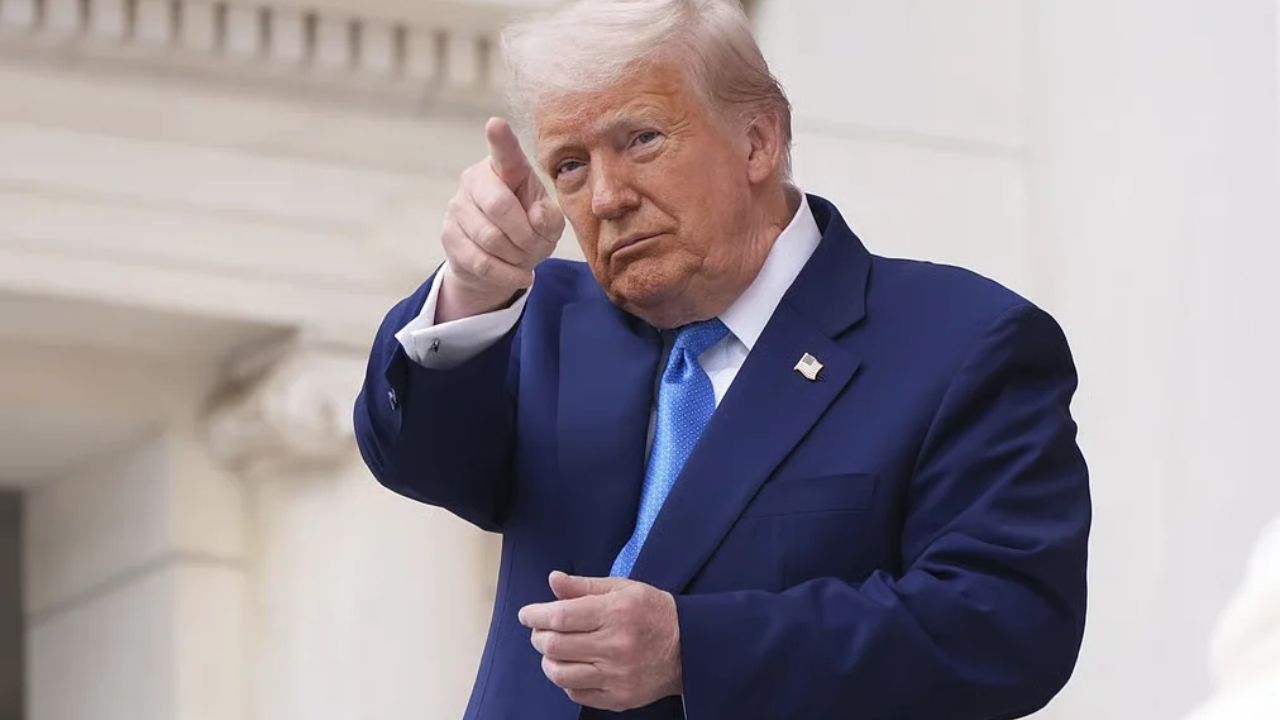
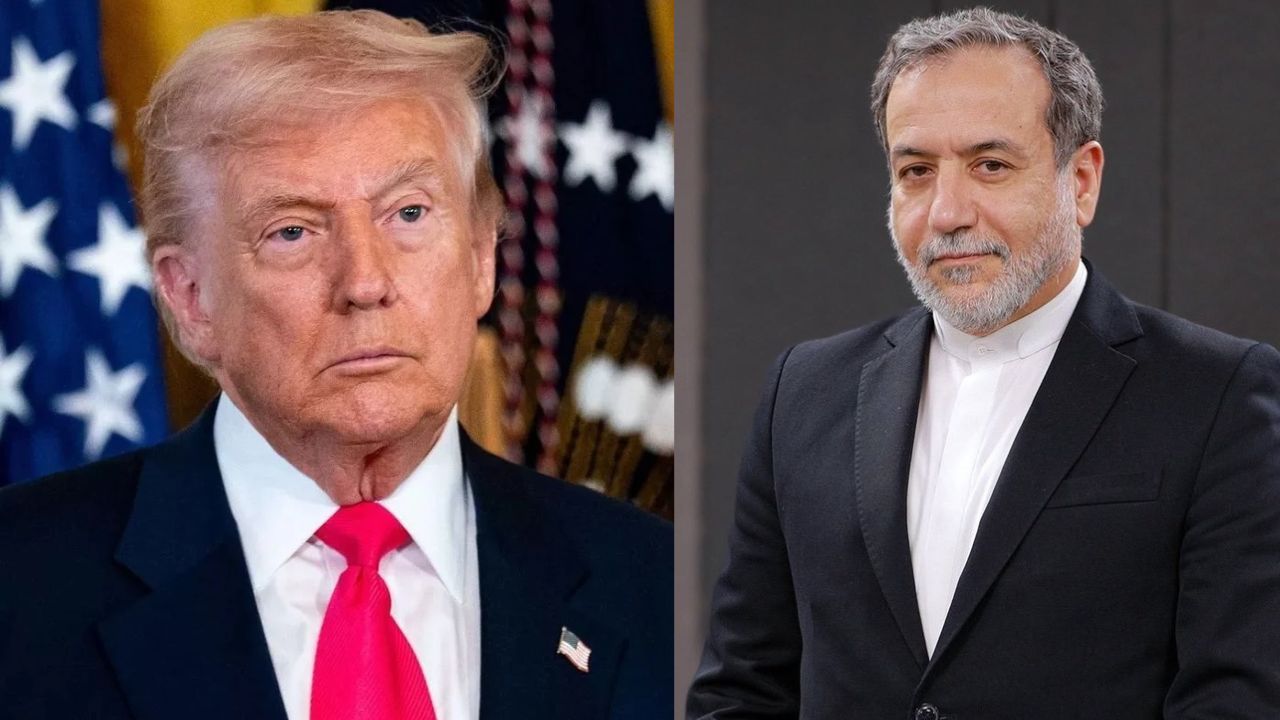
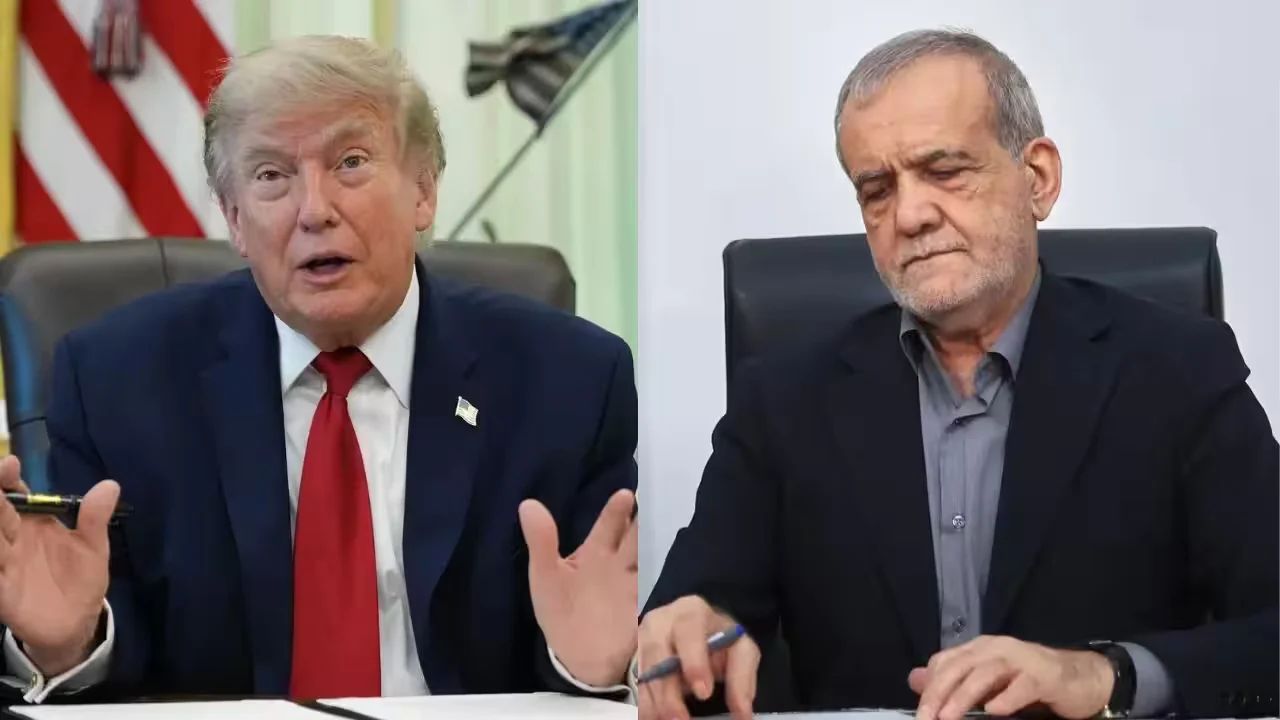
US President Donald Trump issued a stern warning to Iran, saying that if the strait is not reopened within 48 hours, the US could take military action. In response, Iran's Revolutionary Guards also took a tough stance, saying that in the event of an attack, it could permanently close the route and target US bases.
This entire development could have a greater impact on countries like India, which are dependent on oil imports. According to experts, if the situation worsens further, global inflation could rise and economic growth could slow. The world is watching the direction this crisis will take in the coming days.