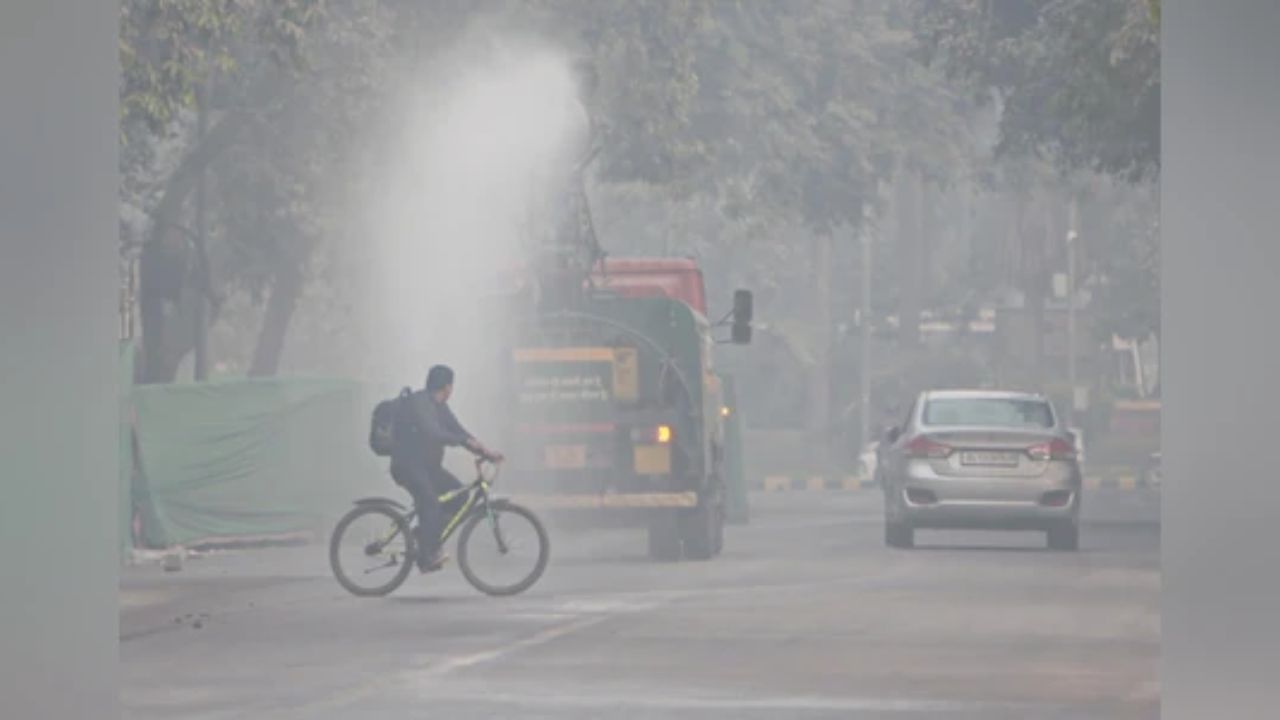
Centre gives air ultimatum to Delhi-NCR authorities
New Delhi: Union Environment Minister Bhupender Yadav has called on authorities in Delhi and the National Capital Region (NCR) to take strict measures to improve air quality, setting a one-week deadline for visible results. The directive comes as Delhi recorded a “very poor” Air Quality Index (AQI) of 376 on Friday, signalling worsening pollution levels.
Yadav chaired a high-level review meeting with municipal authorities of Delhi, Haryana, and Uttar Pradesh, urging sustained efforts until tangible improvements are observed. He stressed that while enforcement against defaulters is essential, public inconvenience should be minimized. A follow-up review has been scheduled in 15 days to assess progress.
The Centre has instructed authorities to ensure smooth traffic flow at 62 identified congestion hotspots and promote the use of EV and CNG buses in corporate and industrial sectors. Staggered office hours and commercial timings were recommended to reduce peak-hour traffic and vehicle emissions.
Additionally, Gurugram, Faridabad, Ghaziabad, and Noida have been directed to accelerate the implementation of the Integrated Smart Traffic Management System (ITMS). Coordination with Metro rail authorities has also been emphasized to enhance last-mile connectivity and reduce road traffic.
The Environment Ministry highlighted the removal of dust and construction debris, containment of biomass burning, and strict enforcement of construction bans during periods of high pollution. Authorities are expected to clear encroachments, ensure pothole-free roads through annual maintenance contracts, and maintain proper drainage to prevent waterlogging, which can exacerbate dust and pollution.
Delhi plans to install air purifiers in 10,000 classrooms amid rising pollution; Read more
Yadav urged coordinated grievance redressal under the supervision of the Commission for Air Quality Management (CAQM), alongside focused public awareness campaigns. The ministry noted that monthly review meetings would begin in January 2026 to monitor state-level action plans and address implementation challenges through interstate coordination at the highest level.
The Centre’s directives signal heightened urgency to curb pollution across the NCR, combining enforcement, urban planning, and public engagement to deliver measurable improvement in air quality within the coming week.

