English
 English

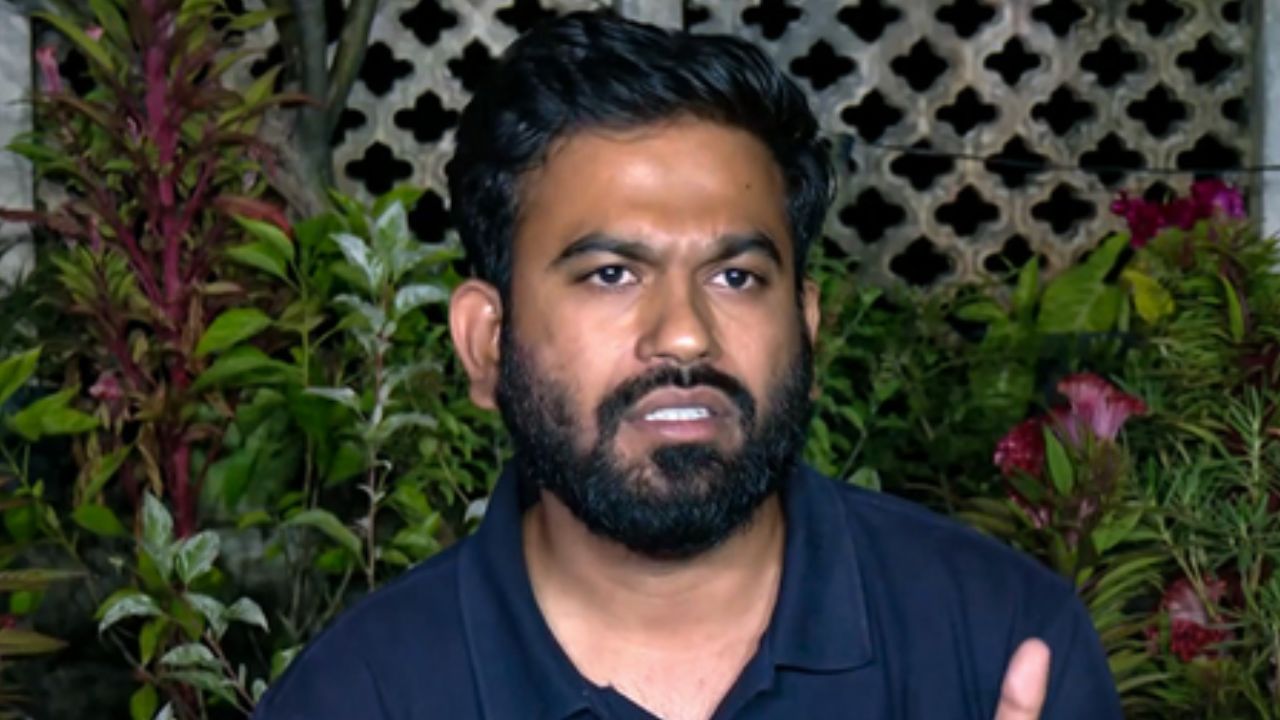
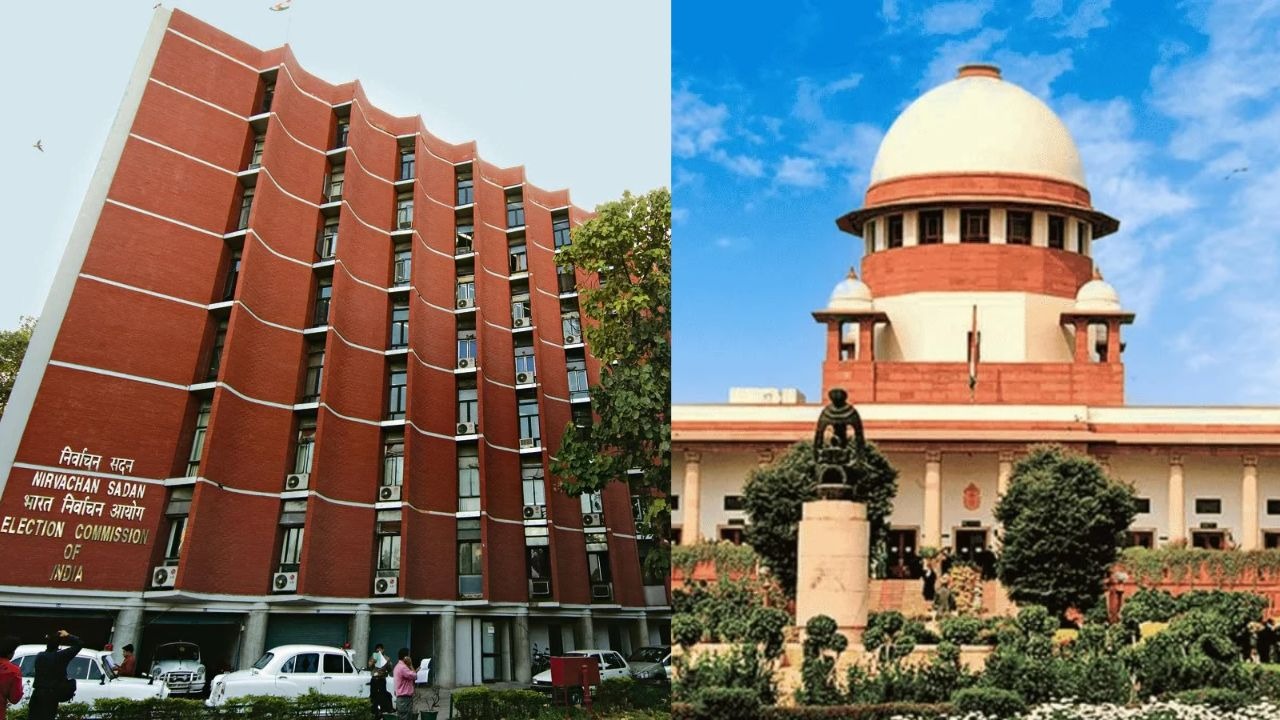
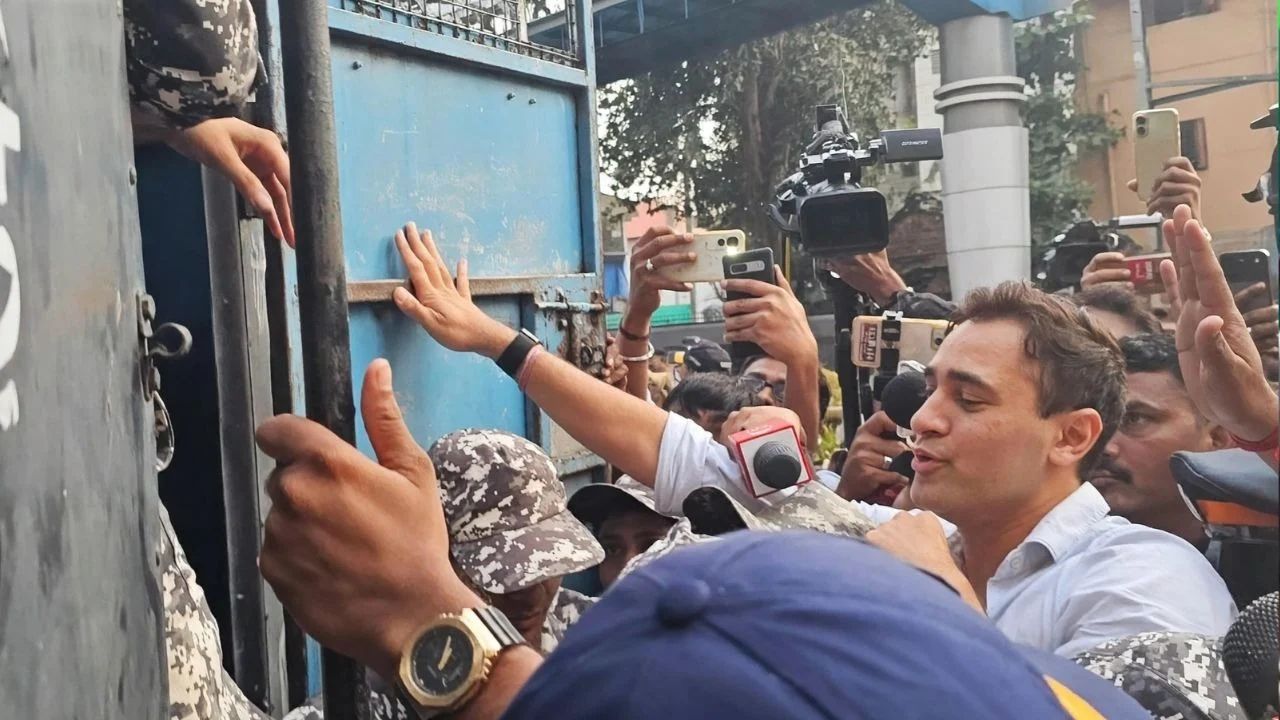
The Supreme Court has adjourned Athar Khan’s bail plea in the 2020 Delhi riots UAPA case for four weeks. (Img: X)
New Delhi: The Supreme Court on Friday adjourned for four weeks the hearing on Athar Khan’s bail plea in the case alleging a larger conspiracy behind the February 2020 Northeast Delhi riots, after the Delhi Police informed the Court that it had filed its reply to his appeal.
The Bench of Justice Aravind Kumar and Justice Vipul M. Pancholi permitted Khan to file a rejoinder to the police’s response. The matter will be taken up after four weeks. Khan has approached the Supreme Court challenging the Delhi High Court’s July 7 judgment refusing him bail under the Unlawful Activities (Prevention) Act. The Supreme Court had earlier issued notice to the Delhi Police on his appeal.
The Delhi High Court had upheld the trial court’s decision dated January 29 denying bail to Khan in the larger conspiracy case. While rejecting his plea, the High Court had observed that the material on record prima facie indicated that Khan was among the principal conspirators allegedly involved in the violence, rather than merely a local-level facilitator.
Khan’s counsel had argued that he had been in custody for nearly six years and described his alleged role as that of a local-level facilitator. The defence also relied on the grant of bail to other accused in the case, contending that Khan was similarly placed. The High Court, however, held that his alleged role was distinguishable from that of the co-accused who had received relief from the Supreme Court.
Khan, a former call-centre employee, is accused of being involved in organising a protest at Chand Bagh in Northeast Delhi and allegedly delivering speeches intended to incite violence.
According to the Delhi Police Special Cell, he allegedly participated in meetings connected with the conspiracy and was involved in efforts to coordinate the destruction of CCTV cameras. These allegations form part of the prosecution’s case and remain subject to adjudication.
The riots, which erupted in February 2020 amid protests over the Citizenship (Amendment) Act and the National Register of Citizens, claimed 53 lives and left more than 700 people injured.
In refusing bail, the High Court relied on the statutory restrictions under Section 43D(5) of the UAPA. It held that the material placed before it, including the statement of a protected witness, prima facie indicated Khan’s alleged involvement in acts of violence and destruction.
The Bench also distinguished his case from those of other accused whose bail pleas had been considered by the Supreme Court. The Apex Court’s proceedings will now continue after Khan files his rejoinder to the Delhi Police’s reply. The adjournment does not amount to a determination of the merits of his bail plea.